Care Built for Runners
Runners
Most providers tell you to stop running. We find a way to keep you going—while solving the problem that's been holding you back.

Mon/Wed: 10am–6pm
Tue/Thu: 7am–3pm
(later by appointment)
Lakewood Fri: 9am–12pm
Centennial Fri: 10am–2pm
(by appointment only)
Care Built for Runners
Most providers tell you to stop running. We find a way to keep you going—while solving the problem that's been holding you back.
If you’ve seen a provider for a running injury, there’s a good chance you were told to stop. Rest. Ice it. Come back in six weeks. And when you came back—after losing fitness, missing races, and sitting on the sideline—the problem returned as soon as training did.
That cycle is frustrating. And for most running injuries, it’s also unnecessary.
Most chiropractic care treats where it hurts. An adjustment, some soft tissue work, a sheet of generic stretches, and a follow-up in two weeks. It can help—but for runners dealing with recurring overuse injuries, it usually doesn’t get to the source. The pain comes from how you move, how your body absorbs load over thousands of steps, and where your training is outpacing your capacity to recover. Cracking a joint doesn’t solve any of that.
At Modern Movement Clinic, we work differently. Our approach is grounded in rehabilitation methodology and evidence-based sports care—the same movement science that drives high-level sports physical therapy. We look at the whole picture: your mechanics on video, your training load, your movement patterns, and what’s actually breaking down. Then we build a plan around keeping you active while we fix the problem—not around rest as a default.
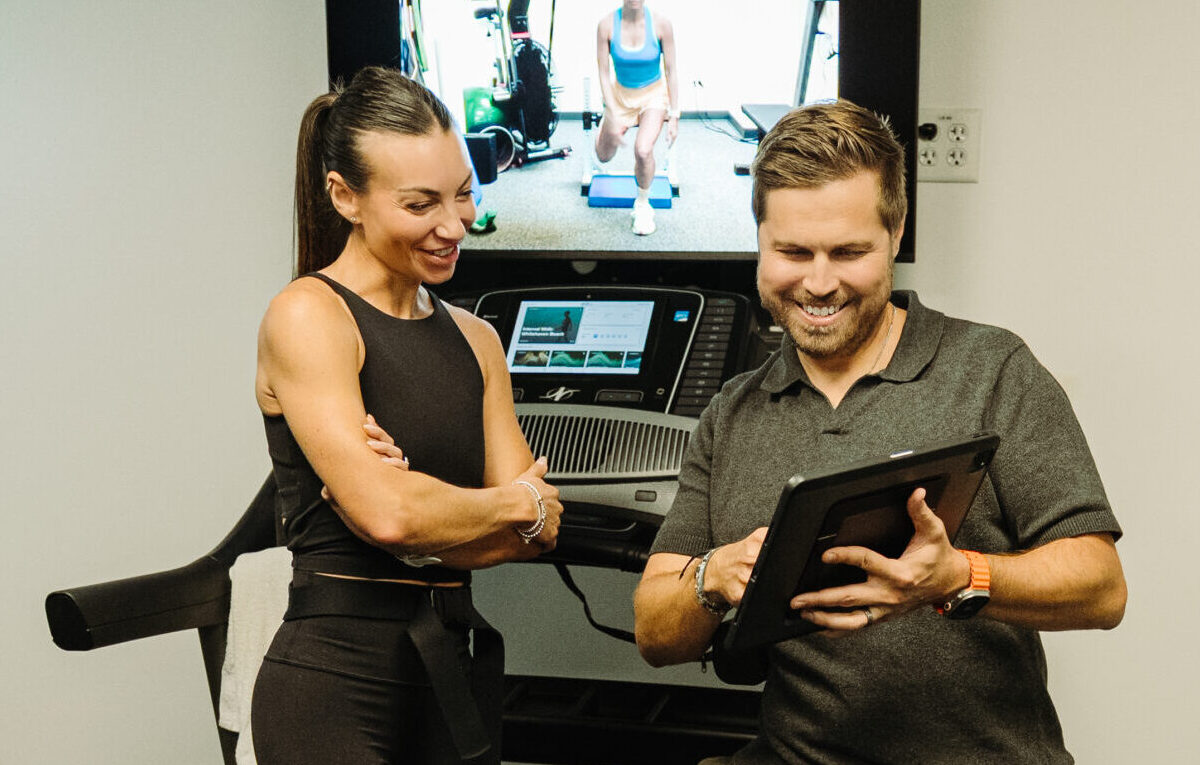
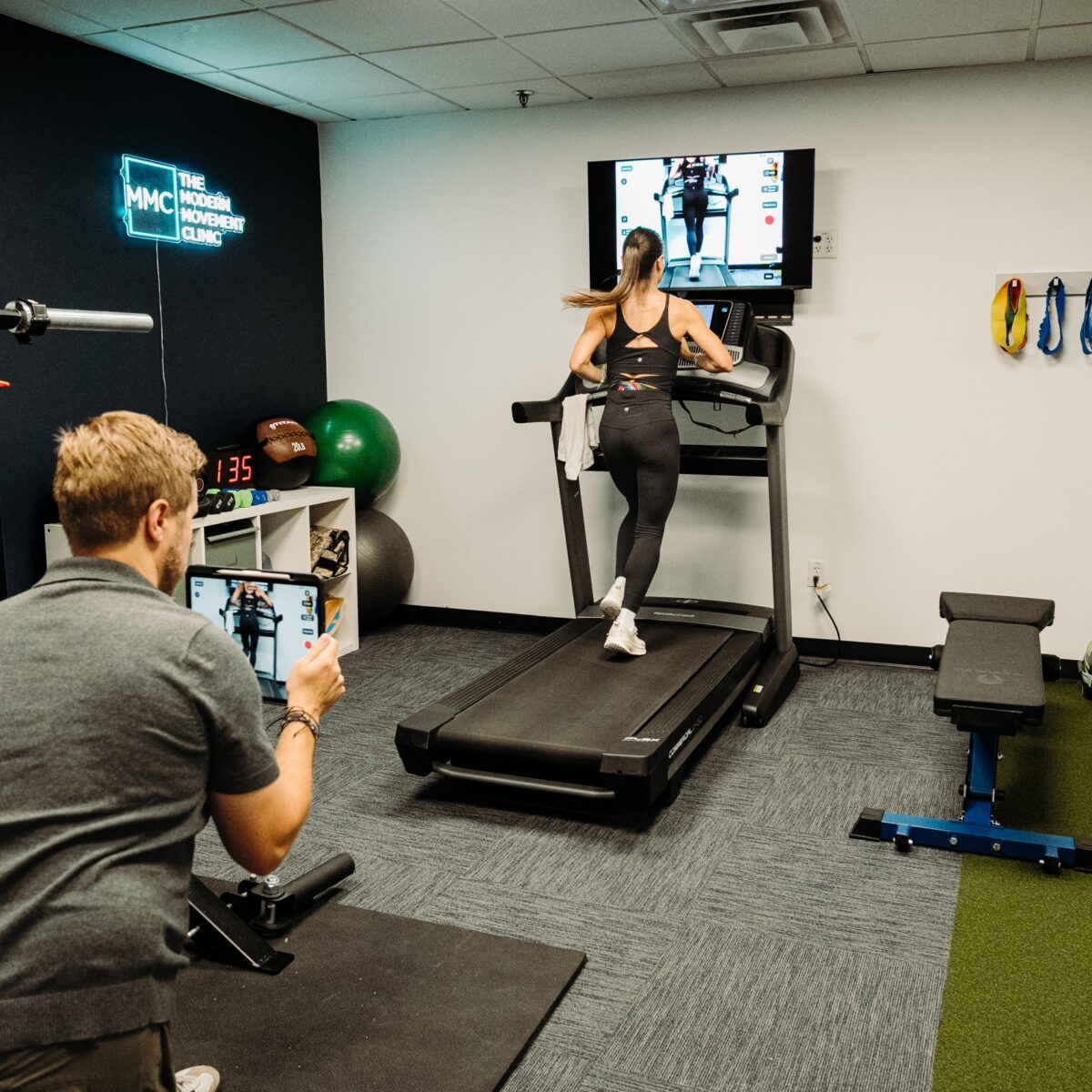
We use video-based movement and running analysis to slow things down and show you exactly what we’re seeing. Most runners have never watched themselves run. That visual feedback alone often makes the cause of a months-long problem immediately obvious. You stop guessing and start understanding—and that changes how invested you are in fixing it.
Runners at every level come here: beginners building their first base, competitive athletes training for ultras, and everyone in between who has been told the answer is to just do less.
This page is for runners who want care that takes their training seriously. If you’ve been given generic advice that hasn’t worked—or been told to stop running without a real explanation of why—you’ll find a different approach here.
Most running injuries don’t show up all at once. They build gradually—a tightness after a long run, a pain that appears at mile four, a problem that disappears with rest and comes right back when training ramps up. Runners tend to push through longer than they should, then seek care when it’s already become chronic. By that point, the standard advice—rest, stretch, ice—often isn’t enough. The underlying cause is still there.
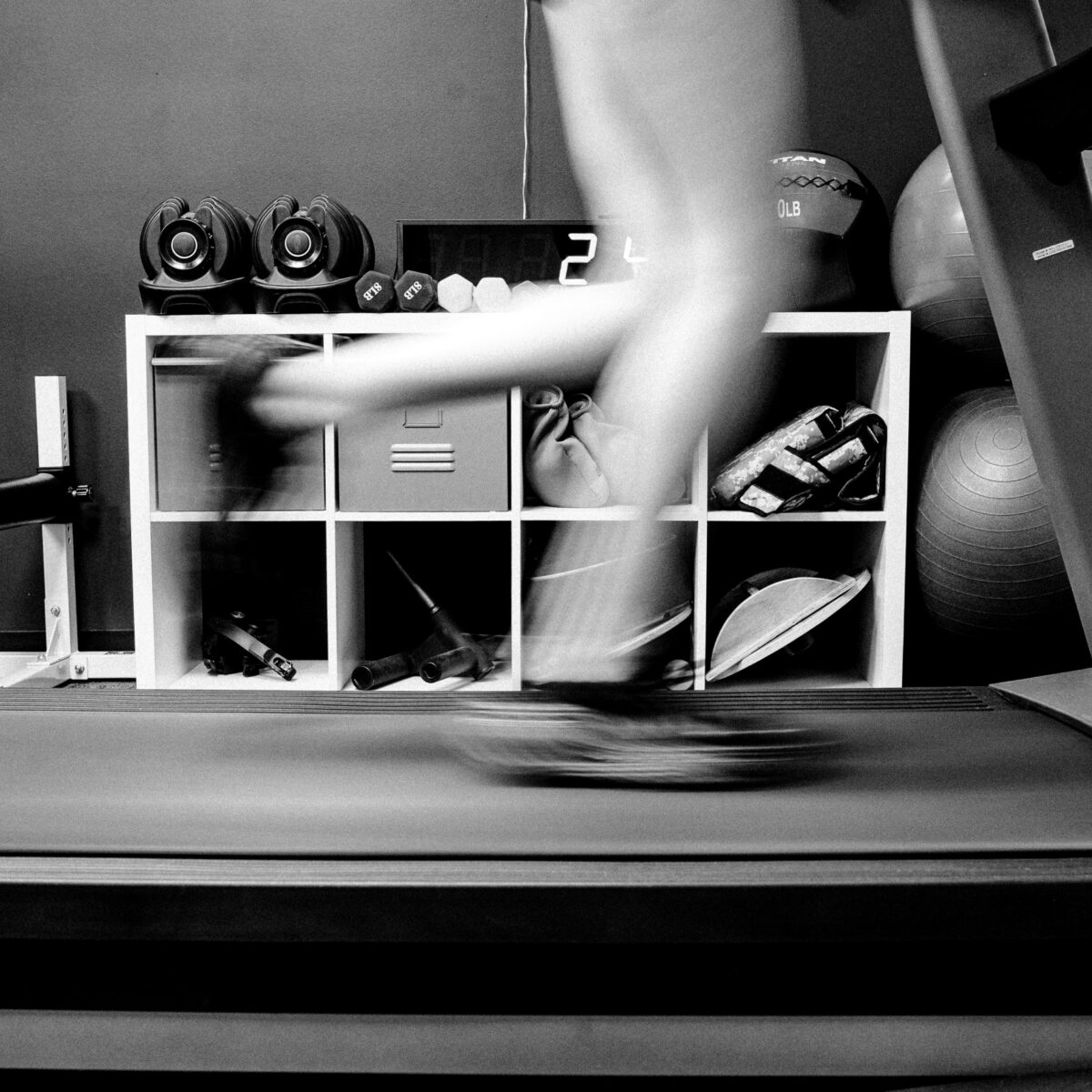
A lot of runners don’t know what to expect from their first visit. Here’s how it typically goes.
We listen first. Your history matters. We want to understand the injury, when it started, what’s made it better or worse, what you’ve already tried, and what your training looks like. That context shapes everything that comes next.
We assess how you move. Using video analysis, we capture your movement and running mechanics on screen. Slowing it down lets us identify patterns that aren’t visible in real time—and more importantly, lets us show you what we’re seeing. Most runners have never actually watched themselves run. The visual feedback alone often makes the cause of the problem immediately clear.
We build a plan around your goals. You leave your first visit with a clear picture of what’s going on and a concrete path forward—including how to keep training while you recover, when appropriate. No vague timelines. No “come back in six weeks and we’ll see.”

In most cases, no. Telling runners to stop entirely is often the default—but it’s rarely the best answer for overuse injuries. We look at what’s irritating the injury and adjust your training load accordingly, so your body can recover without going backwards in fitness. For most runners, some variation of training continues throughout the process. Complete rest is reserved for situations where it’s genuinely necessary.
We practice with a rehabilitation-first philosophy—grounded in the same movement science and evidence-based methodology used in sports physical therapy. That means the evaluation goes well beyond where it hurts. We look at how you run, how you move, and what’s driving the injury at a mechanical level. Manual therapy is part of the toolkit, but it’s not the whole plan. Strength work, load management, and movement correction are central to what we do. If you’ve had care that felt like a passive fix without lasting results, the approach here will feel noticeably different.
Not really. If you’ve been to a chiropractor before and left with an adjustment, a few minutes of soft tissue work, and a generic exercise handout—this will feel different. We don’t run patients through a standard protocol. Your first visit is a thorough evaluation: a detailed history, a movement screen, and video-based gait and movement analysis. We spend time looking at how you actually run and move, not just where it hurts. Treatment is built around what that evaluation reveals—manual therapy where it’s useful, targeted strength and mobility work, load management, and a plan that accounts for your training schedule and goals. The experience is closer to working with a sports rehab specialist than what most people picture when they think of a chiropractor.
Video-based movement and gait analysis lets us slow your motion down to a frame-by-frame level. We can see asymmetries in your stride, how your foot contacts the ground, how your hips and trunk respond to load, and where compensation patterns are developing. In real time, these things are nearly invisible—even to a trained eye. On screen, they become clear. We walk you through what we’re seeing so the connection between your mechanics and your pain makes sense to you, not just to us. Learn more about our running gait analysis and movement assessment process.
Yes—this is actually one of the most common scenarios we work with. Chronic and recurring running injuries usually persist because the root cause hasn’t been fully identified and addressed. A fresh evaluation with video analysis and a thorough movement screen often reveals something that earlier assessments missed. Long-standing problems are very much workable. They just usually require a more thorough approach than what most runners have tried.
Modern Movement Clinic is a cash-pay practice. We don’t bill insurance directly, but we provide a superbill you can submit to your insurer for potential reimbursement. We accept cash, credit and debit cards, HSA/FSA, and offer financing through Cherry. A running assessment (90 minutes) is $300. A general initial musculoskeletal visit (60 minutes) is $250. Questions about pricing are welcome before you book—reach us at hello@modernmovementclinic.com or 720-925-5950.
It depends on the injury, how long it’s been present, and how your body responds. Some runners notice meaningful change within the first few visits. Chronic issues or cases involving structural factors may take longer. What we can tell you is that after your initial evaluation, you’ll have a clear and honest picture of what to expect—and we track progress throughout so there’s never a question about where things stand.
No referral needed. You can reach out directly to schedule a consultation. If you’re unsure whether your issue is something we can help with, you’re welcome to call or email first—720-925-5950 or hello@modernmovementclinic.com. We’re happy to answer questions before you commit to anything.
Stop guessing and start getting answers. Schedule a consultation and let's build a plan around your running goals.