Training That Closes the Gap
Strength & Mobility Programming
Getting out of pain isn't the finish line. We build the strength and mobility to keep you there — and take on more.

Mon/Wed: 10am–6pm
Tue/Thu: 7am–3pm
(later by appointment)
Lakewood Fri: 9am–12pm
Centennial Fri: 10am–2pm
(by appointment only)
Training That Closes the Gap
Getting out of pain isn't the finish line. We build the strength and mobility to keep you there — and take on more.
Strength & Mobility Programming is a structured, progressive plan built around your body’s specific gaps — not a generic list of exercises handed out at the end of a visit.
Most injuries don’t happen because someone is simply “weak.” They happen because there’s a gap between what a joint or muscle group is being asked to do and what it can currently handle. That gap shows up as pain, as a nagging issue that won’t fully resolve, or as reinjury once you return to activity.
At Modern Movement Clinic, programming starts with a clear picture of where that gap exists, built from your movement assessment. From there, we design a plan that progressively builds strength, control, and mobility in the areas that need it most — while respecting where you are in your recovery.
This isn’t about grinding through generic circuits. It’s about closing the specific gap that got you here in the first place, so the same issue doesn’t keep coming back once you’re training at full capacity again.
Strength & Mobility Programming is built for anyone working to close a gap between where they are now and where their training or sport demands they be — whether that’s recovering from injury or building capacity to prevent one.
Programming starts with your movement assessment — identifying where strength, mobility, or control is limited relative to what your activity demands. From there, we build a progressive plan that targets those specific areas.
Sessions build in complexity and load over time, moving from foundational control to strength to more sport-specific or activity-specific demands. Progress is reassessed along the way, so the plan adjusts as your capacity improves rather than staying static.
The goal isn’t just to get you moving again — it’s to build enough capacity that your body can handle what you’re asking of it, whether that’s a training block, a race, or simply staying active without setbacks.
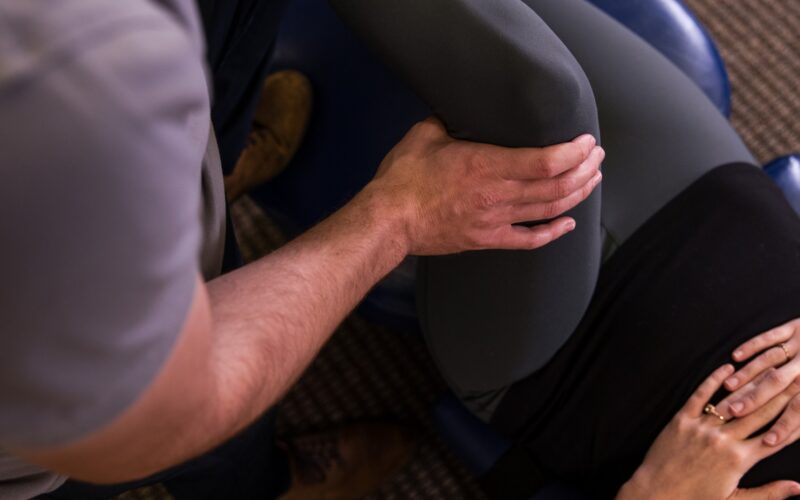
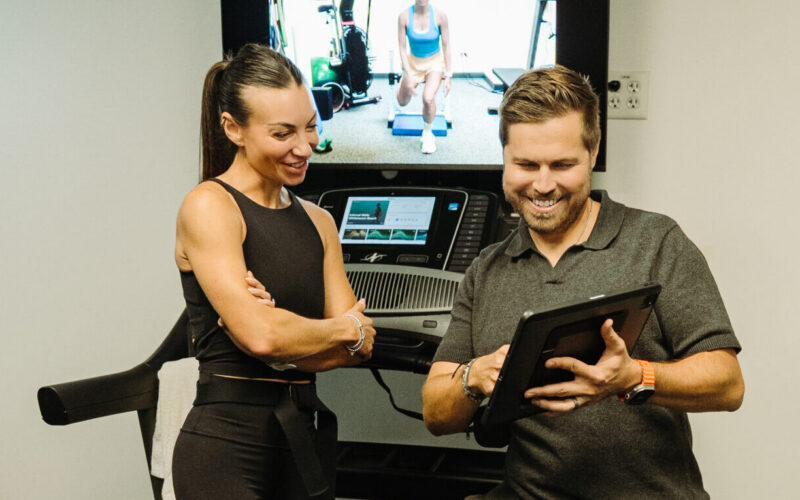
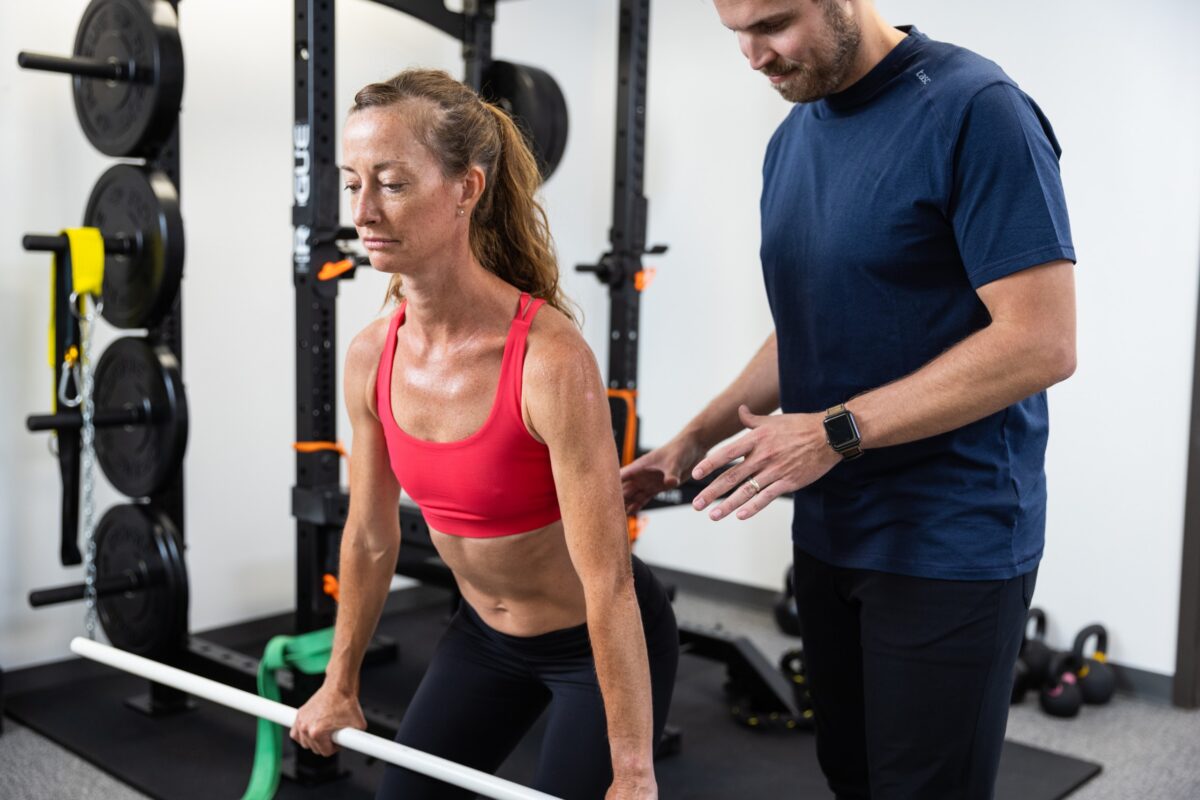
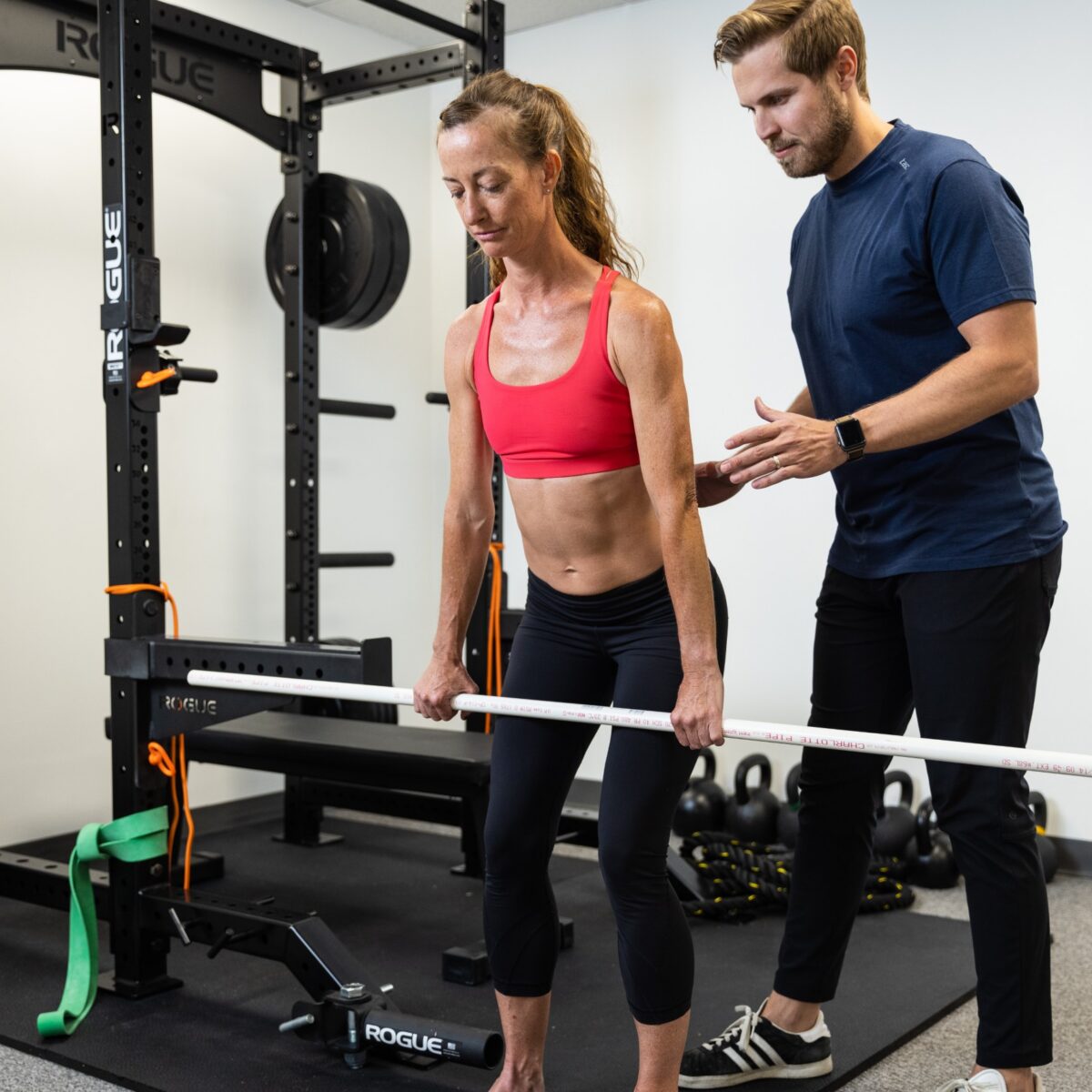
Sessions are hands-on and one-on-one, built around movement patterns specific to your goals. Expect a mix of guided exercises, coaching on form and control, and adjustments in real time based on how your body responds that day.
You’ll typically leave with a clear home program to reinforce what was covered in session. Some muscle fatigue or soreness is normal, similar to what you’d feel after any structured training session.
Programming is usually built around weekly or biweekly sessions, with progression reassessed every few weeks. Duration depends on your starting point and goals — some programs run several weeks, others continue longer term as part of ongoing performance work.
When Strength & Mobility Programming Helps
Who Strength & Mobility Programming Helps
It’s more individualized than a generic exercise sheet. Programming is built from your specific movement assessment and progresses based on how you respond, rather than following a fixed protocol handed to everyone with a similar complaint.
Programming is built around clinical findings from your movement assessment — identifying specific gaps related to injury or dysfunction — rather than general fitness goals. It’s designed to safely bridge the gap between rehab and full training.
No. Many people use programming proactively to build capacity and prevent injuries before they happen, especially heading into a demanding training block or season.
This varies by goals and starting point, but most programs are built around weekly or biweekly sessions with progress reassessed every few weeks.
Yes. Strength & Mobility Programming is often paired with treatments like dry needling, manual therapy, or shockwave therapy — addressing tissue-level issues while programming addresses the strength and movement gaps behind them.
Yes, most sessions include a home component to reinforce what’s covered and keep progress moving between visits.
Whether you're recovering or preventing, a plan built around your specific gaps moves you forward.