Conditions We Treat
Youth Sports Injuries
Growing bodies and growing ambitions don't always move at the same speed. We help sort out which one's actually causing the pain.


Mon/Wed: 10am–6pm
Tue/Thu: 7am–3pm
(later by appointment)
Lakewood Fri: 9am–12pm
Centennial Fri: 10am–2pm
(by appointment only)
Conditions We Treat
Growing bodies and growing ambitions don't always move at the same speed. We help sort out which one's actually causing the pain.
“Growing pains” is doing a lot of heavy lifting as an explanation. Sometimes that’s exactly what it is. Sometimes it’s overuse in a young athlete playing one sport year-round, or a growth plate that’s irritated rather than just achy — and it’s worth knowing which.
Conditions like Osgood-Schlatter disease, Sever’s disease, and growth plate irritation are unique to younger athletes and require a different approach than adult sports injuries. At the same time, many young athletes also experience the same overuse injuries seen in adults — like throwing-related shoulder pain or running-related knee pain — just at an earlier stage of physical development.
At Modern Movement Clinic, we evaluate youth sports injuries with this developmental context in mind, so young athletes get an accurate explanation of what’s going on and a plan that respects where they are in their growth and their season.
Youth sports injuries can show up differently than similar injuries in adults. These are some of the most common patterns we see.
Youth sports injuries often develop from a combination of rapid growth, repetitive single-sport training, and limited recovery time between seasons. Understanding which of these factors applies to your athlete helps shape a safe, effective plan.
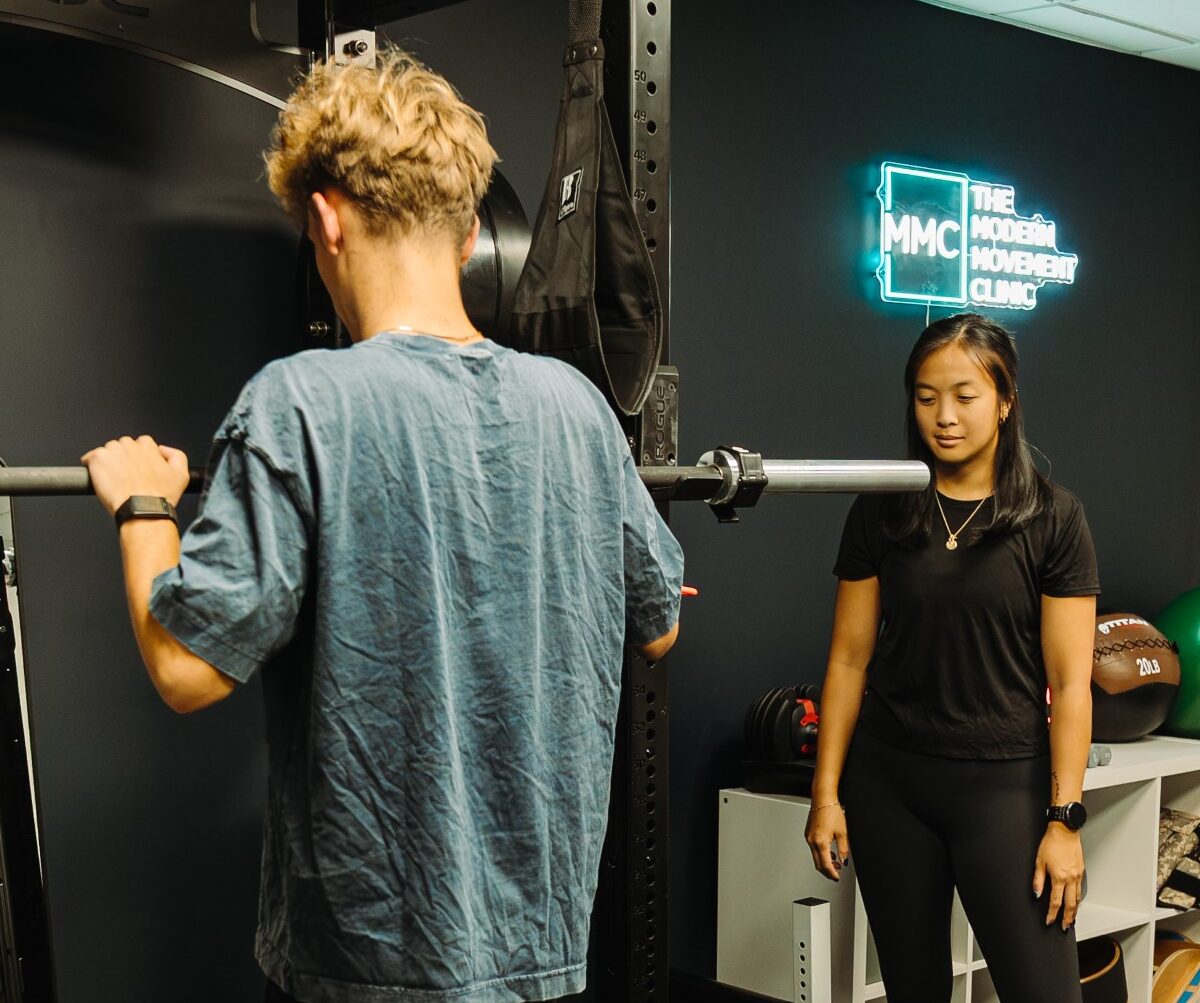
Evaluation starts with understanding your athlete’s sport, training schedule, and symptoms, along with a movement and strength assessment appropriate for their stage of development. We take extra care to explain findings in a way that makes sense for both the athlete and parents.
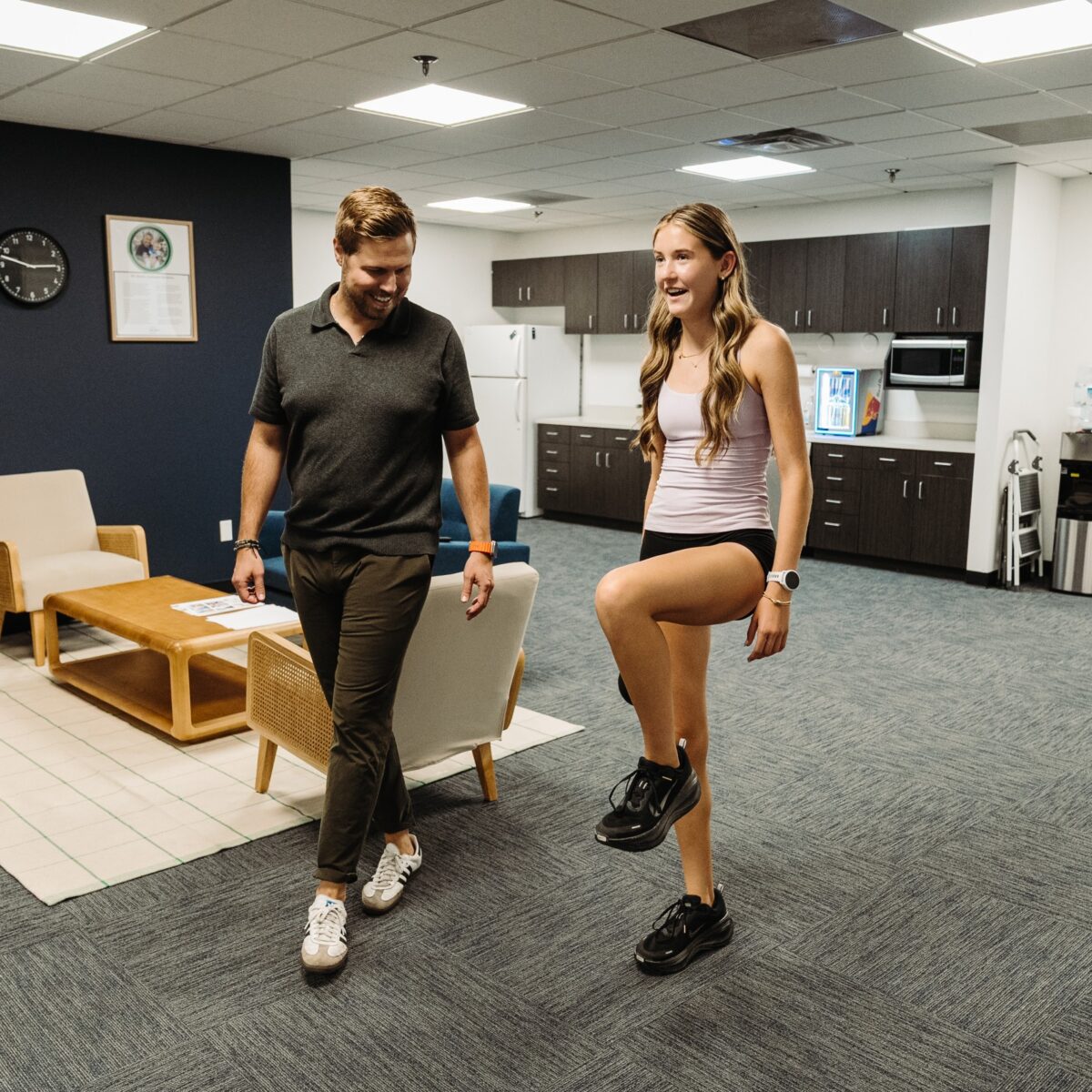
Depending on the sport and complaint, this may include movement pattern analysis specific to their activity, along with a discussion of how training load and schedule may be contributing to the issue. The goal is a clear, honest picture of what’s going on and a realistic plan for managing it.
It’s a common and usually manageable condition related to growth in young athletes, not typically a serious long-term issue. That said, it’s worth having evaluated so you understand how to manage activity and support recovery during this stage of growth.
Not necessarily. Many youth sports injuries can be managed with activity modification rather than a full stop. We’ll help you understand what level of activity is appropriate based on the specific injury.
It’s common — coaches and teammates practically expect it. That doesn’t mean it should go unevaluated, especially if it’s affecting how your athlete moves or performs.
Young athletes are still growing, which affects how certain injuries develop and how they should be managed. We take that developmental context into account rather than applying an adult protocol to a younger athlete.
Yes, when it’s helpful for your athlete’s care. We’re glad to coordinate with other providers involved to make sure everyone is working from the same plan.
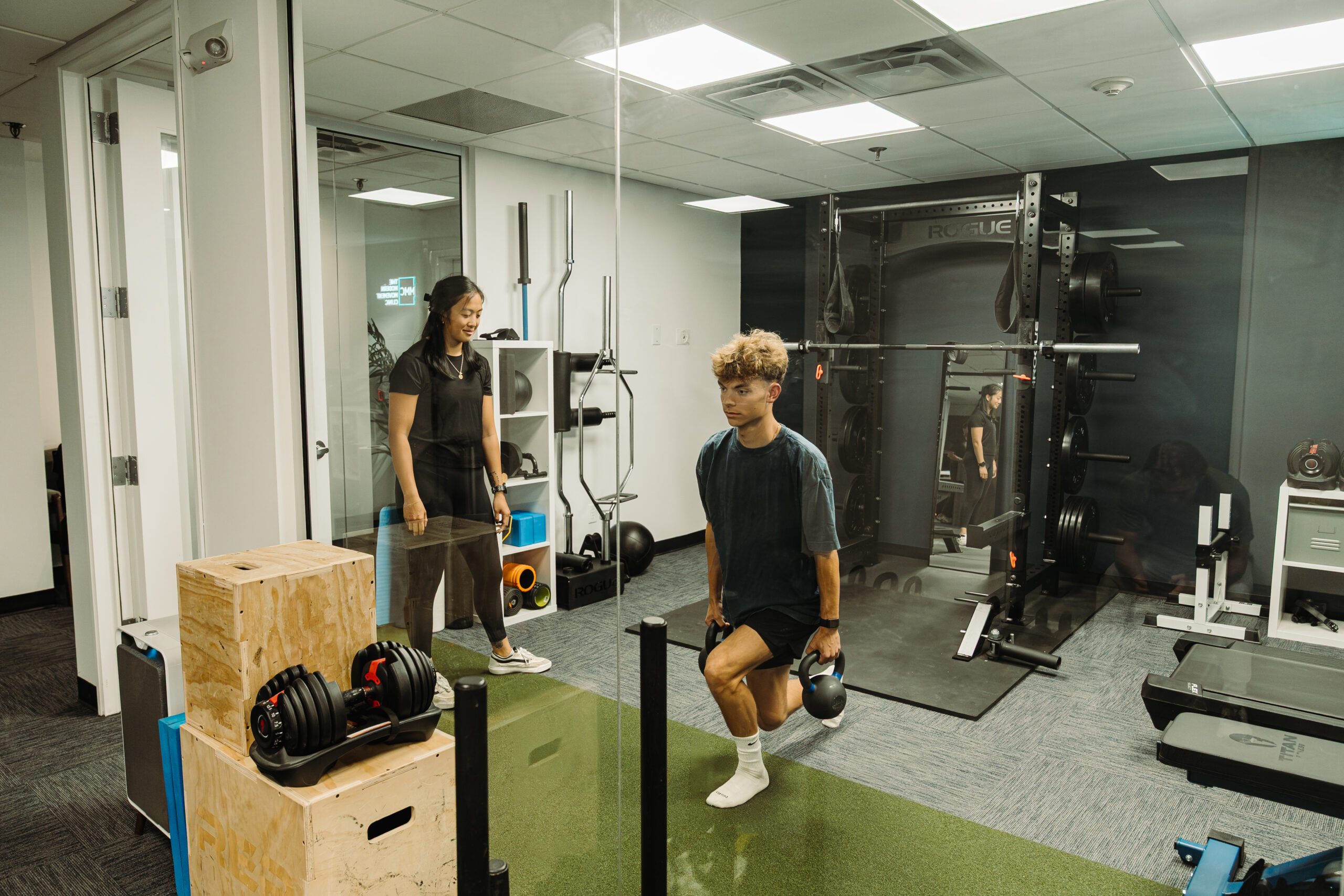
A clear evaluation beats another week of "just rest it."