Issues We Treat
Running Injuries
Most running injuries aren't bad luck. They're the result of a gap between what your body can handle and what you're asking of it—and that gap can be closed.

Mon/Wed: 10am–6pm
Tue/Thu: 7am–3pm
(later by appointment)
Lakewood Fri: 9am–12pm
Centennial Fri: 10am–2pm
(by appointment only)
Issues We Treat
Most running injuries aren't bad luck. They're the result of a gap between what your body can handle and what you're asking of it—and that gap can be closed.
Running injuries are almost always overuse injuries. Unlike a sprained ankle or a torn ligament, they don’t happen in a single moment. They develop gradually — a tightness that appears at mile five, a soreness that takes longer to warm up each week, a pain that disappears with rest and returns the moment training resumes.
That pattern is the most important thing to understand about running injuries: they are your body telling you that something in the system isn’t working. The load you’re putting through a tissue — a tendon, a bone, a joint — is exceeding its ability to recover between sessions. Over time, that gap accumulates into an injury.
The good news is that most running injuries are highly treatable when the underlying cause is identified. Rest alone rarely solves them, because rest doesn’t change the mechanics, training habits, or strength deficits that created the problem in the first place. That’s why the same injury keeps coming back.
At Modern Movement Clinic, we evaluate running injuries by looking at the whole picture — how you move, how your body is loaded, and what in your training or mechanics is driving the breakdown. Understanding why the injury happened is what makes it possible to fix it and reduce the chance it comes back.
Running injuries present differently depending on the tissue involved and how long the problem has been developing. Some show up as sharp, localized pain. Others are a dull ache that builds gradually through a run. Most share a few patterns worth recognizing.
Most running injuries don’t come from a single mistake. They develop at the intersection of training load, movement patterns, and individual capacity. Understanding the contributing factors is the first step toward addressing the right ones.

The conditions below are the most common running injuries we see. Most involve tendons, bones, or joints subjected to repetitive load over time. Each has a distinct presentation — but all of them respond well to care that addresses the underlying cause rather than just the symptom.
Pain around or behind the kneecap that typically worsens with running, stairs, or prolonged sitting. Patellofemoral pain is one of the most common running complaints and is usually related to how load is distributed through the knee — often driven by hip strength, foot mechanics, or running form rather than a problem in the knee itself.
Pain along the outside of the knee or lower thigh that often appears at a consistent point during a run — commonly around the 20–30 minute mark — and may force you to stop. IT band syndrome is a compression issue, not a tightness issue, despite what most runners have been told. Foam rolling the IT band addresses the symptom but not the cause. We focus on the mechanics and hip strength patterns driving the compression.
Shin pain is common but not a single condition — and the distinction matters for how it’s treated.
Medial shin splints (medial tibial stress syndrome) involve pain along the inner border of the tibia, typically from the tibialis posterior and surrounding tissues being overloaded. This is the most common type and is heavily influenced by foot mechanics, training load, and running surface.
Lateral shin splints involve pain along the outer shin, often related to the tibialis anterior or peroneal muscles working harder than they should — frequently seen in runners who have recently changed footwear, increased pace, or added hill work.
Both types respond well to load management and targeted strength work, but the treatment approach differs. Correctly identifying which type you have is the starting point.
Pain, stiffness, or thickening along the Achilles tendon — most often felt first thing in the morning or at the start of a run, improving as you warm up and returning after. Achilles tendinopathy is a load management problem. The tendon is being asked to absorb more stress than it can currently handle. Stretching and rest alone rarely resolve it. Progressive loading — done correctly — is the most effective treatment, and most runners can continue training in some form throughout the process.
Pain on the bottom of the heel or arch — classically worst with the first steps in the morning or after sitting for a long period. Plantar fasciitis is often framed as an inflammation problem, but it’s more accurately a load and tissue tolerance issue. It responds well to the same progressive loading approach used for tendinopathy, combined with an assessment of foot mechanics and running load.
Bone stress injuries exist on a spectrum — from early stress reactions where the bone is responding to load but hasn’t fractured, to complete stress fractures requiring strict activity modification. Location and grade determine how serious the injury is and how long recovery takes.
Lower-risk sites like the fibula or metatarsals typically allow for more activity during recovery. Higher-risk sites — the femoral neck, navicular, and anterior tibia — require a more conservative, closely managed approach and always involve collaboration with an orthopedic or sports medicine physician.
If a stress fracture is confirmed or suspected, we work alongside your orthopedist or sports medicine doctor — not instead of them. Our role is to help you understand the path back to running, manage what’s possible during recovery, and address the mechanical and training factors that contributed to the injury so it doesn’t happen again.
No two running injuries are exactly alike — even when they carry the same name. Two runners with IT band syndrome may have completely different underlying causes. That’s why the evaluation matters as much as the treatment.
We start with a thorough history: when the injury appeared, how it’s behaved since, what you’ve already tried, and what your training looks like. That context shapes everything that comes next.
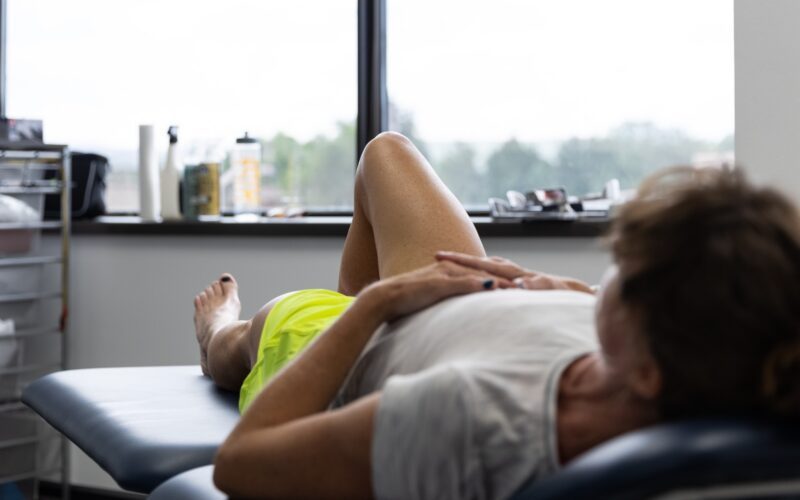
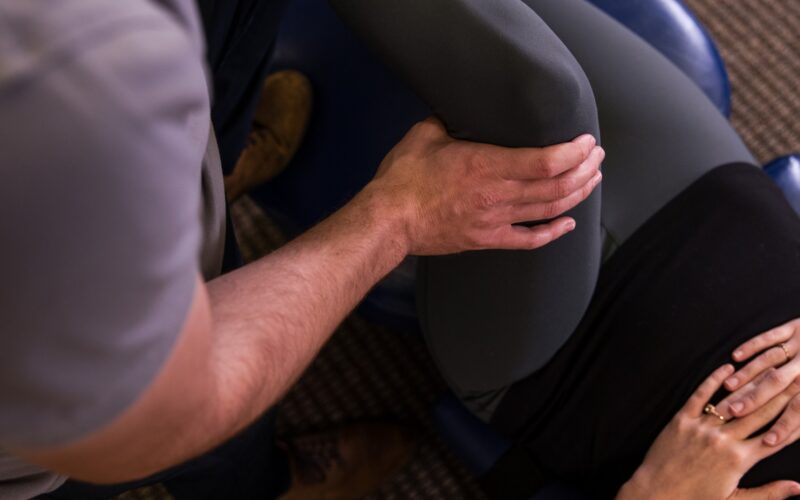
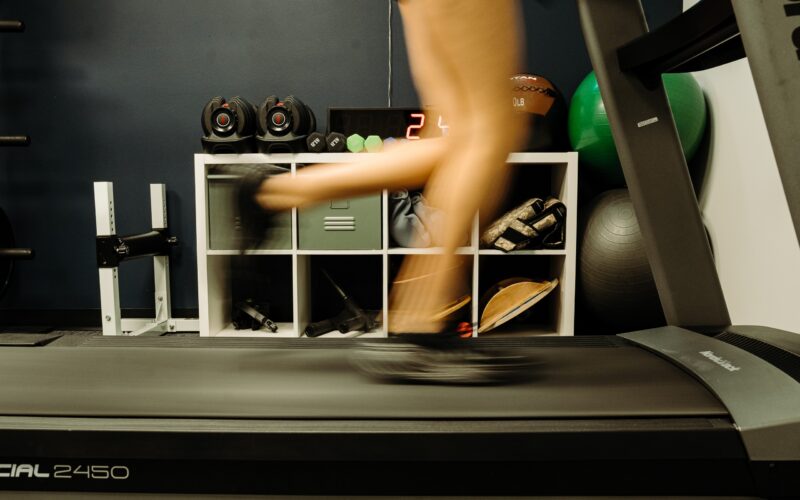
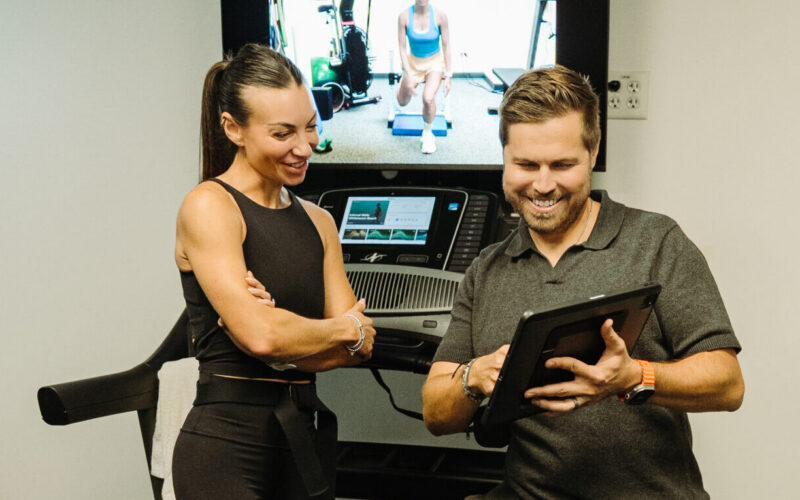
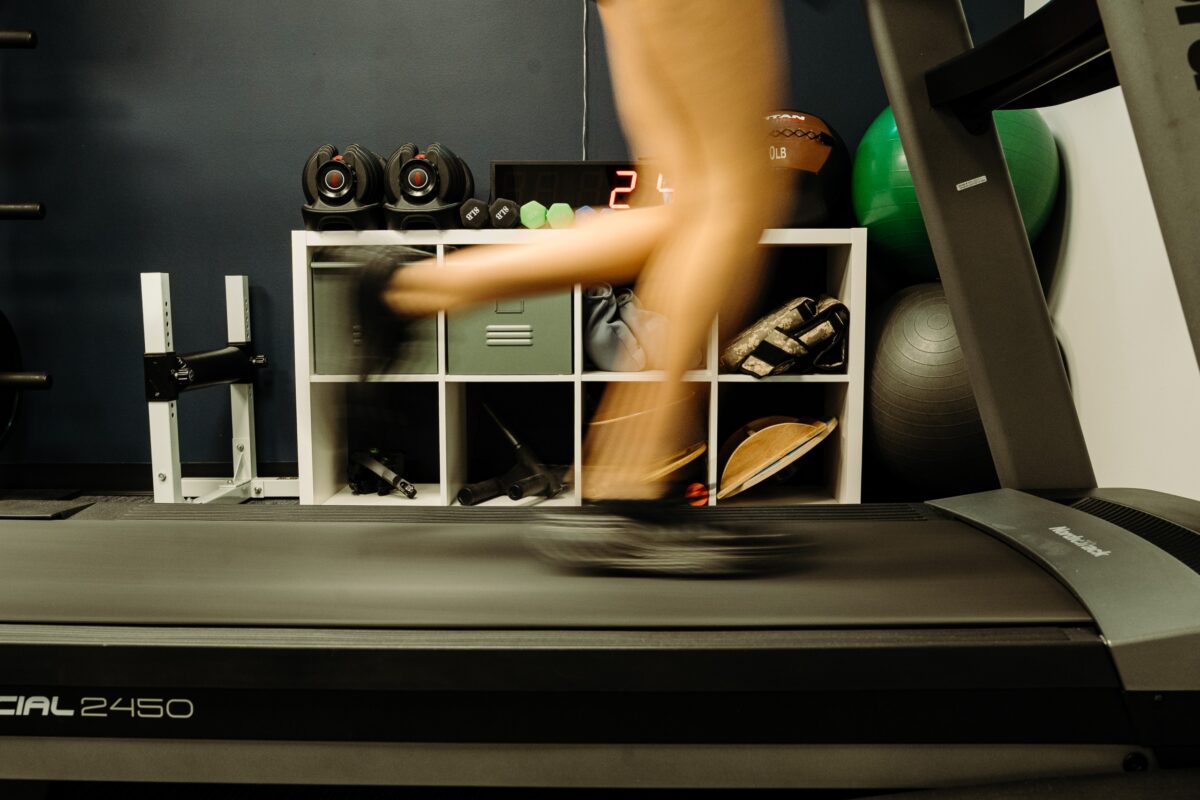
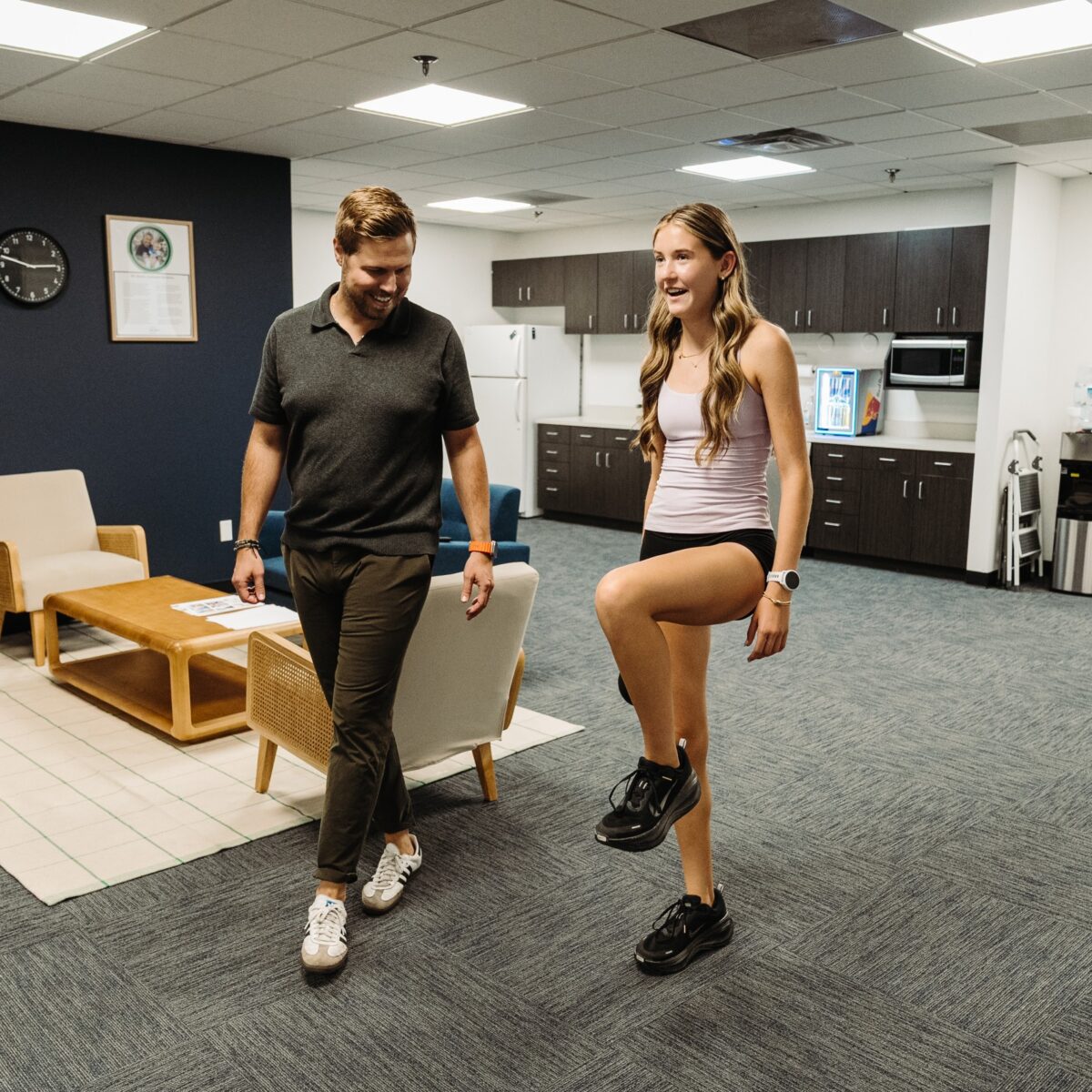
From there, we move through a movement screen and physical assessment — testing strength, mobility, joint mechanics, and movement quality to identify where the system is breaking down. If you’re able to run on the day of your visit, we use video-based gait analysis to capture your running mechanics in real time and slow them down on screen. Most runners have never watched themselves run. That visual feedback often makes the connection between mechanics and injury immediately clear.
If running that day isn’t appropriate — because of pain, acute irritation, or the nature of the injury — we can get a strong picture of your movement patterns through the screen alone. Running mechanics and movement quality are closely related, and a thorough assessment gives us what we need to build an accurate picture even without seeing you run that day.
Evaluation Components
For most running injuries, no — and we’d prefer you didn’t. Complete rest rarely solves an overuse injury because it doesn’t address what caused it. In most cases, we adjust your training load and find a version of running or activity that keeps you moving while the tissue recovers. The goal is to reduce the stress on the injured area without pulling you off the road any longer than necessary. There are exceptions — bone stress injuries in particular require specific activity guidelines — but they are the exception, not the rule.
Yes — and recurring injuries are one of the most common patterns we see. When the same problem keeps returning, it almost always means the underlying cause hasn’t been addressed. Rest removes the pain temporarily, but the mechanics, strength deficit, or training pattern that created the problem is still there when training resumes. A thorough evaluation — including movement screening and gait analysis — usually reveals what’s been missed. Fixing a recurring injury requires understanding the full picture, not just treating the painful spot.
We can get a strong read on what’s happening through a movement screen and physical assessment even without seeing you run. Running mechanics and general movement quality are closely connected — how you squat, hinge, and control single-leg stability tells us a great deal about what’s likely happening when you run. If you’re able to run at a follow-up visit, we’ll add video gait analysis at that point. Either way, you leave the first visit with a clear picture of what’s driving the injury.
If you’re experiencing localized bone pain — pain that’s sharp, point-tender, and doesn’t follow the typical pattern of a muscle or tendon injury — it’s worth getting imaging to rule out a stress fracture before continuing to train. We’ll help you navigate that process. If a stress fracture is confirmed, we work alongside your orthopedic or sports medicine physician to manage recovery and plan your return to running. Our role is to help you understand where you are, what the path forward looks like, and what you can work on in the meantime — so you come back stronger and with a better understanding of what contributed to the injury.
It matters quite a bit for how the injury is treated. Medial shin splints — pain along the inner border of the shin — typically involve the tibialis posterior and are closely connected to foot mechanics and training load. Lateral shin splints — pain along the outer shin — tend to involve the peroneal or tibialis anterior muscles and are often triggered by changes in footwear, surface, or pace. Both respond well to treatment, but the approach is different. Treating one like the other is a common reason shin pain lingers longer than it should. Part of the evaluation is correctly identifying which type you have.
For most running injuries — tendinopathies, muscle strains, IT band issues, patellofemoral pain — cross-training is not only safe but encouraged. Staying active supports recovery and maintains the fitness you’ve built. For bone stress injuries, the answer depends on the location, grade, and whether you can bear weight comfortably. We’ll help you identify what’s appropriate for your specific situation rather than applying a blanket rule.
Yes — and we welcome it. For bone stress injuries in particular, collaboration with your orthopedic or sports medicine physician is standard in how we work. But even for other running injuries, if you’re already working with a sports doc or have imaging from a recent visit, that context is useful and we’re happy to coordinate. You shouldn’t have to choose between providers — good care for a runner often involves more than one set of eyes.
Modern Movement Clinic is a cash-pay practice. We don’t bill insurance directly, but we provide a superbill you can submit to your insurer for potential reimbursement through your out-of-network benefits. We accept cash, credit and debit cards, and HSA/FSA. Questions about pricing are always welcome before you book — reach us at hello@modernmovementclinic.com or 720-925-5950.
Yes — and for most runners dealing with an injury, a package is the more effective and more economical path than single visits.
That’s what our membership plans are for. Memberships are built around maintenance and performance rather than injury — keeping you consistent, monitored, and ahead of the problems that sideline runners.
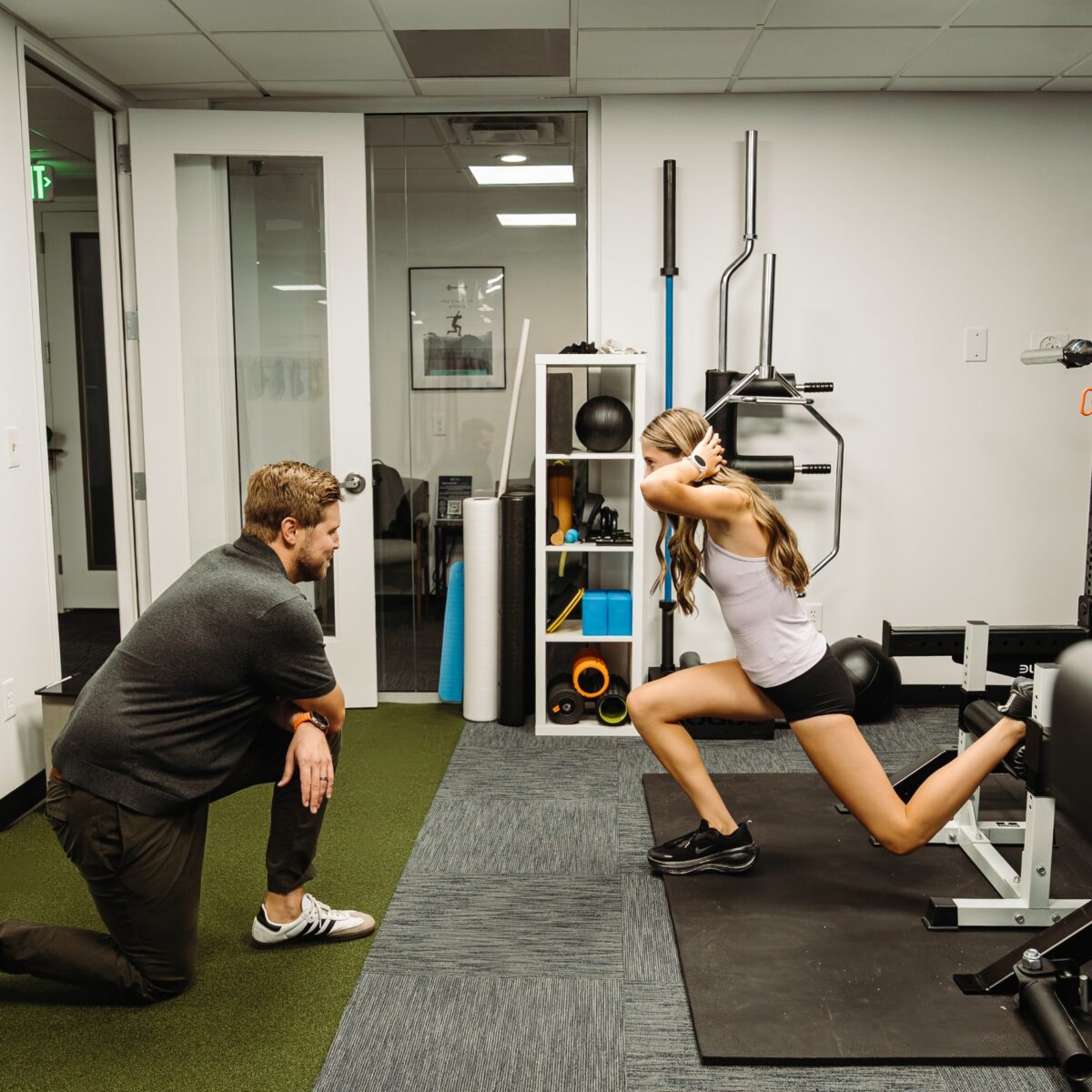
Stop guessing and start fixing it. Schedule a consultation and find out exactly what's driving your injury—and what it will take to resolve it.