Stay Ahead of Injury
Injury Prevention & Performance Optimization
The best time to address an injury risk is before it becomes an injury. We help you build the capacity to train harder, safer, and longer.

Mon/Wed: 10am–6pm
Tue/Thu: 7am–3pm
(later by appointment)
Lakewood Fri: 9am–12pm
Centennial Fri: 10am–2pm
(by appointment only)
Stay Ahead of Injury
The best time to address an injury risk is before it becomes an injury. We help you build the capacity to train harder, safer, and longer.
Injury Prevention & Performance Optimization is a proactive approach to training that identifies movement inefficiencies, strength imbalances, or load management issues before they turn into an injury.
Most people only come in after something already hurts. But many injuries are preceded by warning signs — a strength imbalance, a mobility restriction, or a training load that’s increased faster than the body can adapt — that show up well before pain does.
At Modern Movement Clinic, this service is built around identifying those warning signs early, then building a targeted plan to address them. For some, that means reducing injury risk heading into a demanding season or event. For others, it’s about breaking through a performance plateau by addressing an underlying limitation.
Either way, the goal is the same: help your body handle more, safely, before an issue forces you to slow down.
This service is a strong option if you want to train harder or more consistently without increasing your injury risk, or if you’ve noticed a recurring tightness or limitation that hasn’t yet turned into a full injury.
Ideal Candidates
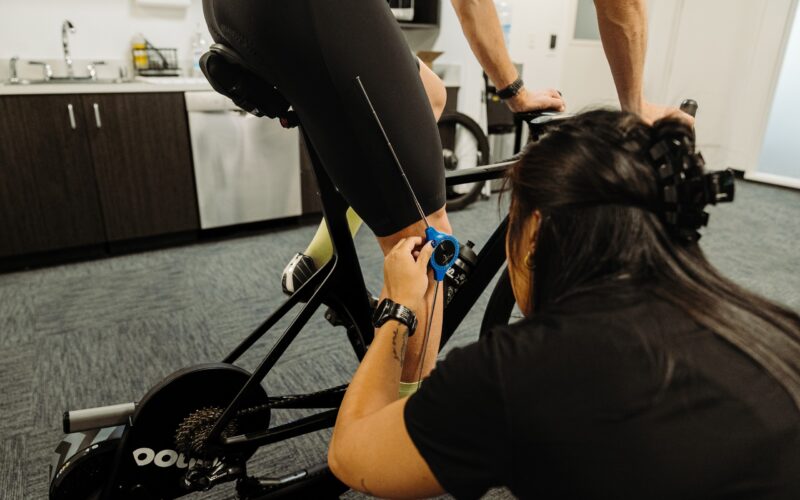
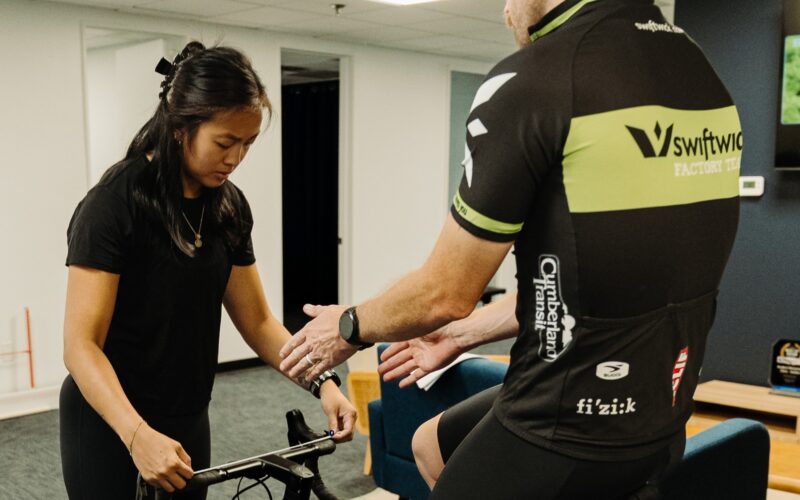
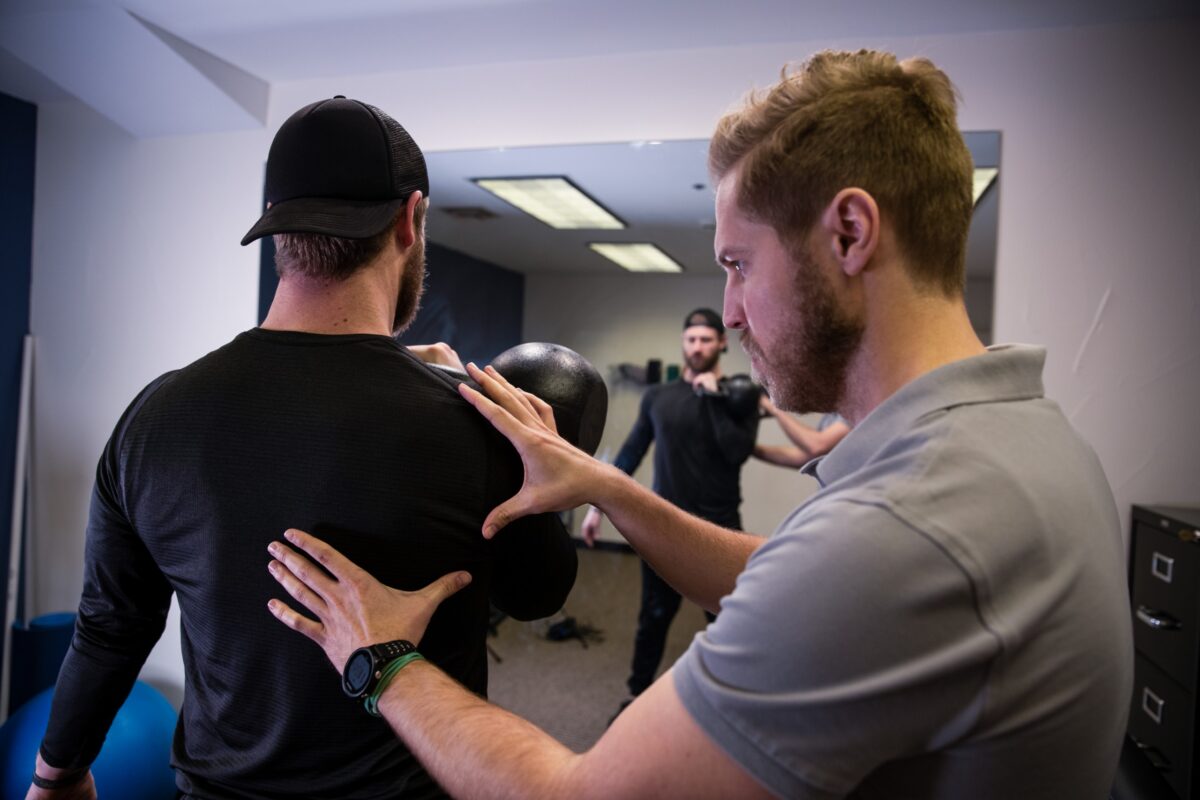
We start with a movement and strength assessment to identify inefficiencies, imbalances, or limitations relevant to your sport or activity — even in the absence of current pain.
From there, we build a targeted plan addressing the specific areas identified, combined with guidance on managing training load as your capacity improves. Progress is reassessed periodically so the plan evolves alongside your training.
This is proactive work, not reactive treatment — the goal is closing gaps before they become injuries, and building capacity before a plateau forces a change.
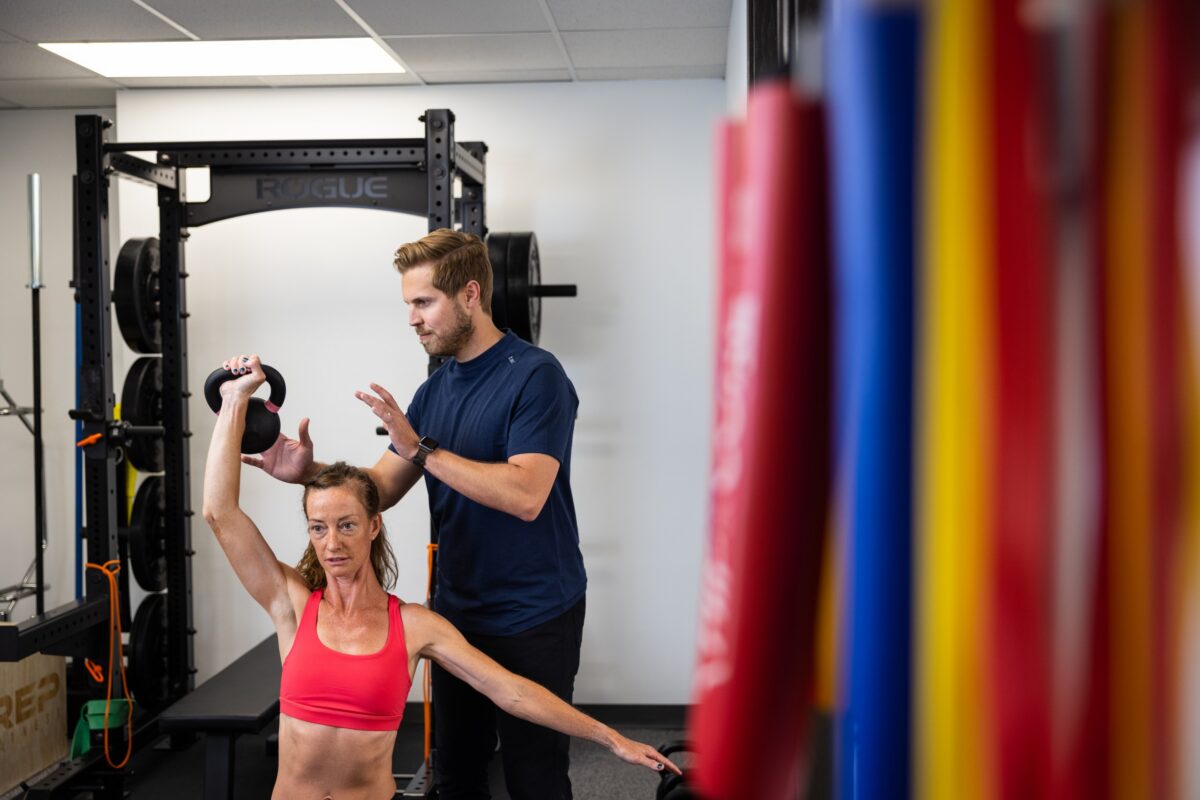

Sessions are similar to a strength and movement assessment, followed by programming sessions focused on the specific gaps identified. Expect guided exercises and coaching on movement quality throughout.
Some fatigue after sessions is normal, similar to structured training. Because this work is proactive, you likely won’t feel dramatic changes right away — progress builds gradually.
Plans are typically built around ongoing weekly or biweekly sessions, with reassessment every few weeks to track progress and adjust as your capacity improves.
When Injury Prevention & Performance Optimization Helps
Who Injury Prevention & Performance Optimization Helps
No — this is meant to be proactive. Many people use it specifically because they don’t have a current injury but want to reduce their risk heading into a demanding season or training block.
There’s overlap between the two. This service places extra emphasis on early identification of injury risk factors and training load management, while Strength & Mobility Programming is often used alongside active recovery from a specific issue.
Both. Addressing strength imbalances and movement inefficiencies often improves performance at the same time it reduces injury risk — the two tend to go together.
Most plans are built around weekly or biweekly sessions, with reassessment every few weeks, but this can be adjusted based on your goals and schedule.

A proactive plan reduces injury risk and helps you train harder and longer, safely.