Advanced Treatment for Stubborn Injuries
Shockwave Therapy
Chronic pain usually isn't a strength problem — it's a healing problem. Shockwave therapy helps restart that process so you can keep training.
Mon/Wed: 10am–6pm
Tue/Thu: 7am–3pm
(later by appointment)
Lakewood Fri: 9am–12pm
Centennial Fri: 10am–2pm
(by appointment only)
Advanced Treatment for Stubborn Injuries
Chronic pain usually isn't a strength problem — it's a healing problem. Shockwave therapy helps restart that process so you can keep training.
Shockwave therapy is a non-invasive treatment that uses targeted acoustic waves to stimulate healing in injured tissue.
It’s most effective for chronic tendon and soft-tissue conditions that haven’t responded to rest, stretching, or general rehab — the kind of nagging issue that lingers for months instead of weeks.
Rather than masking pain, shockwave therapy creates a biological response in the tissue: it improves local circulation, breaks down degenerated tissue, and helps restart your body’s own healing process in an area that’s stalled out.
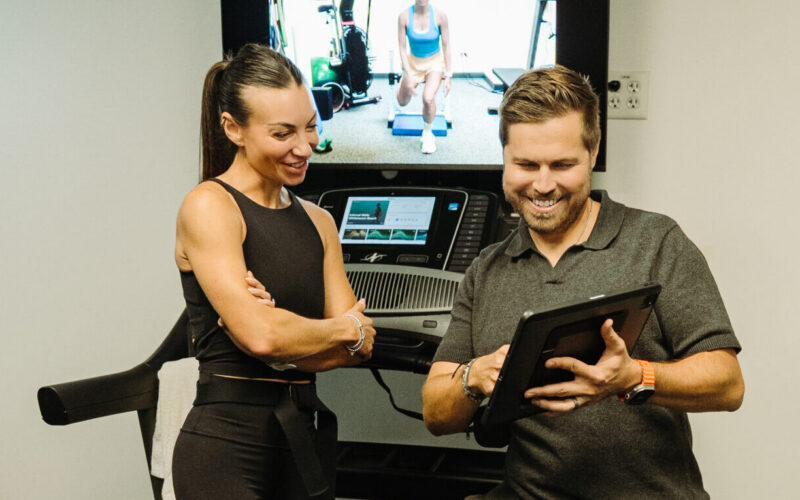
This isn’t a standalone fix. At Modern Movement Clinic, shockwave therapy is combined with movement assessment, strength work, and load management so the tissue actually adapts and holds up once you’re back to full training — not just quiet for a few weeks before the same pain returns.
Our approach is grounded in the same movement science used in sports physical therapy: understanding why the tissue broke down in the first place, not just treating the spot where it hurts.
Shockwave therapy is a strong option if you’ve been dealing with the same tendon or soft-tissue pain for weeks or months, especially if rest and general stretching haven’t resolved it. It’s not the right starting point for every injury — we’ll help you figure out if it fits during your evaluation.
Ideal Candidates
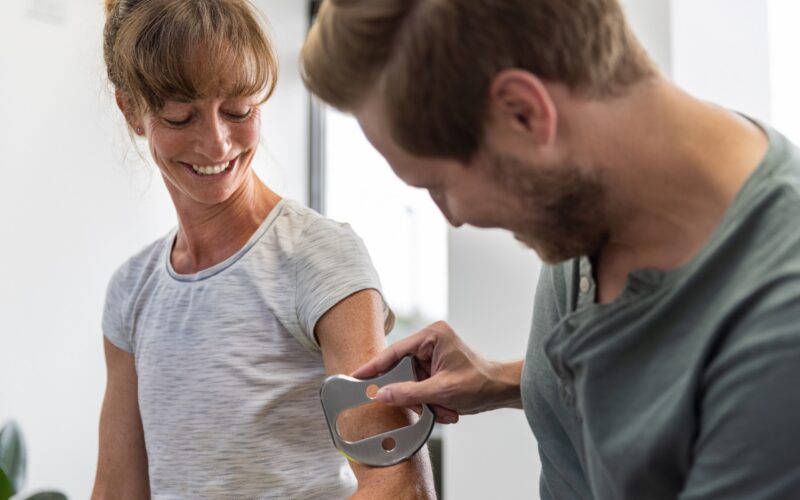
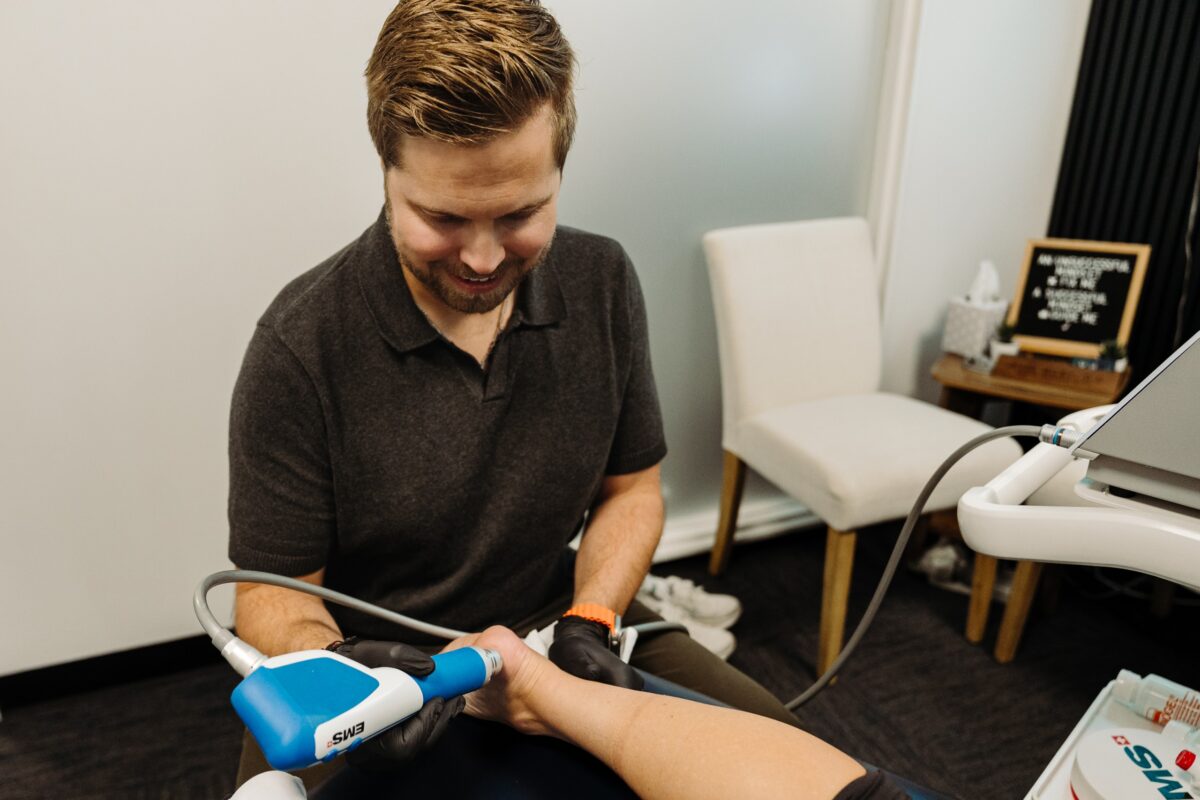
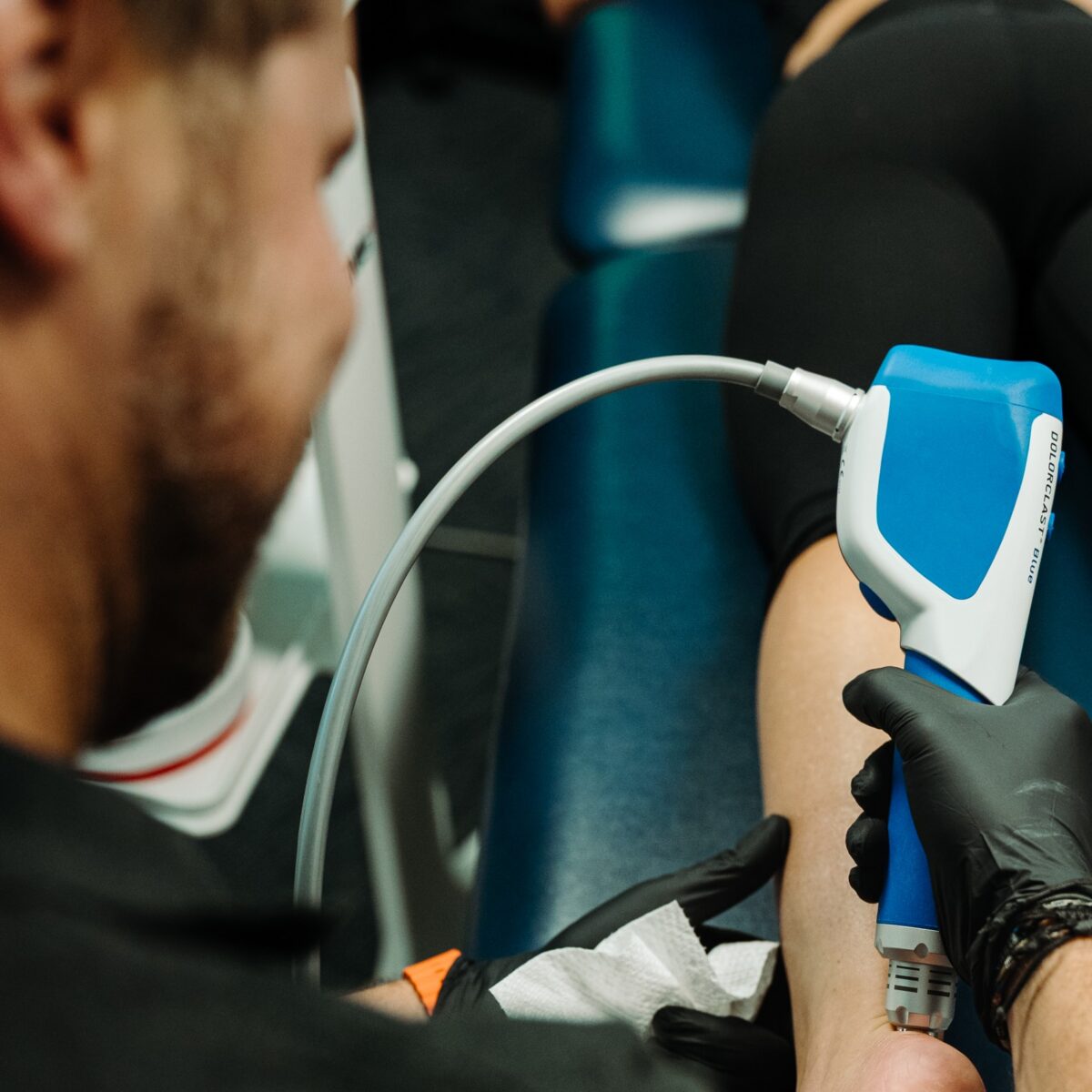
During treatment, a handheld device delivers targeted acoustic waves through the skin directly to the affected tendon or soft tissue. Sessions are short — typically 5 to 10 minutes — and intensity is adjusted based on your tolerance.
The waves create a controlled response in the tissue that triggers new blood flow and signals your body to restart the healing process in an area that’s been stuck. Across a series of sessions, this cumulative effect helps break down degenerated tissue and support healthier tissue in its place.
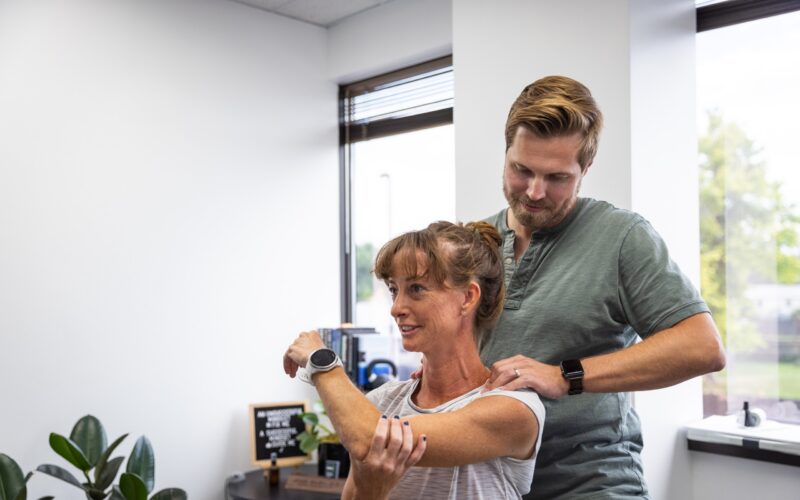
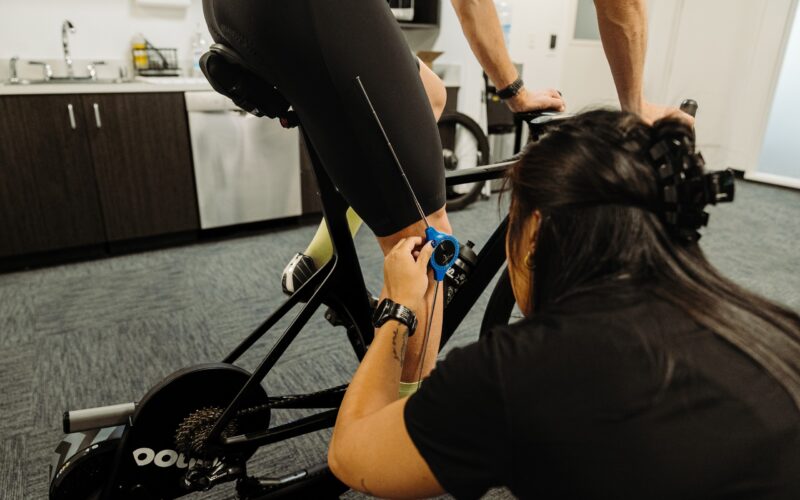
Shockwave is rarely used alone. We pair it with movement assessment and strength or load-management work so the underlying mechanical issue that caused the breakdown gets addressed too — not just the tissue itself.

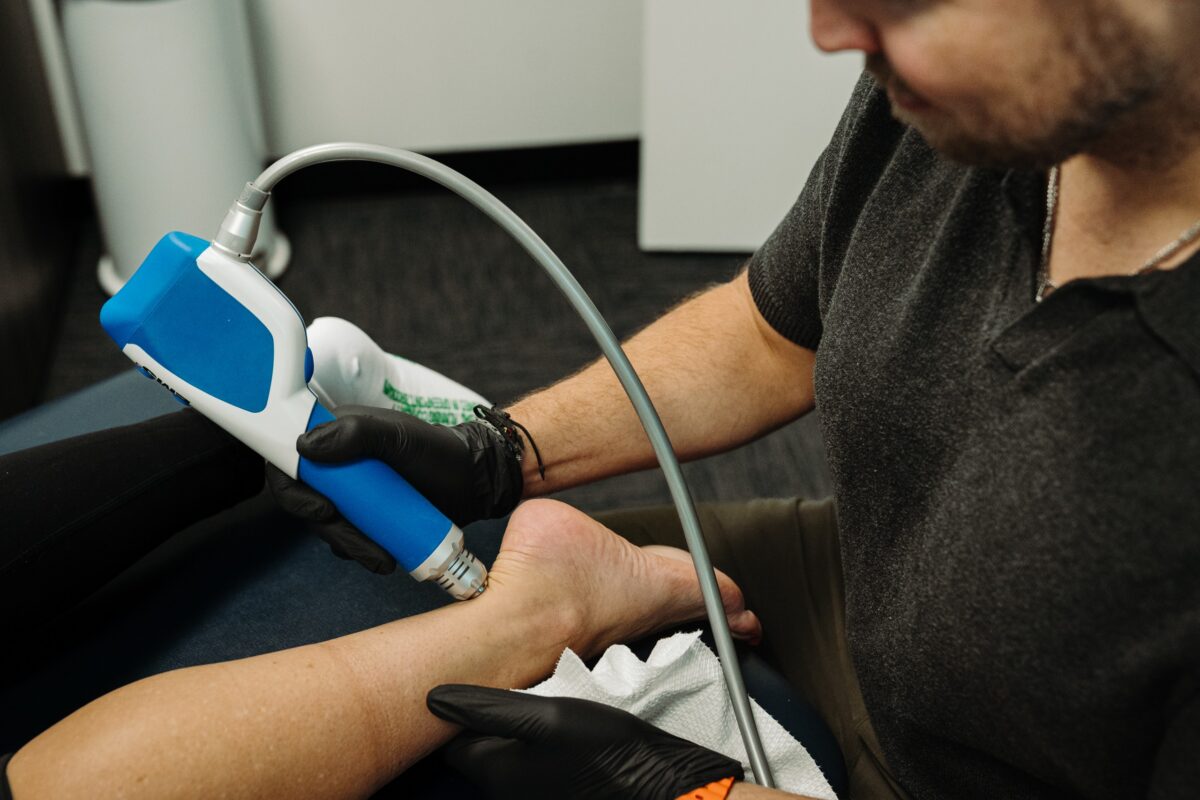
Sessions are short and targeted, typically 5 to 10 minutes. You may feel discomfort during application — especially over a sensitive area — but it’s brief and adjustable. We start conservatively and increase intensity as your tolerance allows.
Mild soreness for 24 to 48 hours after treatment is normal. Most people continue training with minor adjustments rather than stopping altogether. Improvement tends to build gradually across sessions rather than all at once, so we track progress visit to visit.
Shockwave is typically performed about once a week. Most conditions call for 3 to 6 sessions, depending on the tissue and how long it’s been irritated. Sessions are combined with strength, movement, and load progression as part of the overall plan.
When Shockwave Therapy Helps
Who Shockwave Therapy Helps
It can be uncomfortable, especially over a sensitive area, but the sensation is brief and adjustable. We start at a lower intensity and increase it based on what you can tolerate. Most people manage it well without significant discomfort.
Most people need between 3 and 6 sessions, spaced about a week apart, depending on the condition and how your tissue responds. We’ll have a clearer estimate after your evaluation.
Some people notice improvement within the first few sessions, but full results usually build progressively as the tissue adapts over several weeks. It’s a cumulative healing response, not an instant fix.
In most cases, yes. We’ll guide any adjustments to your training so you keep progressing without aggravating the area further. The goal is to keep you moving, not sideline you for weeks.
Modern Movement Clinic is a cash-pay practice, so shockwave therapy is billed directly rather than through insurance. We provide a superbill you can submit for possible out-of-network reimbursement.
Yes — it’s rarely used on its own. We typically pair it with movement assessment, strength work, and load management so the tissue heals and holds up once you’re back to full training.
If pain has lingered for weeks or months, it's time for a different approach. Let's evaluate what's really going on.