Injury Care
Back Pain
Your back doesn't only complain from the bottom. Pain between the shoulder blades gets ignored most, and explained least.


Mon/Wed: 10am–6pm
Tue/Thu: 7am–3pm
(later by appointment)
Lakewood Fri: 9am–12pm
Centennial Fri: 10am–2pm
(by appointment only)
Injury Care
Your back doesn't only complain from the bottom. Pain between the shoulder blades gets ignored most, and explained least.
Low back pain gets all the attention. Meanwhile, the ache between your shoulder blades sits there getting blamed on “bad posture” and nothing else.
Mid and upper back pain often develops differently than low back pain. It’s frequently tied to posture, prolonged sitting, repetitive overhead movement, or restricted mobility in the thoracic spine — the section of your back between your shoulder blades. Over time, that restriction can contribute to tightness, a persistent ache, or even shoulder and neck discomfort, since these areas all work together.
Because the spine functions as a connected system, pain in one section is often influenced by limitations elsewhere — tight hips affecting the low back, restricted thoracic mobility affecting the shoulders, or prolonged poor posture affecting the whole chain.
At Modern Movement Clinic, we evaluate your back as part of that whole system, not as an isolated segment, so treatment addresses what’s actually driving the pain or tightness — wherever it shows up along your spine.
Back pain outside the low back can show up differently depending on where it’s located and what’s driving it. These are some of the most common patterns we see.
Back pain in the mid and upper back often develops from posture, restricted mobility, and repetitive movement patterns rather than a single injury. Identifying which of these factors applies to you is what shapes an effective plan.
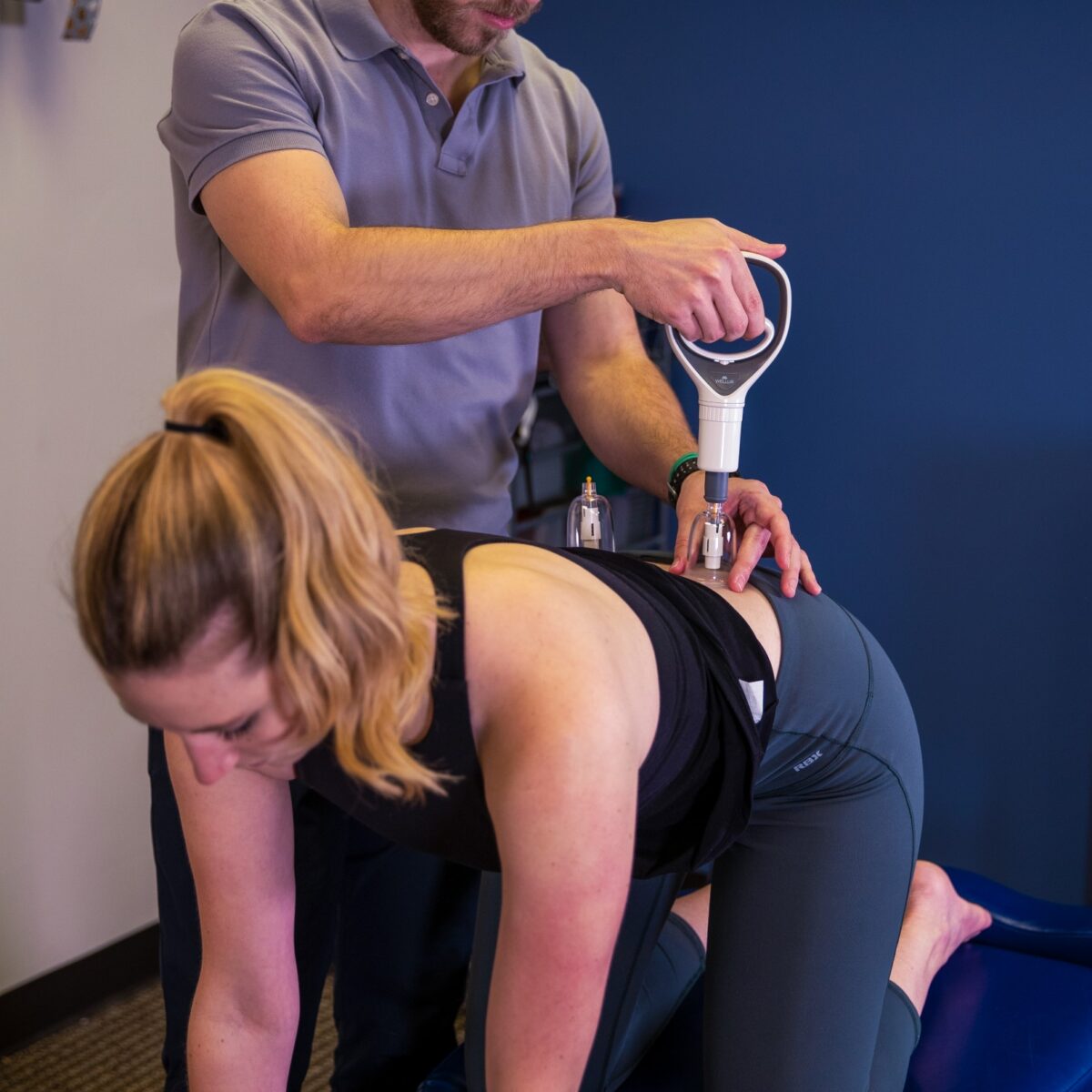
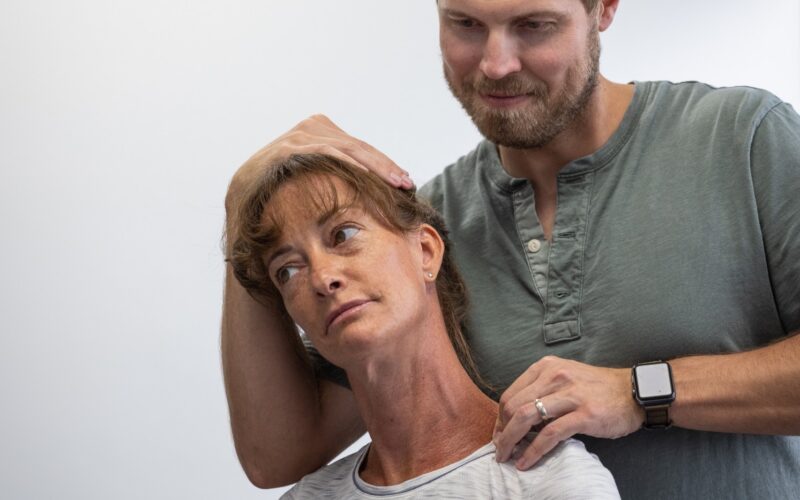
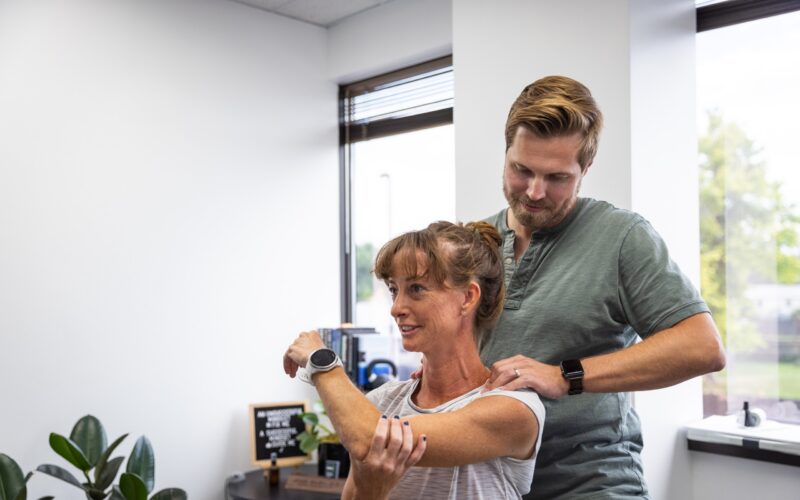
Evaluation starts with understanding where your pain or tightness is located, what activities or positions make it better or worse, and your posture and movement habits throughout the day. From there, we assess mobility and strength throughout the spine, shoulders, and hips to see how they’re working together.
We pay particular attention to thoracic spine mobility and postural strength, since limitations in these areas are common contributors to mid and upper back pain that a spot-check of just the sore area would miss.
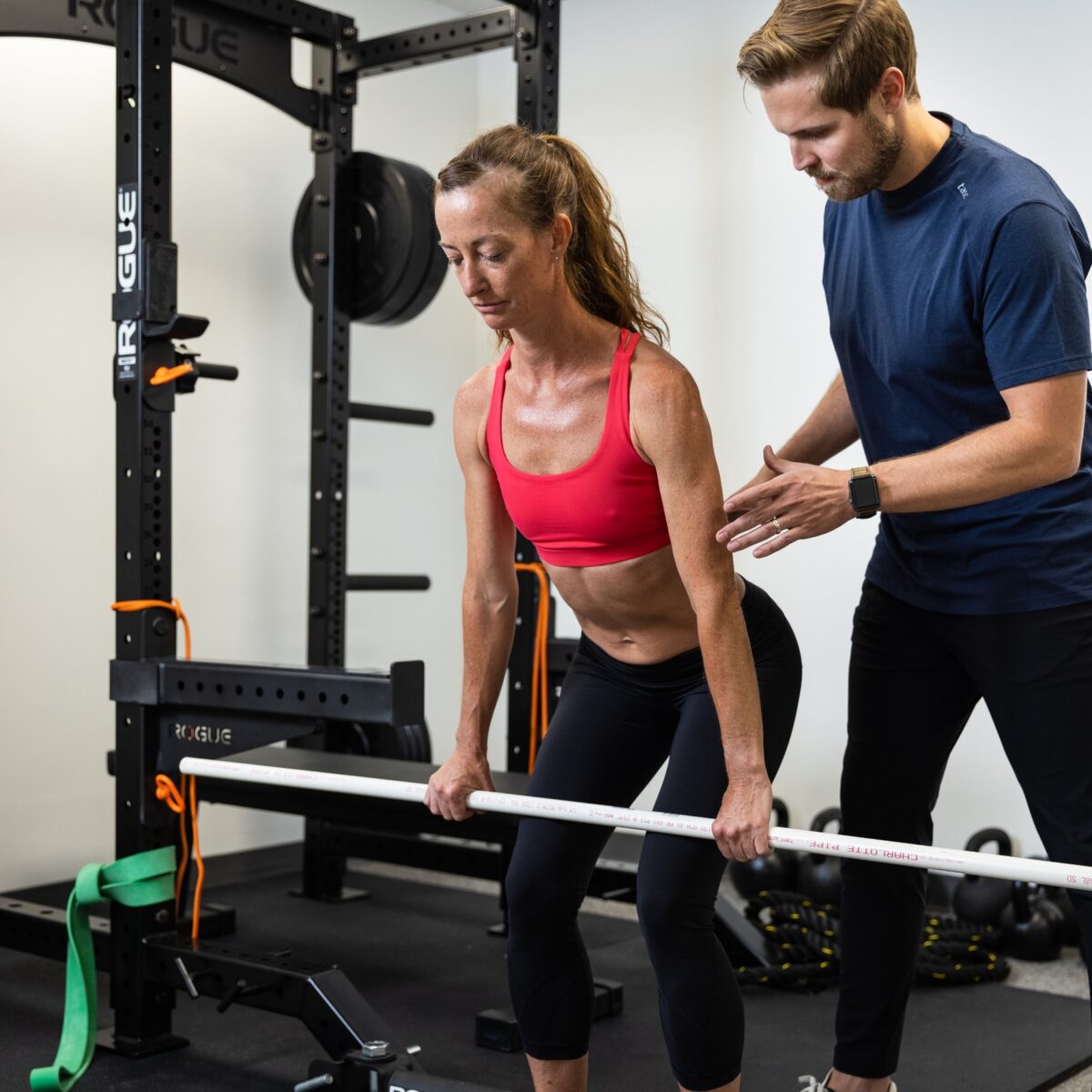
Not necessarily less serious — just usually a different mechanism. Upper and mid back pain is often related to posture and mobility rather than disc or nerve involvement, but it’s still worth evaluating, especially if it’s persistent or affecting your daily activity.
Prolonged sitting tends to restrict thoracic spine mobility and load postural muscles in a fixed position for long stretches, which commonly contributes to tightness and discomfort in the mid and upper back.
Yes. The thoracic spine, shoulders, and neck work closely together, so restriction or weakness in one area often shows up as discomfort in another. We evaluate the full picture rather than just the area that hurts.
Not usually for mid or upper back pain tied to posture or mobility. Most of what we need to know comes from watching how you actually move, not a picture of you standing still.
Stretching can help temporarily, but if the underlying cause is a mobility restriction or postural strength deficit, symptoms tend to return without addressing that root cause directly.

An evaluation beats another round of guessing what's wrong.