Care for Student Athletes
High School Athletes
Growing bodies don't pause for playoffs. We help young athletes recover fully and get back to competing with confidence — not just clearance.

Mon/Wed: 10am–6pm
Tue/Thu: 7am–3pm
(later by appointment)
Lakewood Fri: 9am–12pm
Centennial Fri: 10am–2pm
(by appointment only)
Care for Student Athletes
Growing bodies don't pause for playoffs. We help young athletes recover fully and get back to competing with confidence — not just clearance.
Coaches ask a lot. Growth spurts don’t cooperate with the schedule. And somewhere in between, high school athletes are expected to stay on the field even when something doesn’t feel right.
Because young athletes are still developing, injuries here aren’t always the same as what we see in adult athletes. Growth plates, developing joints, and inconsistent training loads across seasons all play a role in how injuries develop and how they should be managed.
At Modern Movement Clinic, we take a movement-based approach grounded in the same science used in sports physical therapy — built specifically around what a growing athlete’s body needs, not a scaled-down adult protocol.
Whether your athlete is dealing with a nagging overuse injury, recovering from something more acute, or trying to stay ahead of injury during a demanding season, the goal is the same: keep them developing and competing safely.
If your athlete plays cross country, track, basketball, soccer, baseball, softball, or another school sport — and is dealing with pain, an overuse injury, or recovering from something more acute — this page is built around getting them back to their sport safely.
Youth sports injuries often come with extra complexity — growth plates, developing coordination, and schedules that don’t leave much room for recovery. It’s easy for these injuries to get brushed off as “growing pains” without a clear explanation of what’s actually going on.
In many cases, yes. We build plans around your athlete’s season and schedule whenever possible, modifying activity rather than stopping it completely unless the injury requires more caution.
Our approach is grounded in the same movement science used in sports physical therapy, with a specific focus on movement, strength, and return-to-sport progression — which complements the care a pediatrician or primary doctor provides.
Sometimes it is exactly that. But “growing pains” gets used as an explanation a lot more often than it deserves — especially if it’s affecting performance or getting worse. Worth having a real look either way.
Both. We make sure the athlete understands what’s going on in a way that makes sense for their age, while keeping parents fully informed throughout the process.
Yes, when it’s helpful. We’re glad to coordinate with school athletic trainers or coaches to make sure everyone involved in your athlete’s care is on the same page.
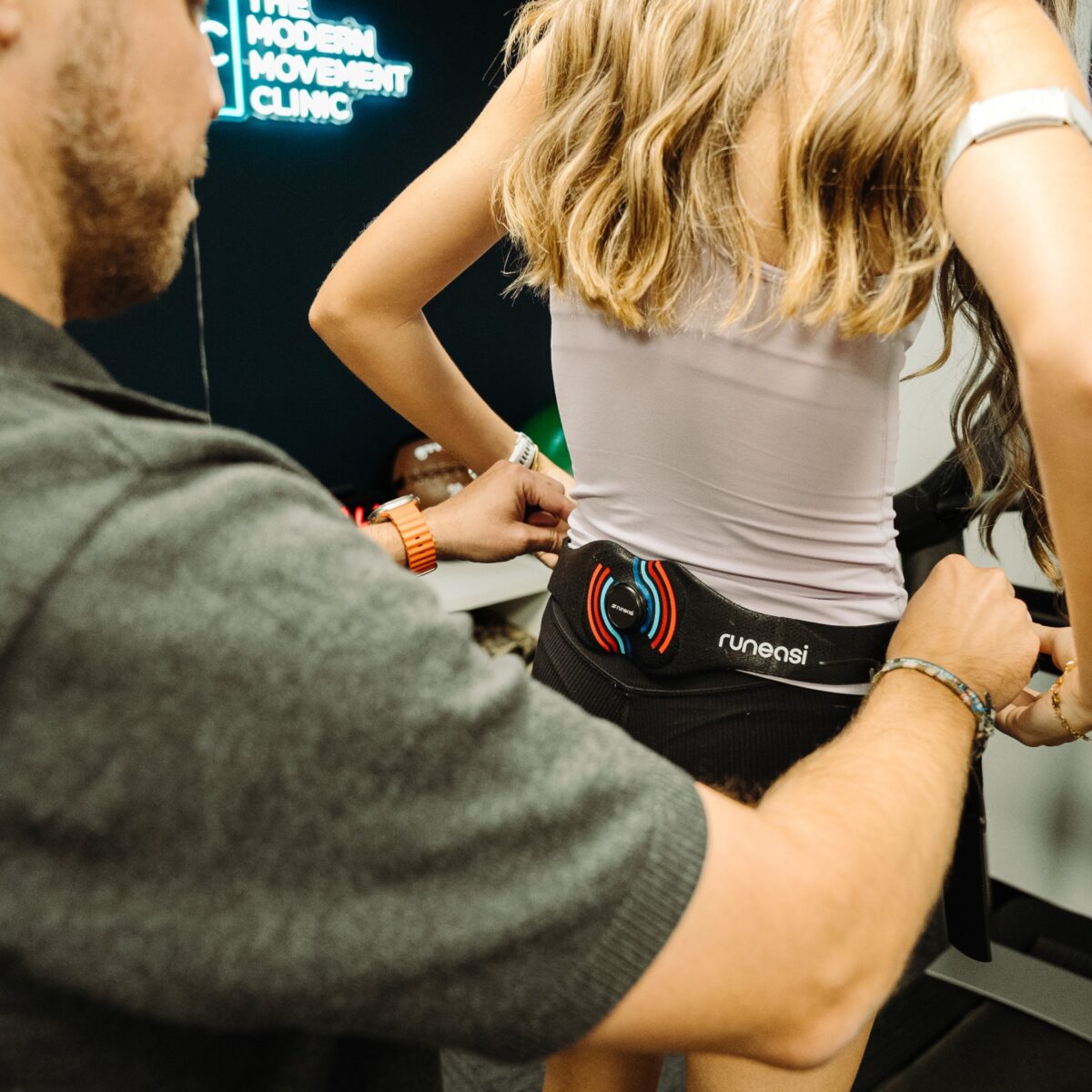
A clear plan for recovery, built around your athlete's specific sport and season schedule.