How it works
What Working With Us Actually Looks Like
No mystery, no guessing. Here's exactly what happens from your first visit through getting back to full training.

Mon/Wed: 10am–6pm
Tue/Thu: 7am–3pm
(later by appointment)
Lakewood Fri: 9am–12pm
Centennial Fri: 10am–2pm
(by appointment only)
How it works
No mystery, no guessing. Here's exactly what happens from your first visit through getting back to full training.
Getting better isn’t magic, and it shouldn’t feel like one either. Our process is built around three stages: understanding what’s actually going on, building a plan specific to you, and getting you back to training — not just out of pain. Here’s how each stage works.
We start by understanding your history, your goals, and how you actually move — using movement assessment and video analysis to see what’s really driving the problem.
Your findings become a specific plan — manual therapy, strength work, and load management combined based on what’s actually limiting you, not a standard protocol.
Most people continue training throughout care. We track progress with objective data, adjust the plan as you improve, and get you back to full activity — not just pain-free rest.
Most evaluations start and stop at the painful spot. Ours doesn’t. Your first visit is a genuine evaluation — not a quick intake followed by a standard protocol.
We start with a real conversation: your training or activity history, what you’ve already tried, and what you’re actually trying to get back to. From there, we move into a full movement and biomechanical assessment, using video analysis to slow things down and show you exactly what we’re seeing. If you’re a runner, this often includes RunEasi gait analysis as well.
You leave your first visit with a clear, honest picture of what’s actually going on — not a vague diagnosis and a stretching handout.
Key Elements
Understanding what’s actually happening is the foundation everything else is built on. Once we know what we’re dealing with, we can build a plan that’s actually built around you.

Your evaluation doesn’t sit in a folder — it becomes the plan. We take what we found and build treatment around the actual cause of your issue, not just the location of your pain.
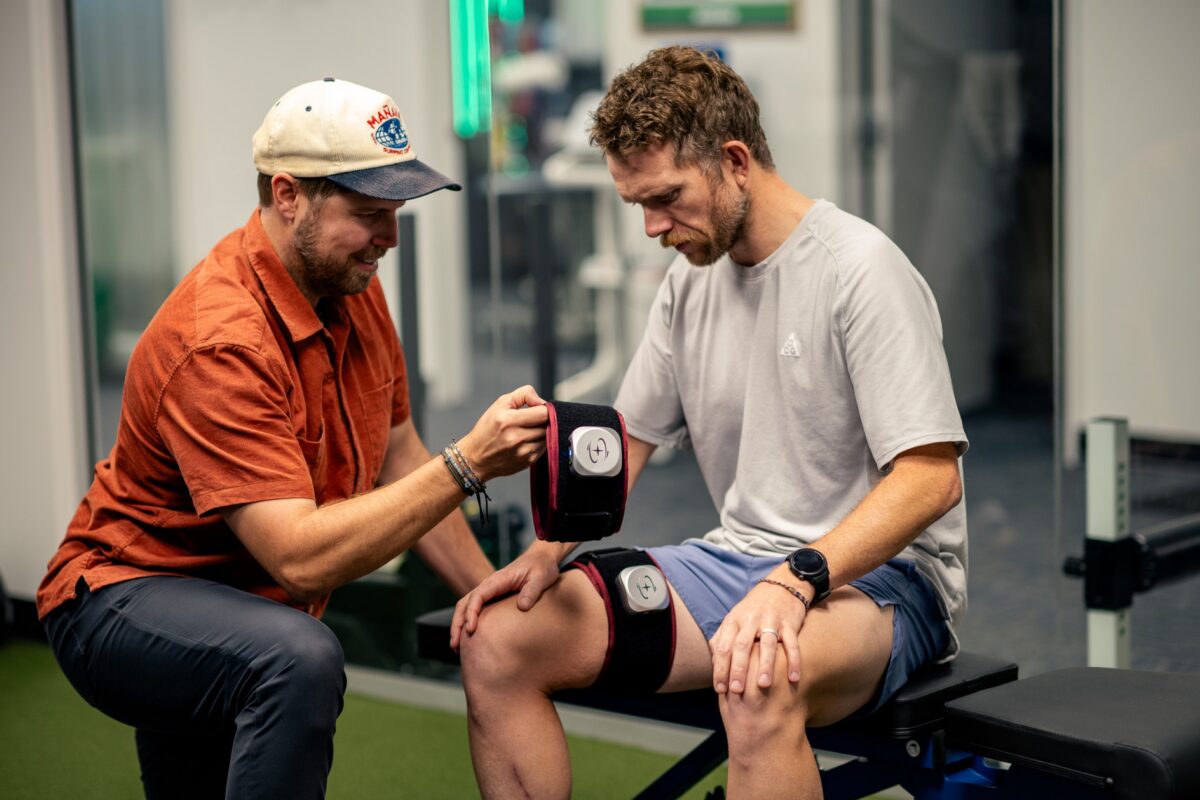
Depending on what your evaluation revealed, that might mean manual therapy, targeted strength and mobility programming, dry needling, shockwave therapy, or a combination built specifically for what’s limiting you. We explain the reasoning behind every part of the plan, so you understand why we’re doing what we’re doing — not just what to do.
Most people continue training or staying active throughout this stage. Complete rest is the exception, not the default.
Key Elements
A plan only works if you understand why it works. That clarity is part of the process — not an afterthought once treatment starts.

Getting out of pain isn’t the finish line — it’s the point where most other approaches stop too early. We track progress with objective measures, not just how you’re feeling that day, so you and your provider both know exactly where things stand.
As your capacity improves, the plan progresses with you — more load, more complexity, more of whatever your sport or activity actually demands. The goal throughout is resilience: not just resolving this issue, but building the strength and movement quality to keep it from coming back once you’re back to full training.
You leave knowing not just that you’re better, but why — and what to watch for going forward.
Key Elements
The goal was never just to get you out of pain. It’s to get you back to full training, with a body that’s actually ready for it.

Every process starts with a clear evaluation. Schedule yours to understand what’s going on and what comes next.