Hands-On Care
Manual & Soft Tissue Therapy
Sometimes the fastest way to restore movement is with hands-on treatment. We use targeted manual techniques to reduce restriction and support recovery.

Mon/Wed: 10am–6pm
Tue/Thu: 7am–3pm
(later by appointment)
Lakewood Fri: 9am–12pm
Centennial Fri: 10am–2pm
(by appointment only)
Hands-On Care
Sometimes the fastest way to restore movement is with hands-on treatment. We use targeted manual techniques to reduce restriction and support recovery.
Some restrictions respond to exercise. Some just need hands on them. We use both, depending on what your evaluation actually shows.
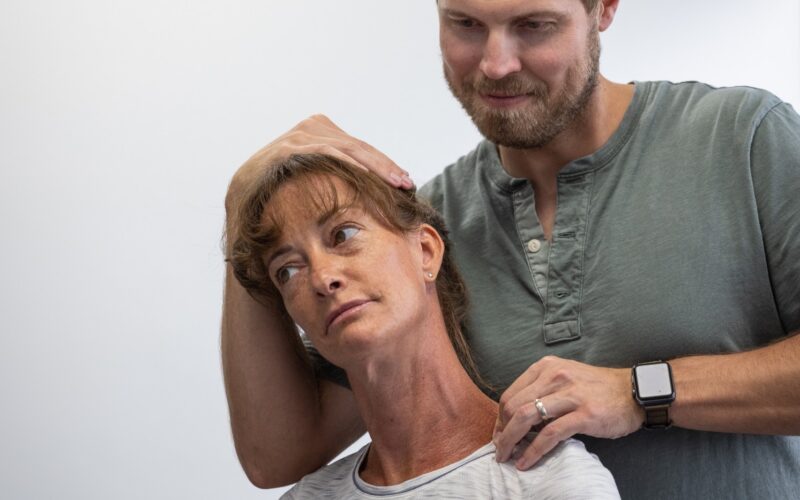
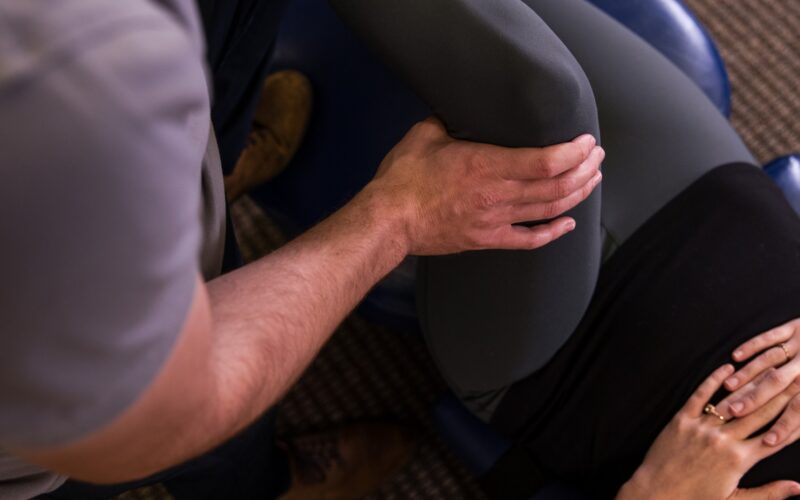
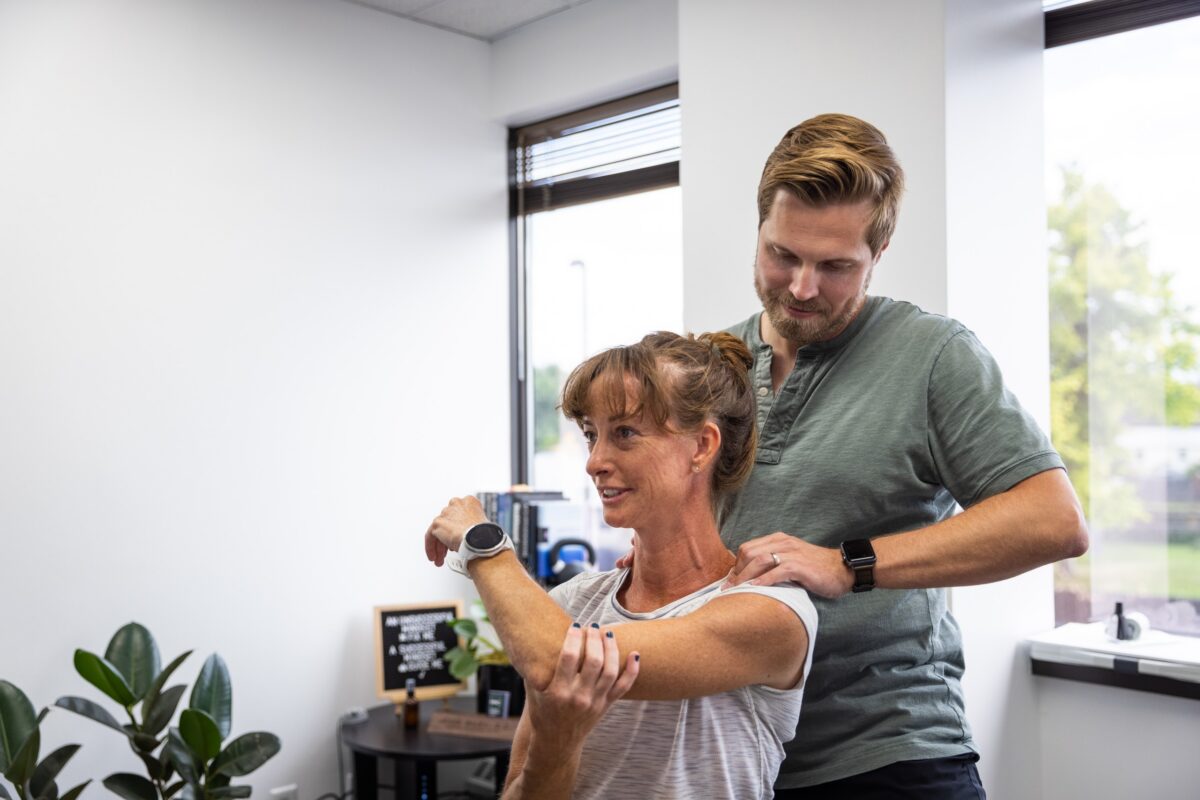
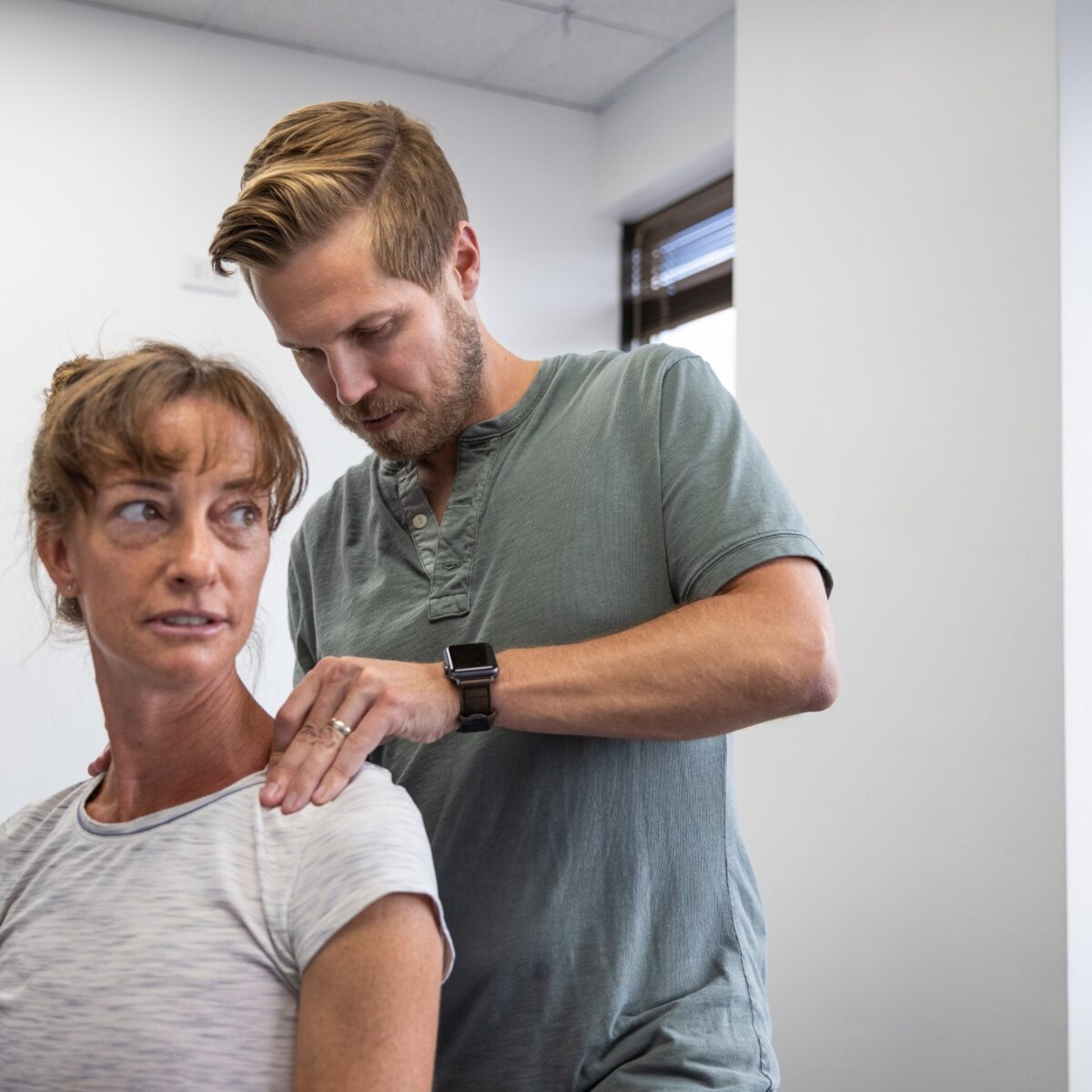
Manual & Soft Tissue Therapy refers to a range of hands-on techniques used to reduce restriction, improve mobility, and support tissue recovery — including chiropractic manipulation and mobilization, cupping, and instrument-assisted techniques like Graston.
Each technique serves a slightly different purpose. Chiropractic manipulation and mobilization address joint restriction and mechanics. Cupping uses suction to help release tight tissue and improve local blood flow. Graston and similar instrument-assisted techniques help break up restrictions in soft tissue that can be difficult to address with hands alone.
At Modern Movement Clinic, we select the specific technique — or combination of techniques — based on what your evaluation shows, rather than applying the same approach to everyone. Manual therapy is typically combined with movement-based treatment, addressing both the tissue restriction and the underlying movement pattern contributing to it.
Manual & Soft Tissue Therapy is a good fit if you’re dealing with joint restriction, muscle tightness, or tissue adhesions that are limiting your movement or contributing to pain.
Ideal Candidates
Manual & Soft Tissue Therapy uses a combination of hands-on and instrument-assisted techniques, selected based on what your evaluation identifies. Chiropractic manipulation and mobilization address joint restriction, while cupping and Graston techniques target soft tissue restrictions and tension.
Sessions are typically brief and targeted to the specific area identified in your assessment. Because manual therapy addresses the tissue and joint restriction directly, it’s often combined with movement-based work to make sure the improvement holds and translates into how you actually move.
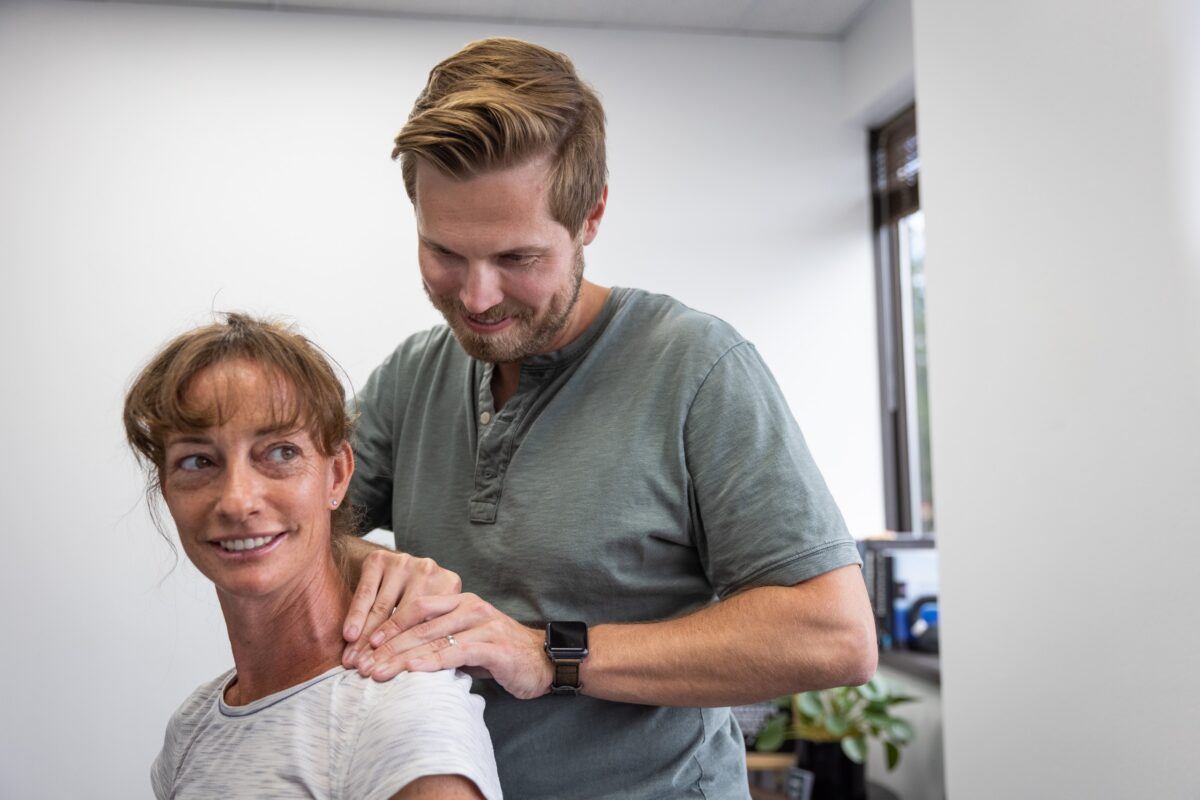
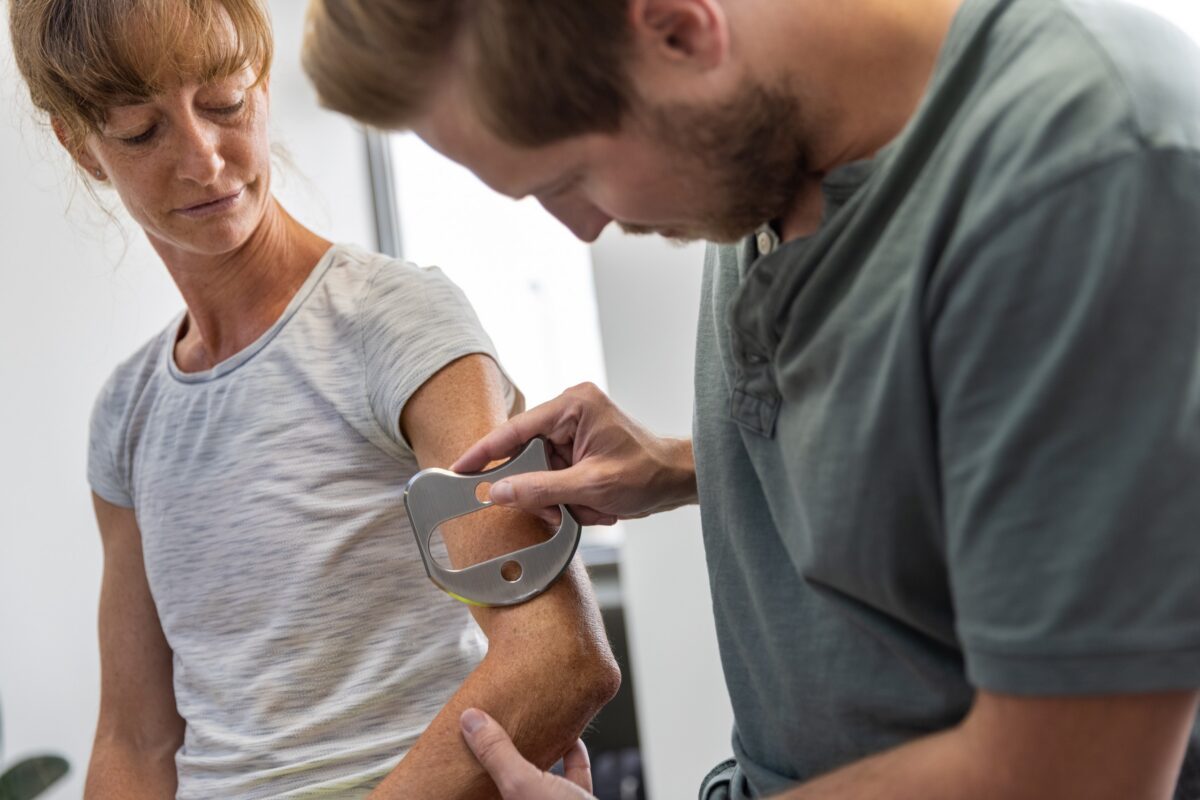
Sessions typically involve hands-on techniques targeted to specific areas of restriction, sometimes combined with cupping or instrument-assisted tools. Most people find these techniques comfortable, though there can be brief pressure or mild discomfort in tight areas.
Mild soreness or temporary marks from cupping (if used) are normal and typically resolve within a few days. Most people feel improved mobility shortly after treatment.
Manual therapy is often used as part of a broader plan and frequency varies depending on what’s being addressed — some people benefit from regular sessions, others use it periodically alongside other treatments.
When Manual & Soft Tissue Therapy Helps
Who Manual & Soft Tissue Therapy Helps
It can include chiropractic manipulation, but Manual & Soft Tissue Therapy also incorporates additional techniques like cupping and Graston, selected based on what your evaluation shows rather than a single standard approach.
It can leave temporary marks that typically fade within a few days. This is a normal response and not something to be concerned about.
There can be mild discomfort, especially in areas with significant restriction, but most people tolerate it well. We adjust pressure based on your comfort level.
This depends on what’s being addressed. Some people benefit from regular sessions as part of ongoing care, while others use it periodically alongside movement-based treatment.
Find out which manual therapy techniques fit what's actually limiting your movement.