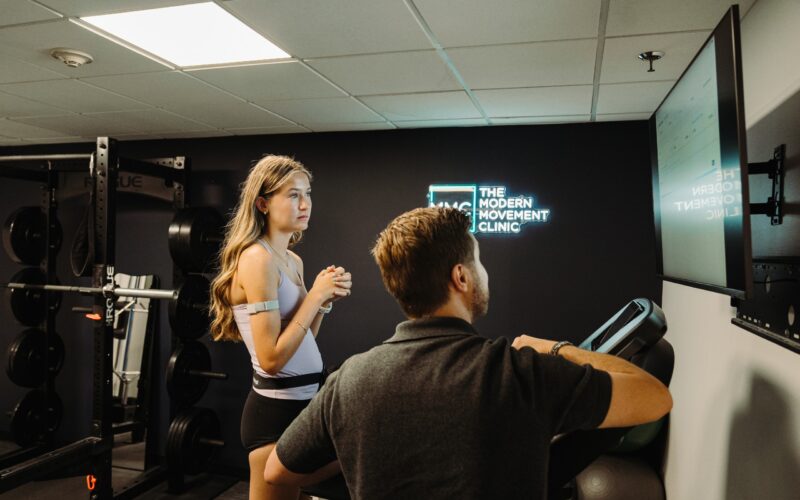
Injury Care
Knee Pain
Your knee is rarely the actual problem — it's usually just the part that complains loudest. We find out what's really going on.

Mon/Wed: 10am–6pm
Tue/Thu: 7am–3pm
(later by appointment)
Lakewood Fri: 9am–12pm
Centennial Fri: 10am–2pm
(by appointment only)
Injury Care
Your knee is rarely the actual problem — it's usually just the part that complains loudest. We find out what's really going on.
Knee pain gets blamed for a lot of problems it didn’t start.
Yes, the kneecap, tendons, or meniscus can be the actual issue. But the knee sits right between the hip and the ankle, which makes it an easy target for problems that begin somewhere else entirely — weak hips, stiff ankles, or a mechanical habit nobody ever corrected.
For runners, that often means patellofemoral pain (runner’s knee) or IT band irritation. For active adults, it might be patellar tendinopathy from training load, or meniscus irritation from twisting movements in recreational sports.
Because the knee is positioned between the hip and the ankle, problems there are often driven by what’s happening elsewhere in the kinetic chain — hip weakness, ankle mobility restrictions, or a mechanical inefficiency in how you move.
At Modern Movement Clinic, we look beyond the knee itself to understand what’s actually driving the pain, so treatment addresses the cause — not just the location where it shows up.
Knee pain can show up differently depending on the underlying cause. These are some of the most common patterns we see.
Knee pain rarely comes from one single event. More often, it develops gradually from a combination of training load, movement mechanics, and strength or mobility limitations elsewhere in the body. Understanding which of these factors is contributing to your specific pain is what shapes an effective plan.
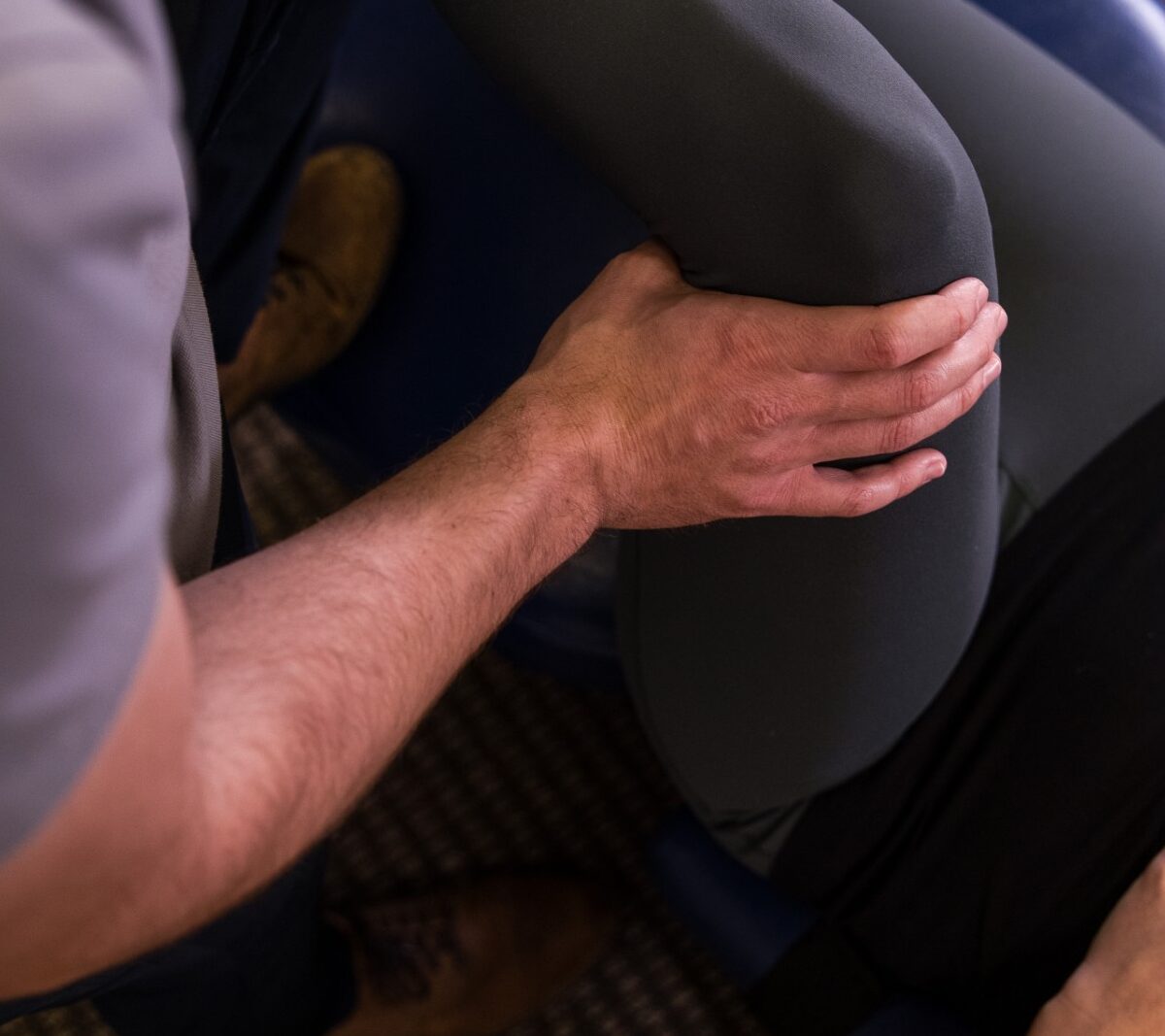
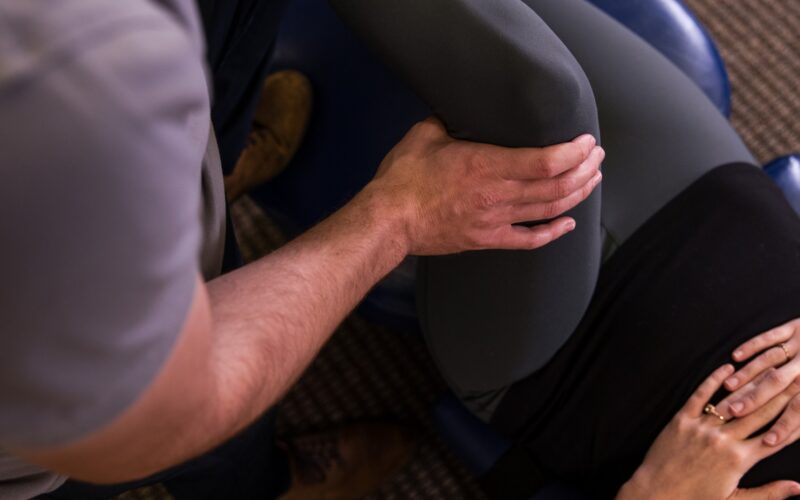
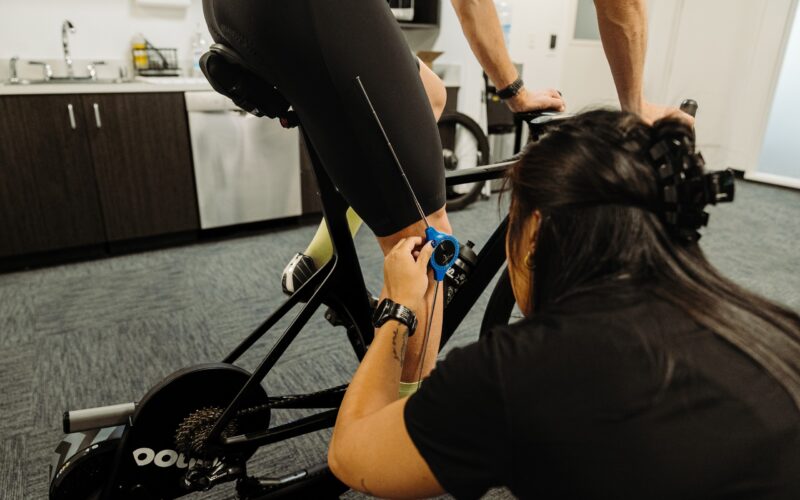
Your evaluation starts with understanding your training history, symptoms, and goals — not just where the pain is located. From there, we assess movement patterns throughout the kinetic chain, including hip strength, ankle mobility, and how you move during activities that reproduce your symptoms.
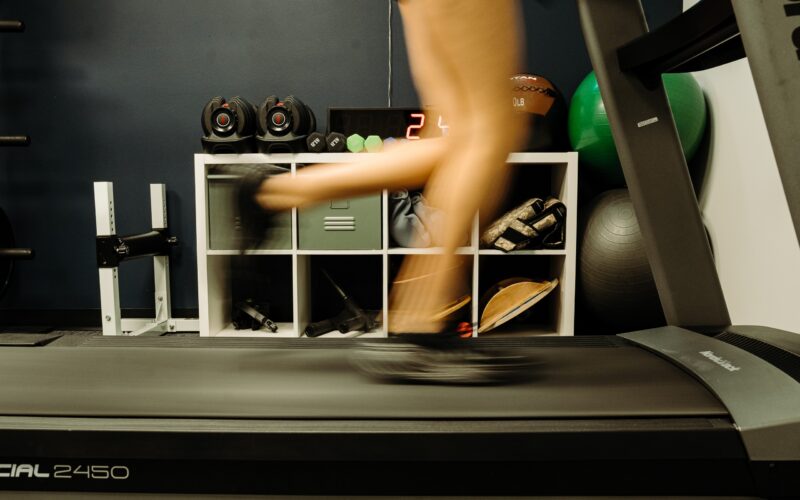
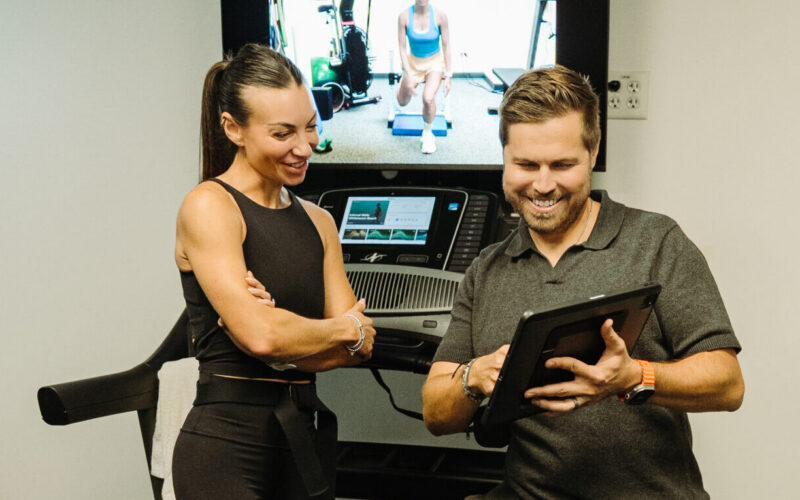
For runners, this often includes gait analysis to see how your mechanics may be contributing to the issue. For non-runners, we look at relevant movement patterns like squatting, stepping, or lateral movement, depending on your activity.
The goal is to understand not just what’s hurting, but why — so the plan addresses the actual cause of your knee pain rather than just calming symptoms temporarily.
Evaluation Components
In many cases, yes, but it depends on the cause and severity. Some knee pain can be managed with modified training while we address the underlying issue, while more significant pain may need a short adjustment period. We’ll help you figure out what’s appropriate.
Usually not. A good movement and strength evaluation tells us most of what we need to know. We’ll flag imaging if something doesn’t add up — not as a default first step.
Runner’s knee (patellofemoral pain) typically causes pain around or behind the kneecap, while IT band syndrome causes pain along the outside of the knee. Both are common in runners but come from different mechanical patterns, which is why an accurate evaluation matters.
This varies significantly depending on the cause, how long you’ve had symptoms, and how consistently you’re able to follow the plan. We’ll give you a clearer picture after your evaluation rather than a generic timeline.
Most of the knee pain we see responds well to movement-based treatment and doesn’t require surgery. If we do think surgical evaluation is warranted, we’ll refer you to the appropriate specialist.
One accurate evaluation beats months of guesswork about the actual source.