Targeted Muscle Treatment
Dry Needling (w/ Electrical Stimulation or E-Stim)
Muscle tension and trigger points can limit movement and performance. Dry needling helps release that tension and restore normal muscle function.

Mon/Wed: 10am–6pm
Tue/Thu: 7am–3pm
(later by appointment)
Lakewood Fri: 9am–12pm
Centennial Fri: 10am–2pm
(by appointment only)
Targeted Muscle Treatment
Muscle tension and trigger points can limit movement and performance. Dry needling helps release that tension and restore normal muscle function.
That knot in your shoulder isn’t going anywhere on its own. Dry needling gives it a reason to let go.
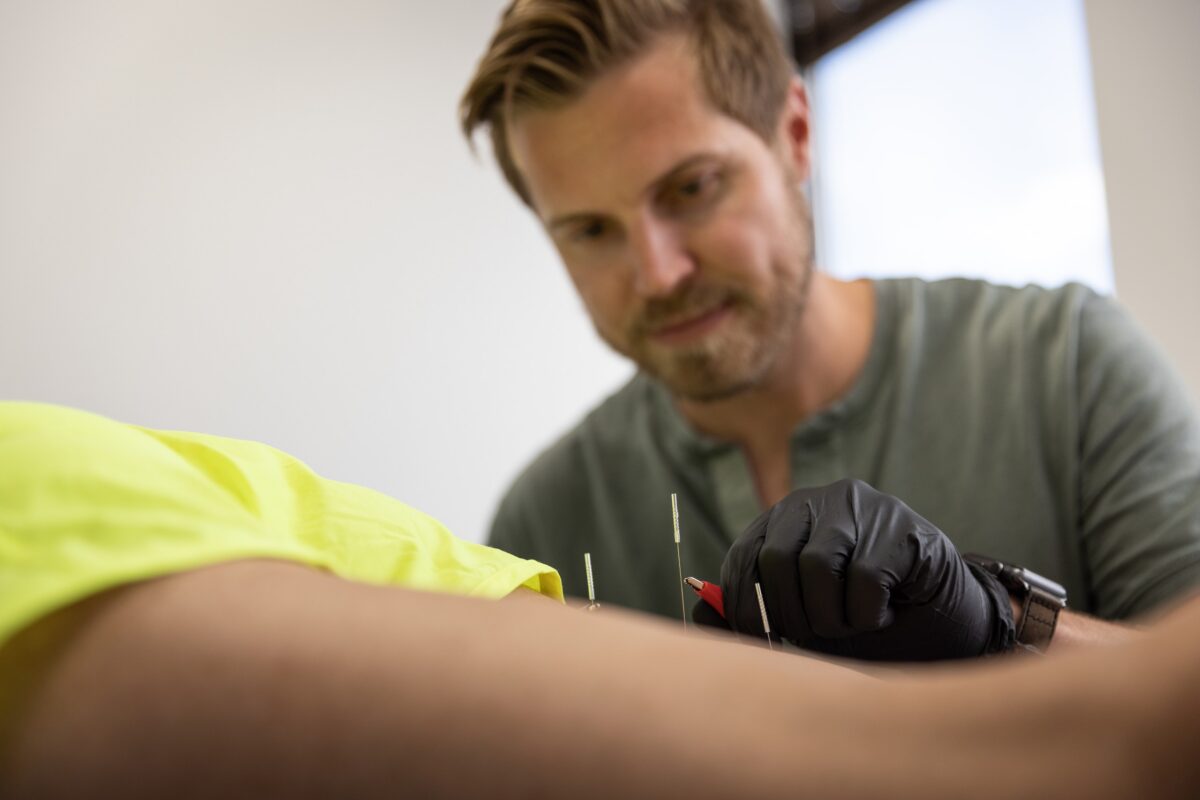
Dry needling is a treatment that uses thin filiform needles inserted into specific muscle trigger points to reduce tension, improve activation, and decrease pain.
Unlike acupuncture, which is rooted in traditional Chinese medicine, dry needling is based on modern understanding of muscle and nervous system function. The needle creates a local response in the muscle that can help release tight knots or trigger points that are contributing to pain or restricted movement.
Adding electrical stimulation (e-stim) to the needles enhances this effect, using a mild electrical current to further stimulate the muscle, improve blood flow, and support the release of tension in stubborn or chronic areas.
At Modern Movement Clinic, dry needling is typically combined with movement assessment and other treatments as part of a broader plan, rather than used as a standalone fix.
Dry needling is a strong option if you’re dealing with muscle tightness, trigger points, or pain that hasn’t fully resolved with stretching or general treatment.
Ideal Candidates
Content During treatment, thin needles are inserted directly into specific muscle trigger points or areas of tension. This creates a local twitch response that can help release tight muscle fibers and reduce pain.
When electrical stimulation is added, a mild current runs through the needles, further stimulating the muscle and enhancing blood flow to the area. This combination can be particularly effective for chronic or stubborn muscle tension that hasn’t responded to other treatments.
Dry needling is typically used alongside other treatments like manual therapy or strength programming, addressing both the muscle tension and the underlying movement pattern contributing to it.
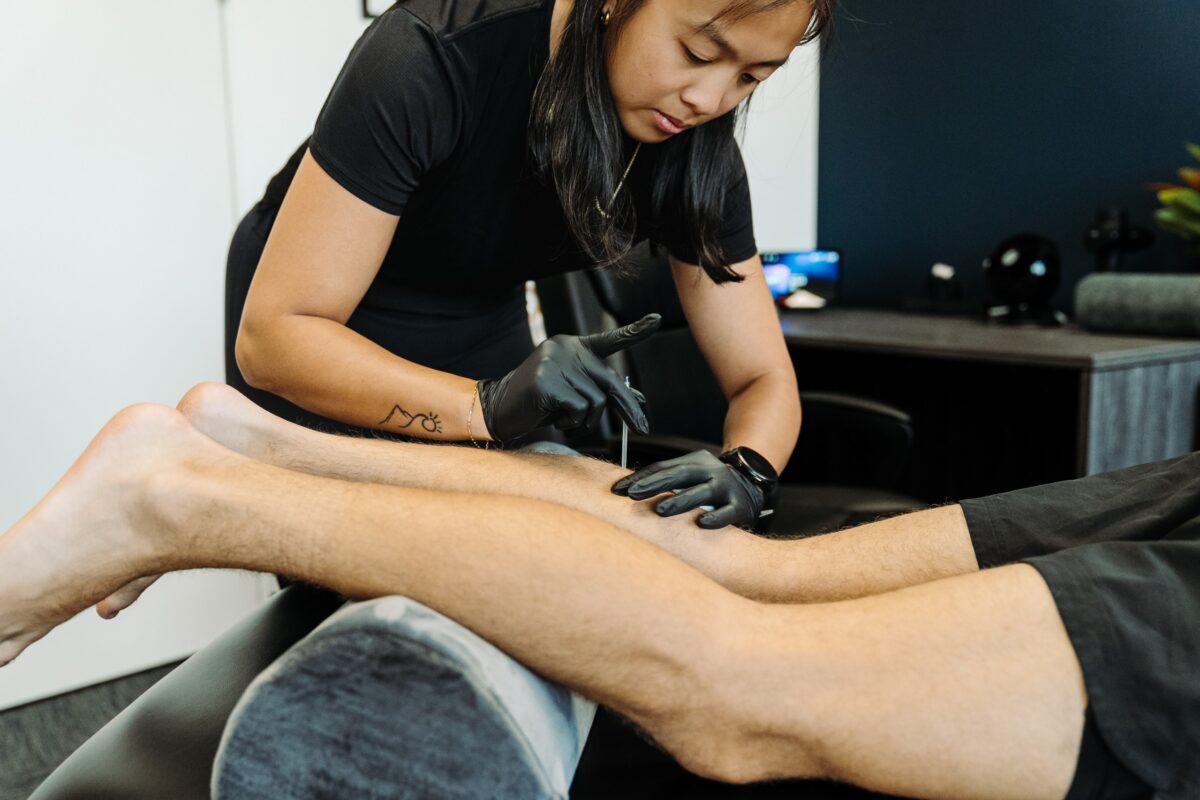
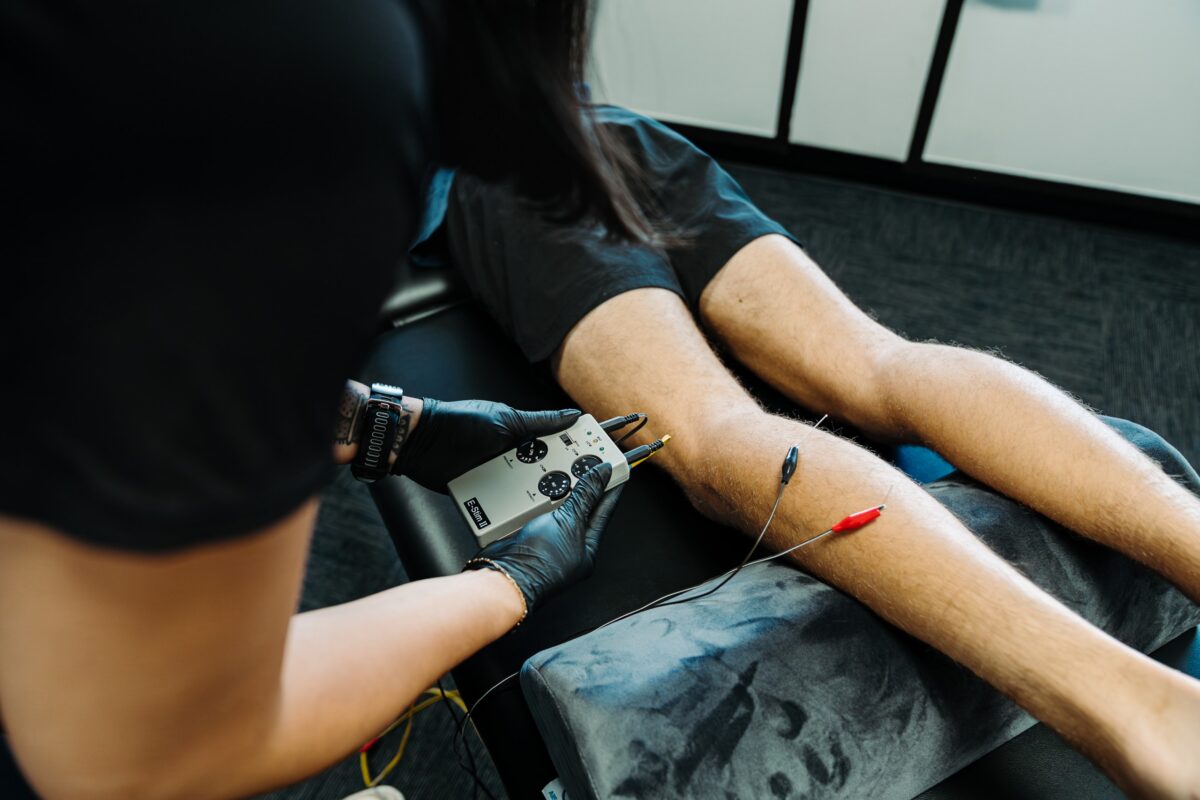
You may feel a brief cramping or twitch sensation as the needle reaches the trigger point. Most people tolerate this well, and any discomfort is typically brief.
Mild soreness, similar to a deep muscle workout, is common for 24 to 48 hours after treatment. Gentle movement and hydration can help manage this soreness.
Dry needling is often used as part of a broader treatment plan and may be performed weekly or as needed depending on the muscle tension being addressed.
When Dry Needling Helps
Who Dry Needling Helps
You may feel a brief cramping or twitch sensation when the needle reaches a trigger point, but most people tolerate it well. Any discomfort is typically brief and manageable.
No. While both use thin needles, dry needling is based on modern understanding of muscle and nervous system function and specifically targets trigger points, while acupuncture is rooted in traditional Chinese medicine with different underlying principles.
This varies depending on the muscle tension being addressed, but dry needling is often used periodically as part of a broader treatment plan rather than as a standalone series.
Mild soreness for 24 to 48 hours is common, similar to how a muscle might feel after an intense workout. This usually is for the first couple of sessions and becomes markedly less.

Find out if dry needling is the right fit for the muscle tension behind your pain.