Care for Multi-Sport Athletes
Endurance Athletes
Swim, bike, run — three sports, one body, and it rarely gets a say in how the training load gets divided. We help sort that out.

Mon/Wed: 10am–6pm
Tue/Thu: 7am–3pm
(later by appointment)
Lakewood Fri: 9am–12pm
Centennial Fri: 10am–2pm
(by appointment only)
Care for Multi-Sport Athletes
Swim, bike, run — three sports, one body, and it rarely gets a say in how the training load gets divided. We help sort that out.
Endurance racing asks more of your body than almost any single sport. Triathlon in particular combines three very different movement patterns — swimming, cycling, and running — each with its own repetitive stress points and recovery demands.
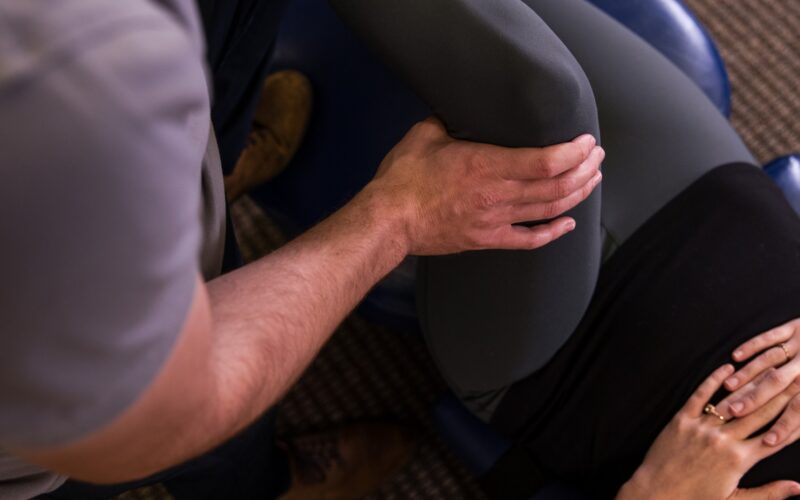
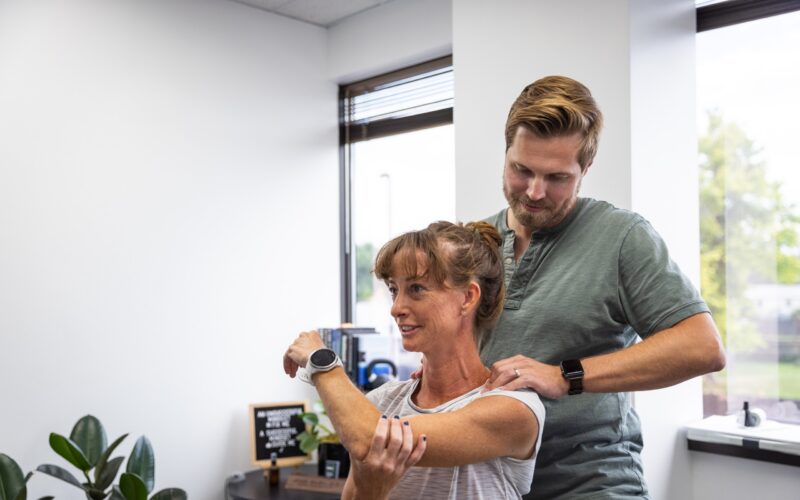
Most healthcare providers are trained to look at one joint or one complaint at a time. That approach falls short for endurance athletes, because problems in one discipline are often connected to how you move in another. Shoulder fatigue from swimming can change how you carry yourself on the bike. Hip and low back tightness from long rides can show up as knee pain when you run.
At Modern Movement Clinic, we look at how your training across all three disciplines adds up — not just the sport where the pain shows up. Our approach is grounded in the same movement science used in sports physical therapy, so we can identify where the real stress is coming from and build a plan that keeps you training toward your next race, not sitting out until it’s over.
You don’t have to choose between racing and recovering. Most of the time, the right plan lets you do both.
If you’re training for a triathlon, marathon, gran fondo, or any endurance event that stacks multiple disciplines or high weekly volume, this page is built around how you train — not a single-sport template.
Endurance training creates a specific set of problems that single-sport programs aren’t built to catch. The same overuse patterns tend to resurface race season after race season if the underlying cause isn’t addressed.
In most cases, yes. Our goal is to help you keep training in some capacity while we address the underlying issue, rather than telling you to stop completely. The specific plan depends on what’s going on and how it’s affecting your movement, but a full stop is rarely the first recommendation.
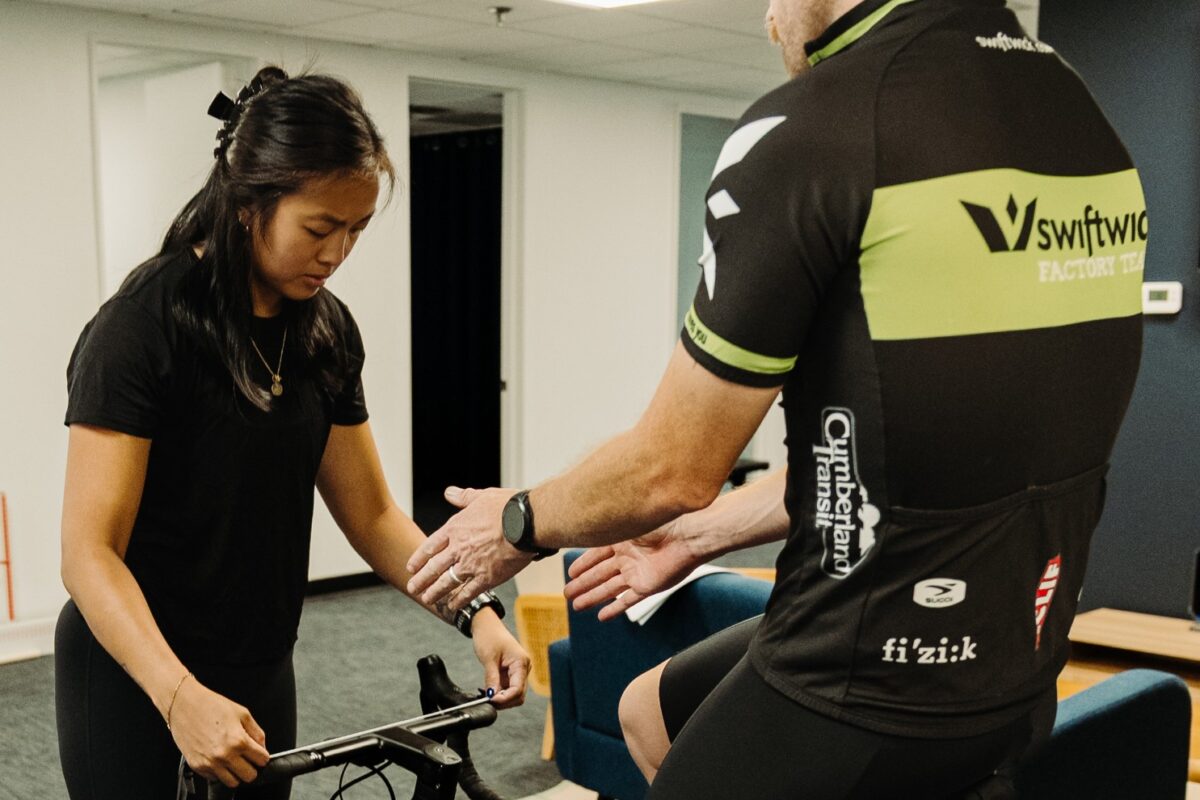
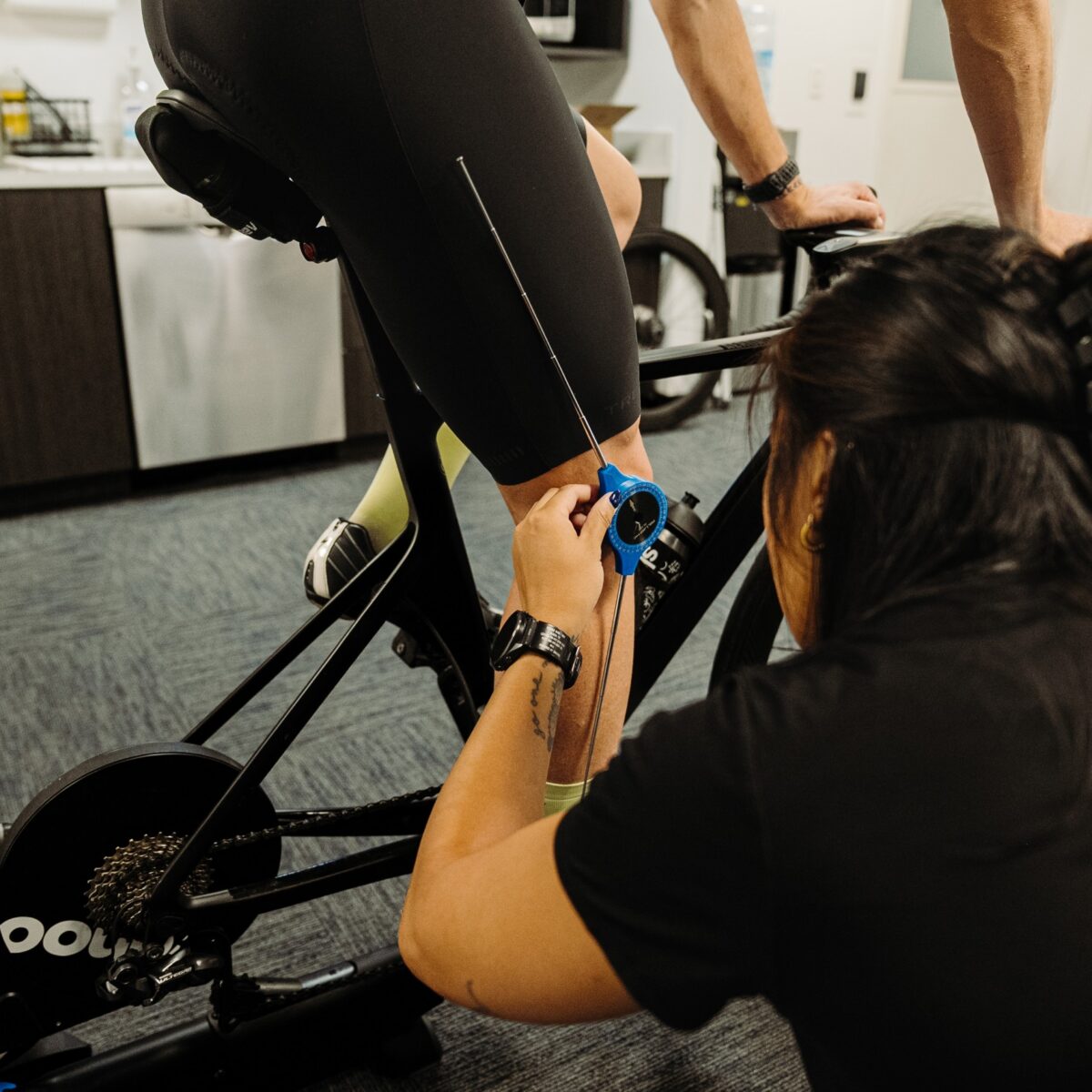
We treat all three disciplines. Cycling and swimming create their own overuse patterns — hip and low back tightness from time in the aero position, shoulder fatigue from swim volume — and we evaluate those the same way we evaluate running mechanics.
Our approach is grounded in the same movement science used in sports physical therapy. That means a full movement assessment across your training, not just spinal adjustments. We look at how your swim, bike, and run mechanics interact before building a plan.
Many endurance athletes use an evaluation to catch small movement inefficiencies before they become injuries, especially heading into a big training block. It’s not required, but it can be useful if you want a baseline before volume increases.
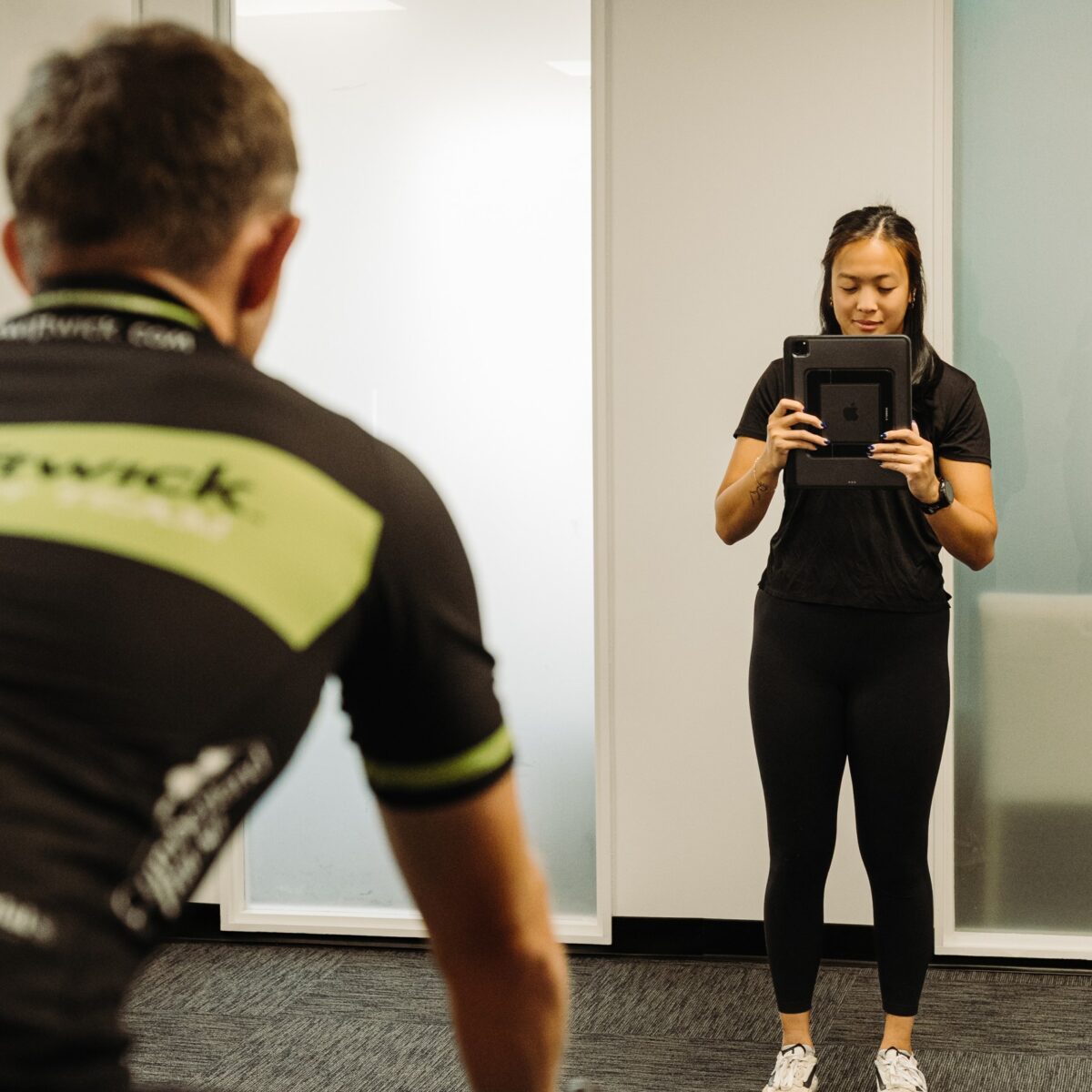
We start with a conversation about your training across all three disciplines, then a movement assessment to see how your body is handling that load. Depending on your primary complaint, this may include gait analysis or video-based movement assessment. From there, we build a plan around your race calendar.
Yes. Recurring, season-after-season issues are often a sign that an underlying movement pattern hasn’t been addressed, not just bad luck. We focus on identifying that root cause rather than just treating symptoms as they come up.
A triathlon body needs a triathlon plan — not three single-sport ones stapled together.