Injury Care
Foot & Ankle Pain
Every step you take runs through your foot and ankle first. When something's off down there, everything above it inherits the problem.

Mon/Wed: 10am–6pm
Tue/Thu: 7am–3pm
(later by appointment)
Lakewood Fri: 9am–12pm
Centennial Fri: 10am–2pm
(by appointment only)
Injury Care
Every step you take runs through your foot and ankle first. When something's off down there, everything above it inherits the problem.
Plantar fasciitis makes its presence known before you’ve even had coffee. Achilles pain waits until mile four. Either way, your foot has something to say — usually about plantar fasciitis, Achilles tendinopathy, ankle sprains, or a mechanical issue in how you’re loading it.
For runners, this often means plantar fasciitis from repetitive impact, or Achilles tendinopathy from a rapid increase in training volume or hill work. For active adults, ankle sprains or general foot fatigue are common, especially with activities that involve quick changes of direction.
Because the foot and ankle absorb and transfer force with every step, problems here are often connected to how the rest of your lower body moves — hip and knee mechanics, calf strength, and overall movement patterns all play a role. At Modern Movement Clinic, we assess the full picture, not just the point of pain.
Foot and ankle pain can present differently depending on the underlying cause. These are some of the most common patterns we see.
Foot and ankle pain often develops from a combination of repetitive impact, limited mobility, and strength imbalances in the lower leg and foot. Identifying which of these factors applies to your specific pain is what shapes an effective plan.

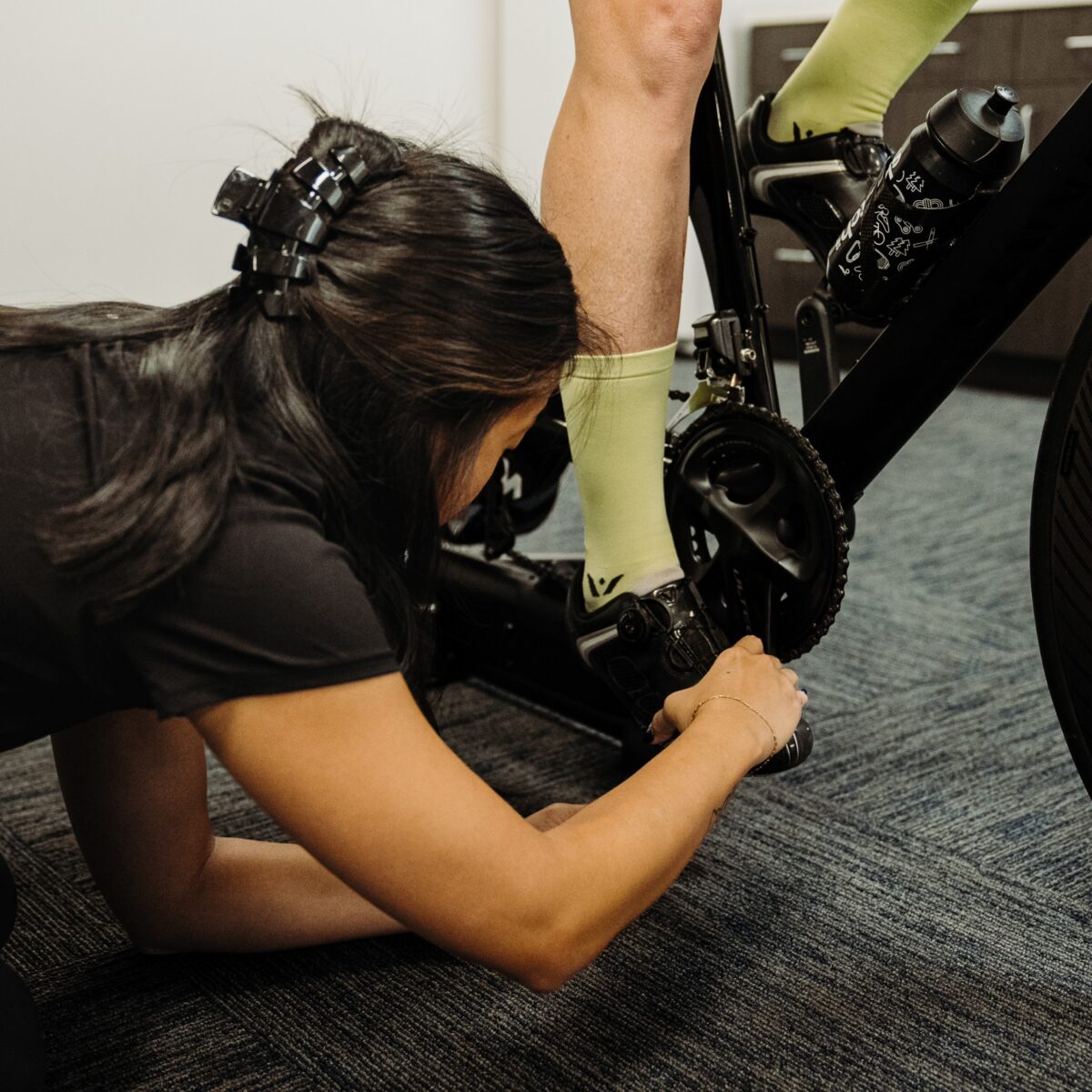
Evaluation starts with understanding your training history, symptoms, and footwear, along with a movement and strength assessment of the foot, ankle, and lower leg. We look at how you move during activities relevant to you, rather than assessing the foot in isolation.
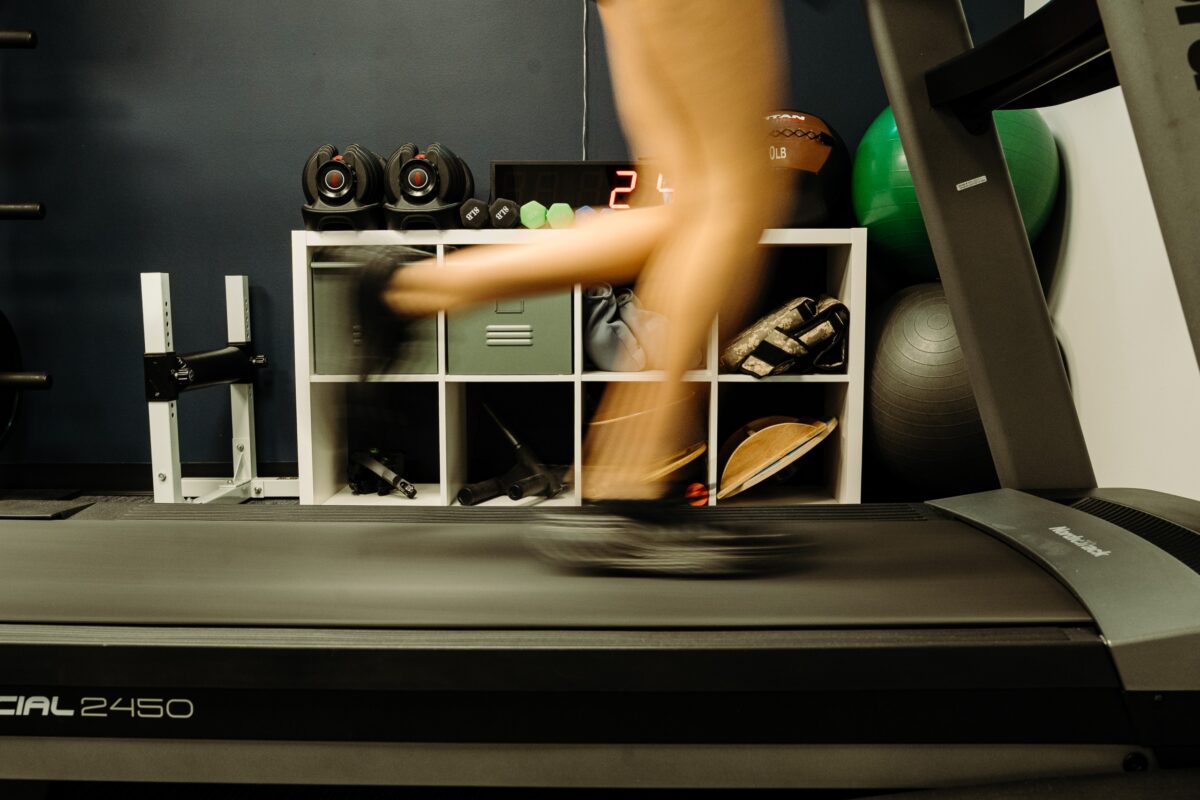
For runners, this often includes gait analysis to see how your mechanics may be contributing to the issue. For those recovering from an ankle sprain, we assess stability and range of motion to understand how well the joint has healed and what’s still limiting you.
In many cases, yes, with some modification to training volume or surfaces while we address the underlying issue. We’ll help you understand what’s appropriate based on your specific symptoms.
This varies depending on the severity of the sprain, but many ankle sprains don’t fully rehabilitate on their own, leaving lingering instability. An evaluation can help determine whether additional stability work is needed.
Footwear can be part of the story, but it’s rarely the whole book. We look at your mechanics and training load first — shoes are one chapter, not the plot.
Plantar fasciitis typically causes pain along the bottom of the foot or heel, especially with first steps in the morning, while Achilles tendinopathy causes pain or stiffness along the back of the heel. Both are common in runners but respond to somewhat different approaches.
Not always. Many cases can be evaluated and treated based on a thorough movement and strength assessment. Imaging may be recommended in specific cases, such as a suspected fracture.

An accurate evaluation beats another year of babying one foot.