Injury Care
Low Back Pain
Low back pain can limit everything from training to daily life. We help identify what's driving it and build a plan to resolve it.


Mon/Wed: 10am–6pm
Tue/Thu: 7am–3pm
(later by appointment)
Lakewood Fri: 9am–12pm
Centennial Fri: 10am–2pm
(by appointment only)
Injury Care
Low back pain can limit everything from training to daily life. We help identify what's driving it and build a plan to resolve it.
Low back pain is one of the most common reasons people seek care, and it can come from a range of sources — muscle strain, disc irritation, nerve involvement like sciatica, or mechanical issues related to posture, movement patterns, or training load.
For athletes and active adults, low back pain often develops gradually from repetitive movement patterns, insufficient core or hip strength, or a rapid increase in training volume. It can also be aggravated by prolonged sitting or poor movement mechanics during lifting or training.
Because the low back is connected to the hips, core, and overall movement mechanics, treating it effectively means looking beyond just the spine itself. At Modern Movement Clinic, we assess how you move as a whole system to understand what’s actually contributing to your pain, rather than treating the back in isolation.
Low back pain can present in different ways depending on the underlying cause. These are some of the most common patterns we see.
Low back pain typically develops from a combination of movement mechanics, strength or mobility limitations, and training or lifestyle factors. Identifying the specific combination behind your pain is what shapes an effective plan.
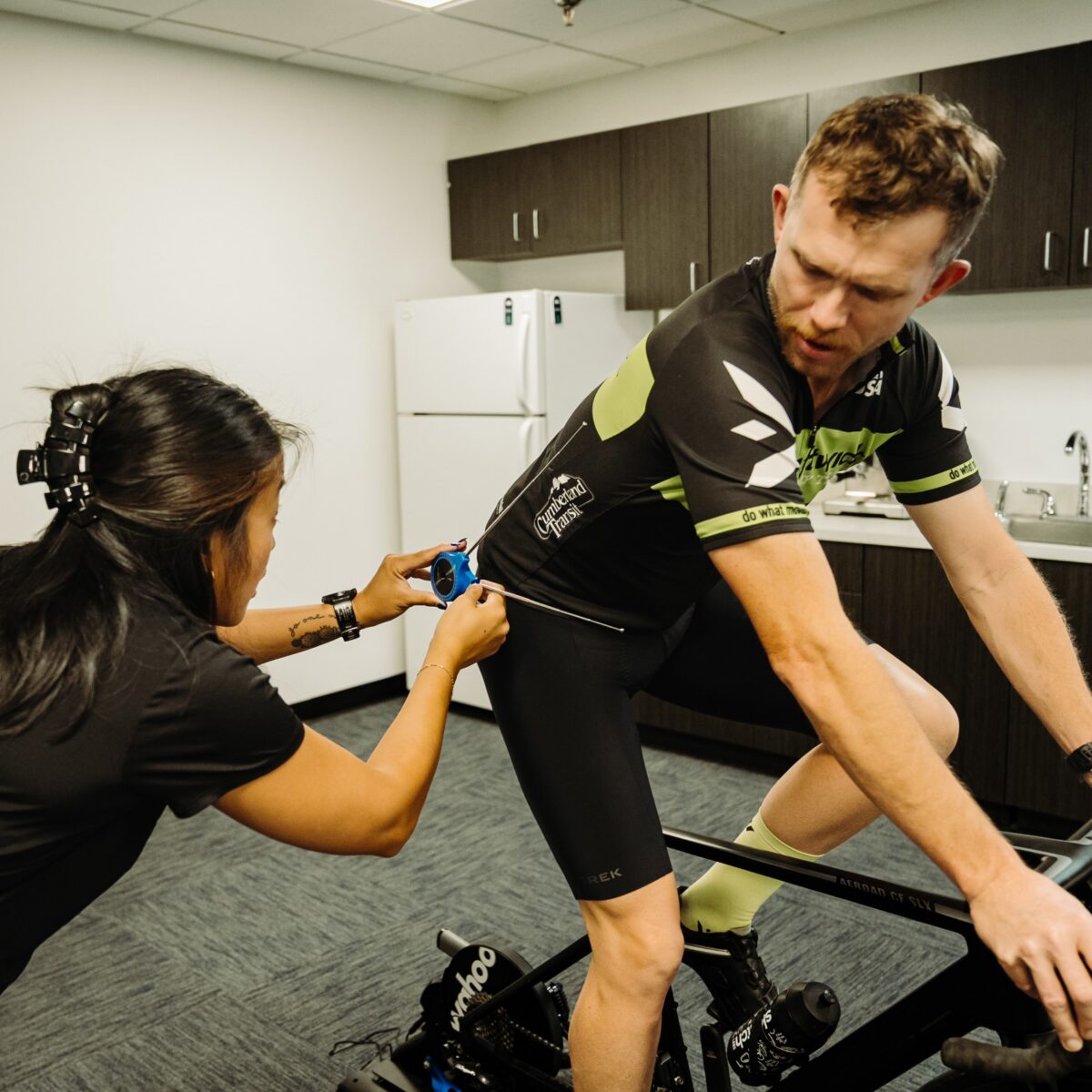
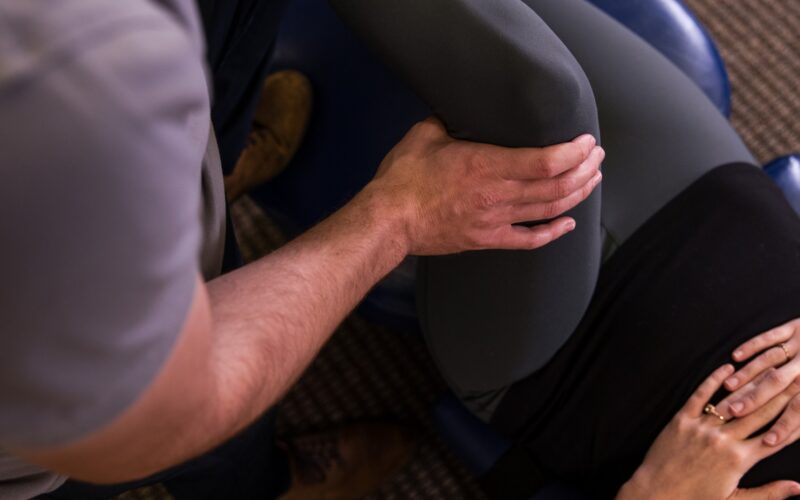
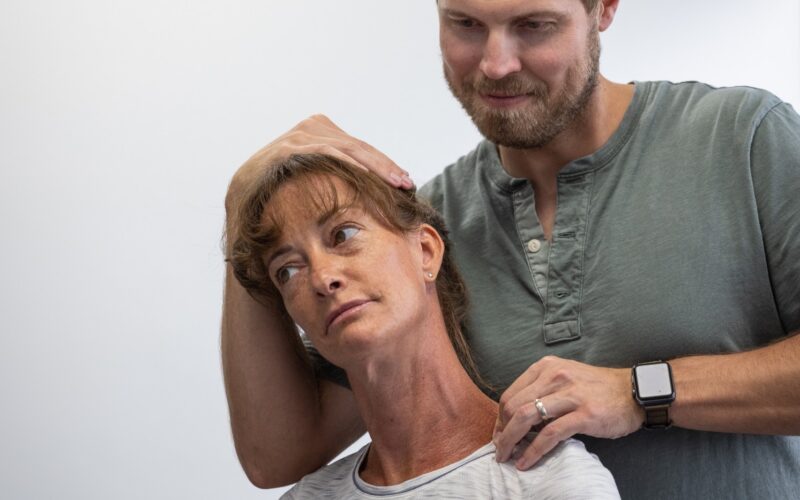
Evaluation starts with understanding your pain patterns, training or activity history, and any related symptoms like radiating pain or numbness. From there, we assess movement throughout the spine, hips, and core to understand what’s contributing to the issue.
We pay close attention to how your back moves during activities relevant to you — whether that’s lifting, running, or simply daily movement — rather than assessing the spine in isolation. This gives us a clearer picture of whether the issue is coming from strength, mobility, movement mechanics, or a combination.
Chronic or recurring low back pain is rarely just a tissue problem. Long-standing pain often involves how stress, sleep, fear of movement, and past experiences with pain interact with what’s actually happening in the body. Living with pain that doesn’t resolve takes an emotional toll too, and that’s worth acknowledging as part of the plan — not brushed past. That’s why your evaluation includes a real conversation about what you’re dealing with — not just a physical exam. You’ll understand why it hurts, have a say in the plan, and leave with more than a generic protocol.

Most low back pain is mechanical and related to strength, mobility, or movement patterns rather than something serious. That said, symptoms like radiating pain, numbness, or weakness are worth having evaluated to rule out nerve involvement.
In many cases, yes, with some modification. We’ll help you understand what’s safe to continue and what might need to be adjusted while we address the underlying issue.
Low back pain generally refers to discomfort localized to the back itself, while sciatica involves radiating pain, numbness, or tingling that travels into the leg, usually from nerve irritation. The evaluation helps determine which pattern you’re dealing with.
Not always. Many cases of low back pain can be evaluated and treated based on a thorough movement and strength assessment. Imaging may be recommended in specific cases, but it’s not typically the first step.
This depends on the cause, how long you’ve had symptoms, and how consistently you follow the plan. We’ll give you a realistic picture after your evaluation rather than a generic timeline.
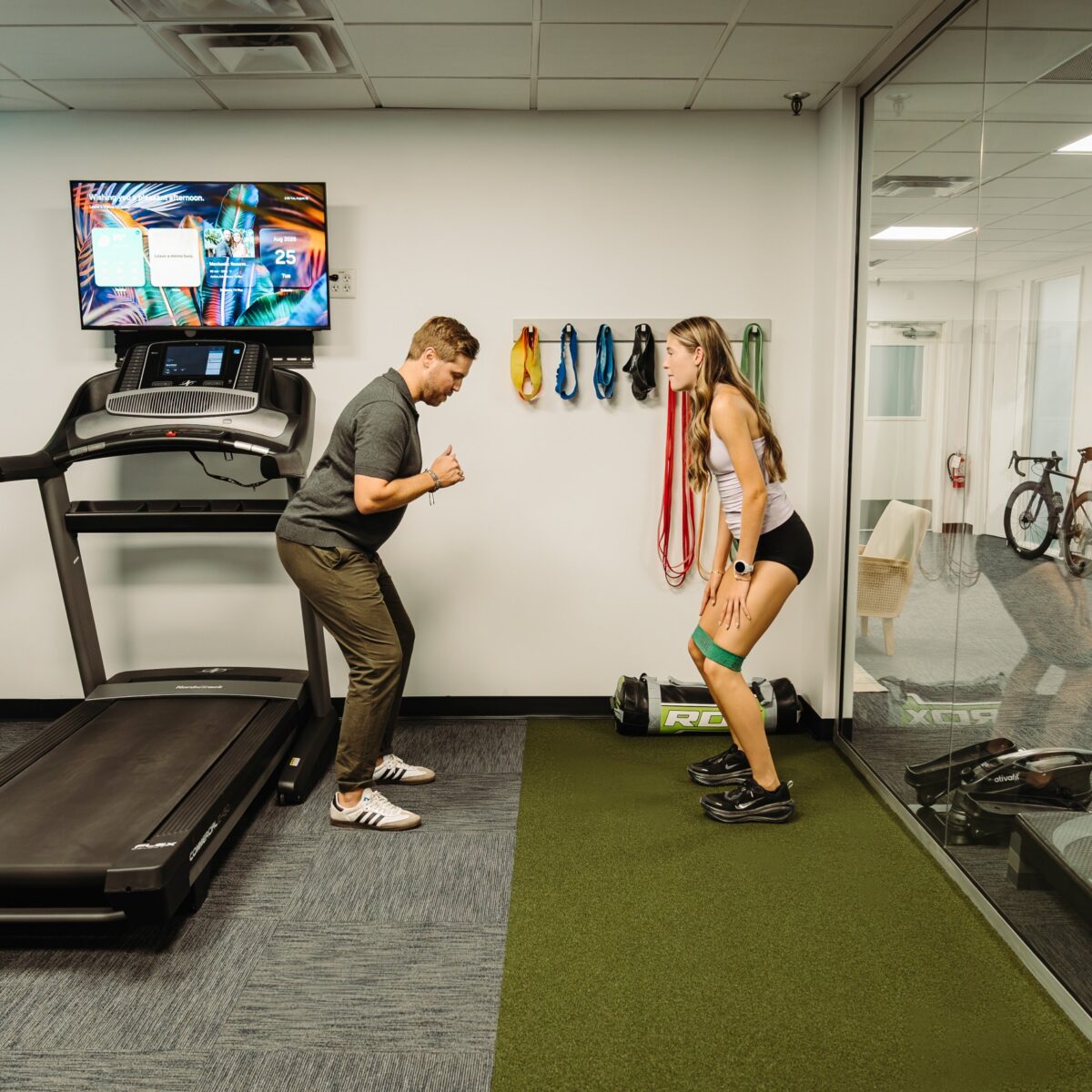
An accurate evaluation matters. Let's find out what's actually driving your symptoms.