Injury Care
Hip Pain
Hip pain rarely stays in the hip. It shows up in your stride, your stability, and eventually your patience.

Mon/Wed: 10am–6pm
Tue/Thu: 7am–3pm
(later by appointment)
Lakewood Fri: 9am–12pm
Centennial Fri: 10am–2pm
(by appointment only)
Injury Care
Hip pain rarely stays in the hip. It shows up in your stride, your stability, and eventually your patience.
The hip sits at the center of everything your lower body does, which makes it an easy scapegoat for problems that started somewhere else entirely — impingement, tendinopathy, muscle strain, or mechanical issues involving the low back and core.
For runners and cyclists, hip pain often develops from repetitive motion combined with limited hip mobility or weakness in the surrounding stabilizing muscles. For active adults, it may show up as stiffness or discomfort during daily movements like walking, squatting, or getting up from a seated position.
Because the hip sits at the center of the kinetic chain — connecting the low back, pelvis, and legs — problems there are often influenced by what’s happening above or below the joint. At Modern Movement Clinic, we assess the hip as part of that larger system, not in isolation, so treatment addresses the actual cause of your pain.
Hip pain can show up in different ways depending on the underlying cause. These are some of the most common patterns we see.
Symptoms List
Hip pain typically develops from a combination of repetitive movement, mobility restrictions, and strength imbalances in the muscles surrounding the joint. Identifying which of these factors is contributing to your pain is what shapes an effective plan.

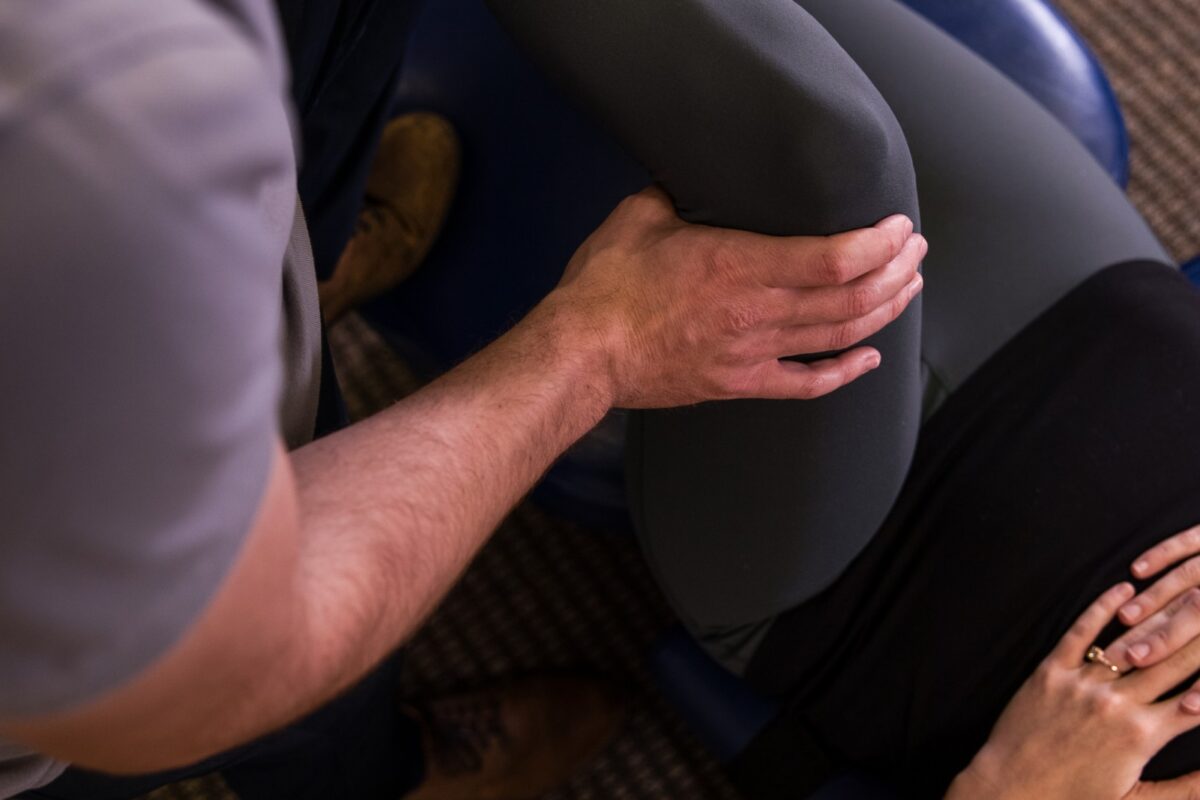
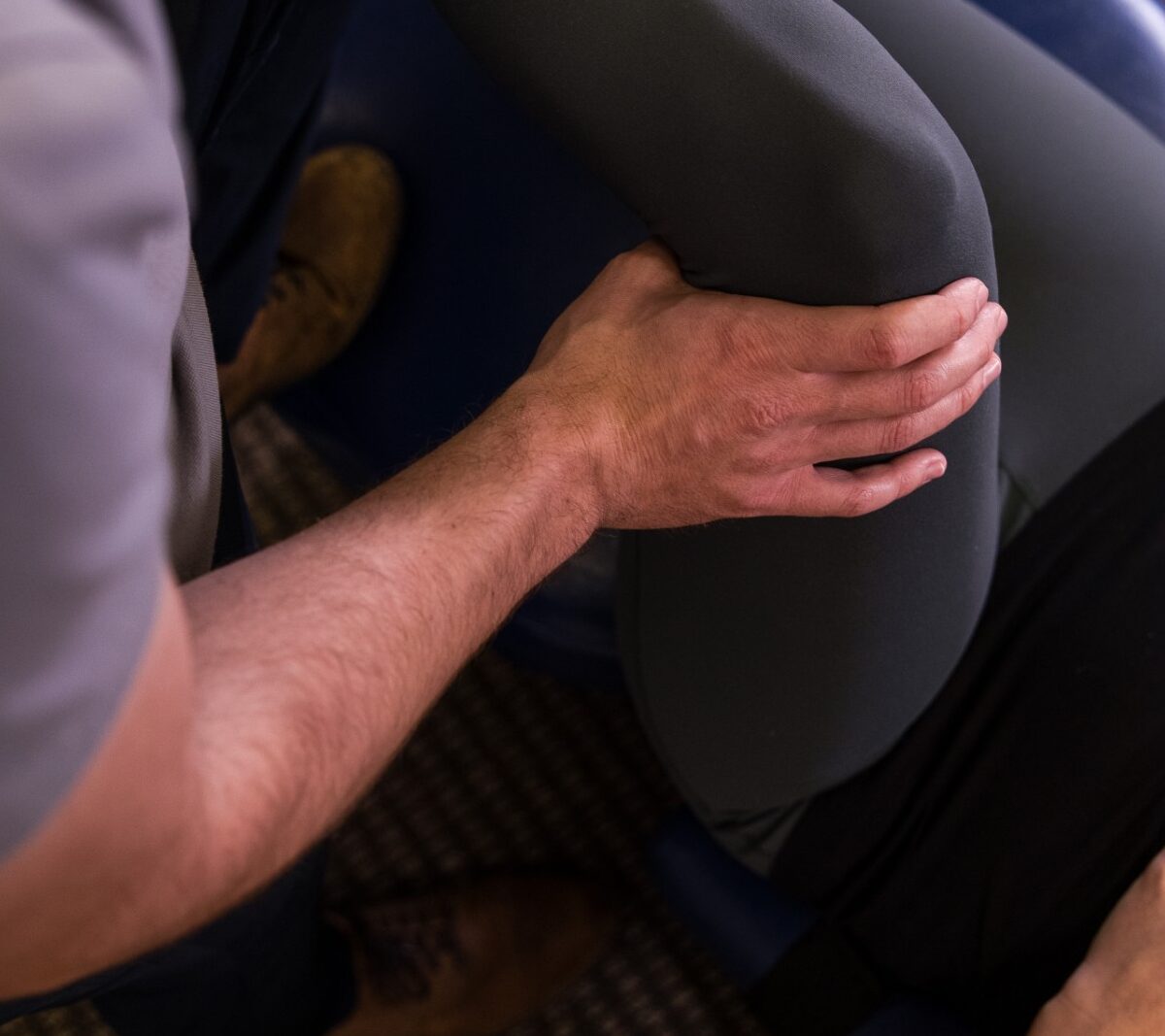
Evaluation starts with understanding your training history, symptoms, and daily activity patterns, along with a movement and strength assessment of the hip, low back, and core. We look at how you move during activities relevant to you — running, cycling, or daily movement — rather than assessing the hip in isolation.
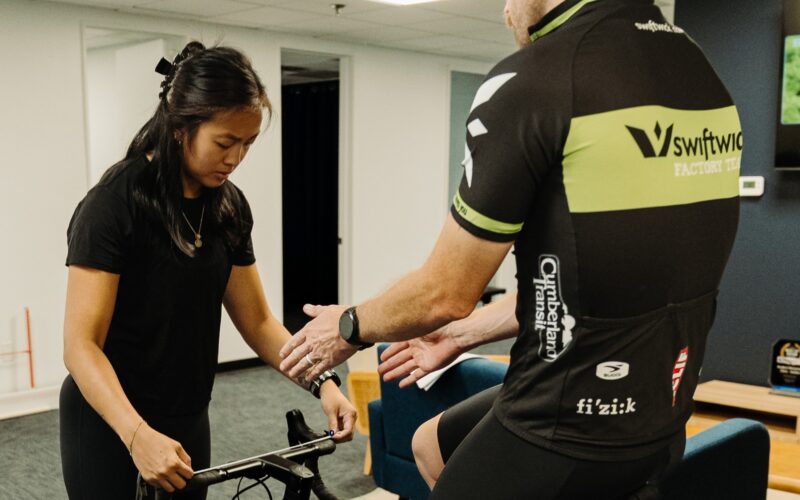
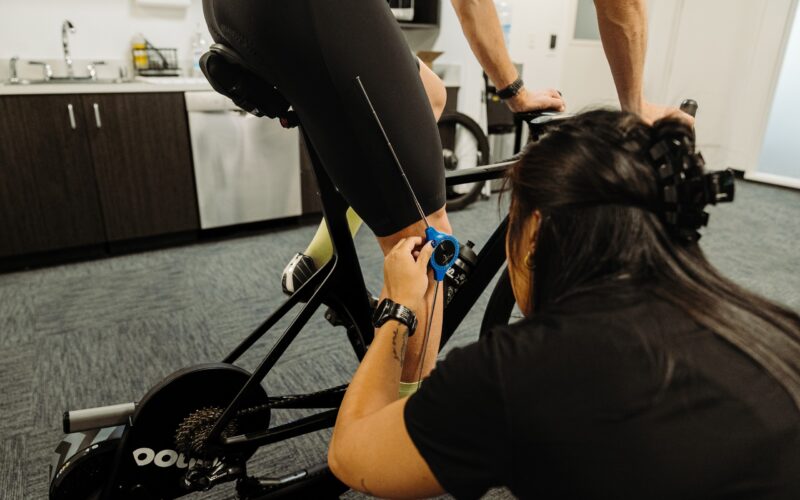
For runners and cyclists, this may include gait or movement pattern analysis to understand how mechanics are contributing to the issue. The goal is a clear picture of what’s actually driving your hip pain, not just where it hurts.
Evaluation Components
In many cases, yes, with some modification to training. We’ll help you understand what’s safe to continue and what might need adjusting while we address the underlying issue.
Hip impingement typically involves a pinching sensation deep in the hip joint with certain movements, while a hip flexor strain usually causes pain in the front of the hip that worsens with specific activities like lifting the knee. An evaluation helps determine which pattern applies to you.
Not necessarily. A thorough movement and strength assessment usually gets us further than a scan — imaging comes in when something doesn’t add up.
This depends on the cause, how long you’ve had symptoms, and how consistently you follow the plan. We’ll give you a realistic picture after your evaluation.
It’s possible, especially with rapid increases in training volume or existing mobility and strength limitations. We’ll look at your training history and movement patterns to understand what’s contributing.

An accurate evaluation beats another lap favoring one side.