From Cleared to Confident
Return-to-Sport Rehabilitation
Getting cleared to play isn't the same as being ready. We build the strength, control, and confidence to get you back safely.


Mon/Wed: 10am–6pm
Tue/Thu: 7am–3pm
(later by appointment)
Lakewood Fri: 9am–12pm
Centennial Fri: 10am–2pm
(by appointment only)
From Cleared to Confident
Getting cleared to play isn't the same as being ready. We build the strength, control, and confidence to get you back safely.
Return-to-Sport Rehabilitation is the structured phase of recovery that bridges the gap between being cleared from an injury and being truly ready to compete again.
Being pain-free isn’t the same as being ready. An athlete can be cleared by a doctor or feel good enough to return, and still be missing the strength, control, or confidence needed to handle the actual demands of their sport — which is often when reinjury happens.
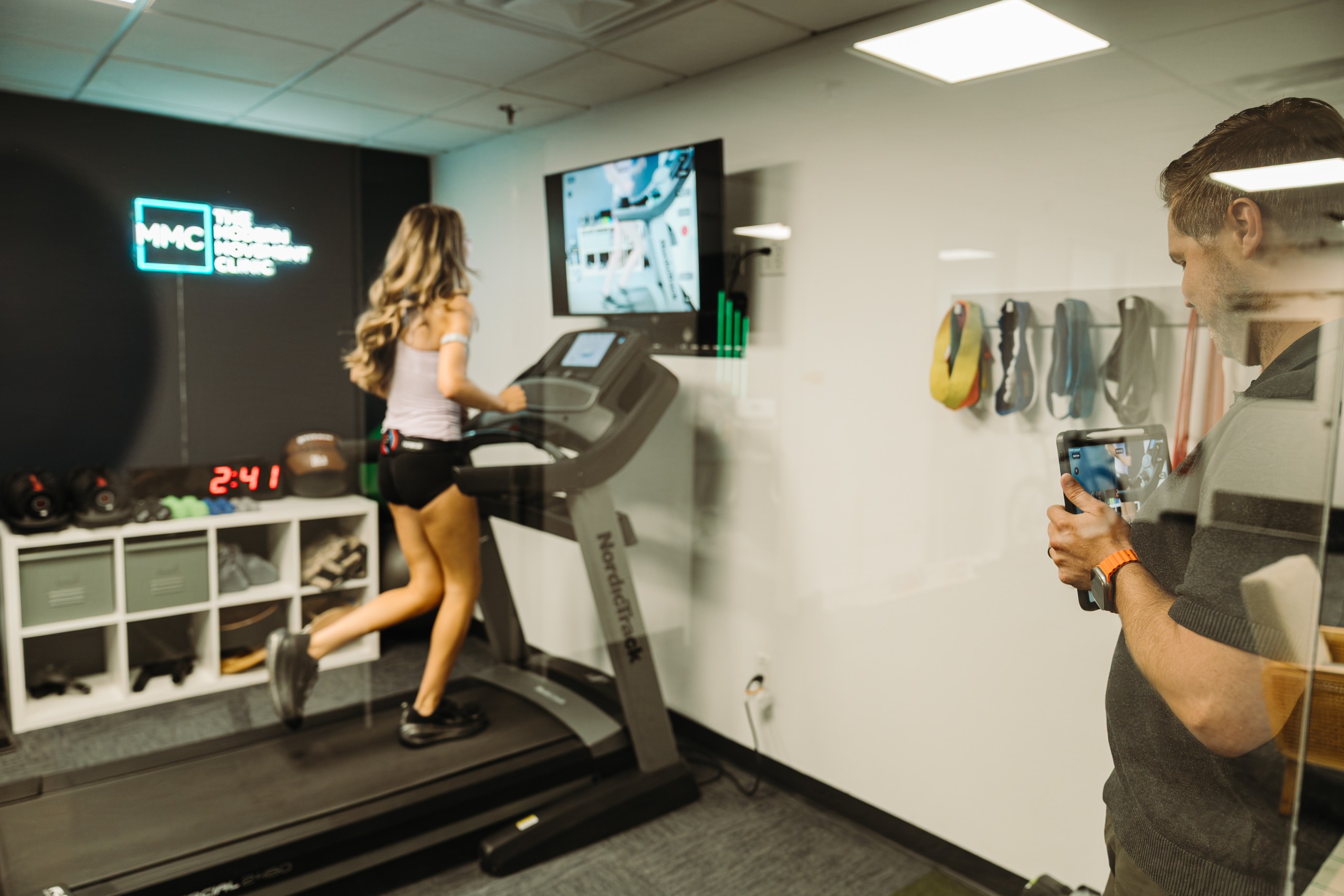
At Modern Movement Clinic, this phase focuses on rebuilding sport-specific strength, movement control, and load tolerance in a progressive, measurable way. Rather than a generic checklist, your return is guided by how your body is actually performing — not just how much time has passed since the injury.
The goal isn’t just to get you back onto the field, court, or course. It’s to make sure you can stay there.
Return-to-Sport Rehabilitation is built for athletes recovering from an injury who are approaching a return to training or competition, and want to do it with a real plan rather than guesswork.
Ideal Candidates
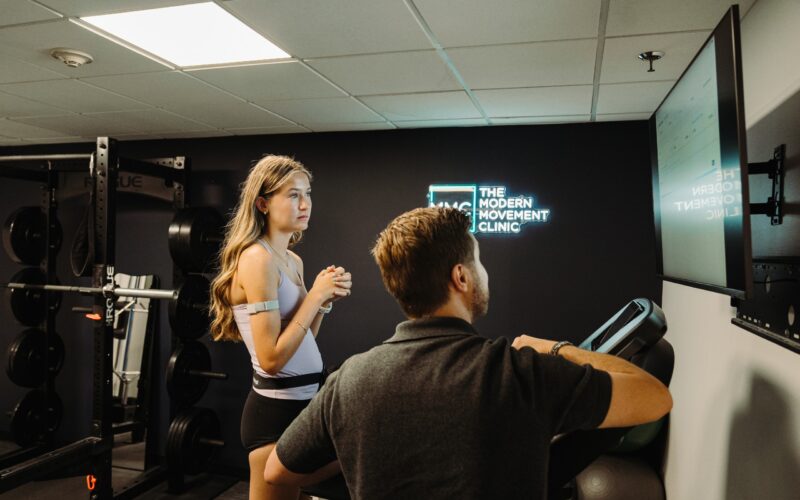
Return-to-Sport Rehabilitation starts with an assessment of where you currently stand — strength, movement control, and confidence relative to the demands of your specific sport.
From there, we build a progressive plan that moves you through stages: rebuilding foundational strength and control, layering in sport-specific movement patterns, and gradually reintroducing the intensity and unpredictability of competition.
Each stage is reassessed before moving to the next, so progression is based on how your body is actually responding — not a fixed calendar. The result is a return that’s built on readiness, not just time passed.

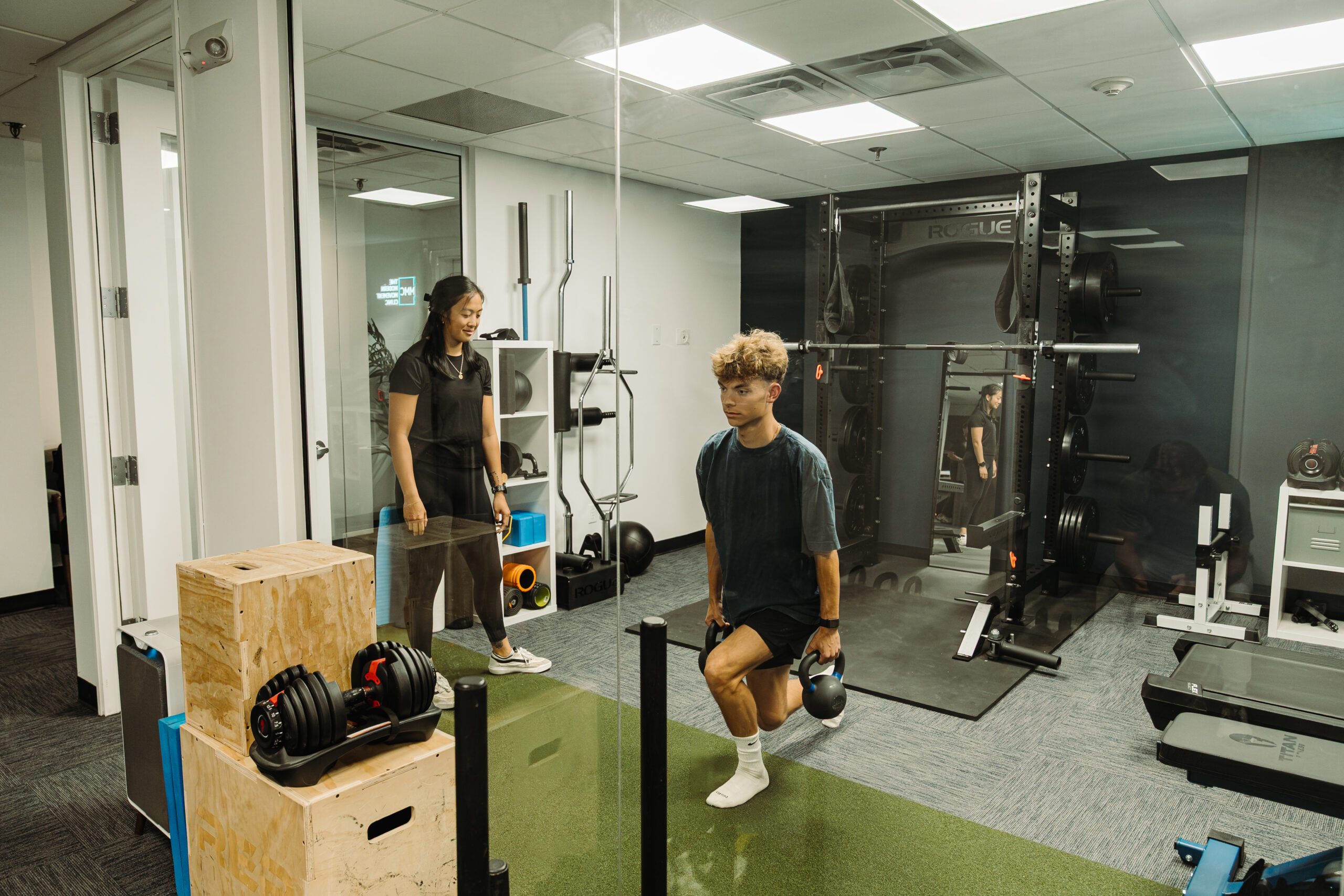
Sessions combine strength work, movement drills, and sport-specific training elements tailored to your sport and position. Expect the intensity and complexity to increase gradually as you demonstrate readiness at each stage.
Some fatigue after sessions is expected, similar to a normal training day. We monitor how your body responds across sessions to make sure progression stays appropriate for where you are.
Timelines vary significantly based on the injury and sport, but most return-to-sport plans run several weeks and are broken into clear stages, each with its own benchmarks before advancing.
When Return-to-Sport Rehabilitation Helps
Who Return-to-Sport Rehabilitation Helps
Medical clearance typically confirms the injury has healed enough to resume activity. Return-to-Sport Rehabilitation goes further, making sure you actually have the strength, control, and confidence to handle the real demands of your sport before you’re back at full intensity.
It depends heavily on the injury and your sport, but most plans run several weeks and move through clear stages, each with its own benchmarks before progressing to the next.
That’s common, and usually means a step in the progression was skipped or moved through too quickly. We’ll reassess where things stand now and rebuild a plan that closes whatever gap led to the reinjury.
We’re happy to coordinate with athletic trainers, coaches, or physicians involved in an athlete’s care when it helps create a clearer, more consistent plan.
Both. Physical readiness and confidence often lag behind each other after an injury, and we address both as part of the plan — not just the physical benchmarks.
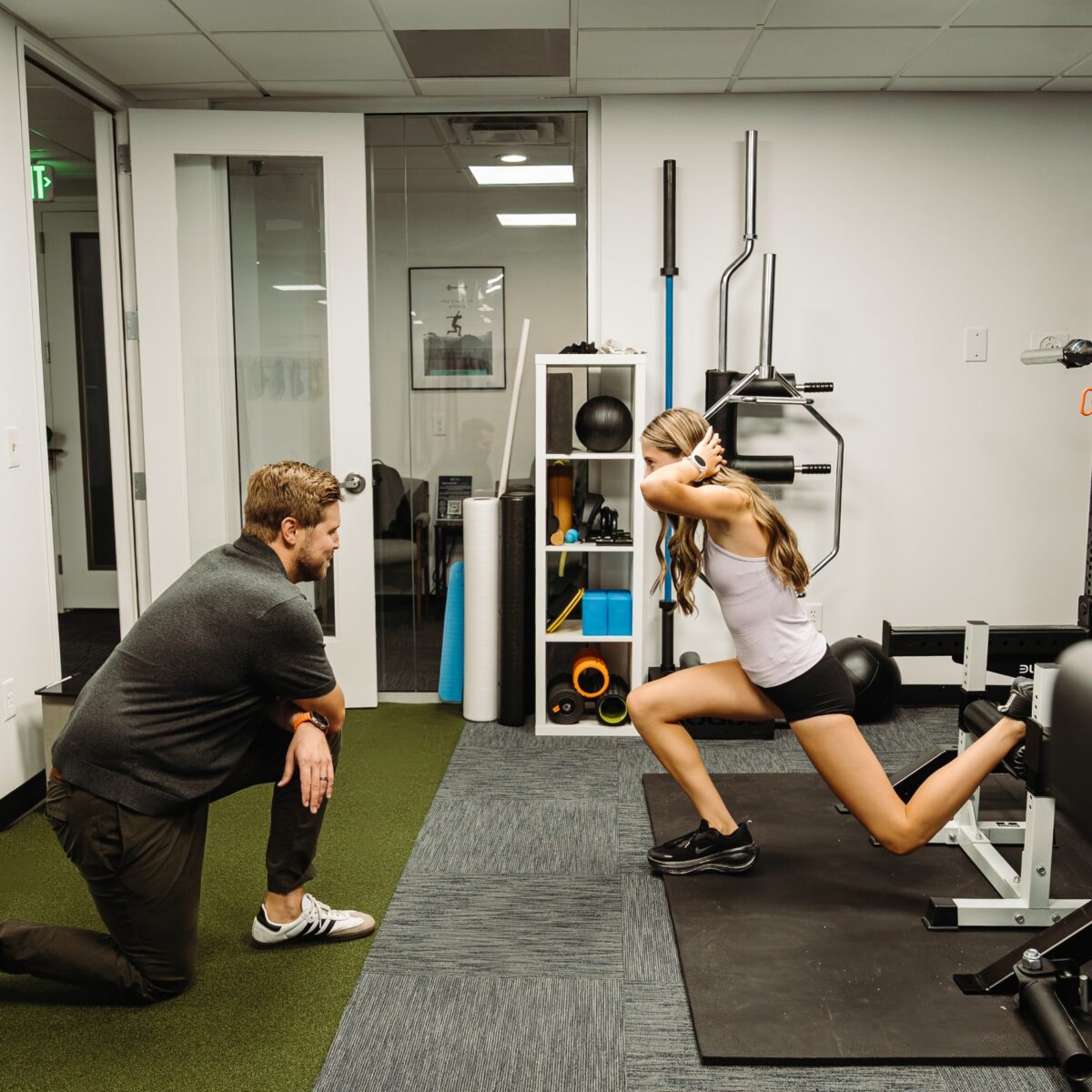
Let's build a plan that gets you back to your sport with strength and confidence intact.